Why I believe early hearing screening is so important
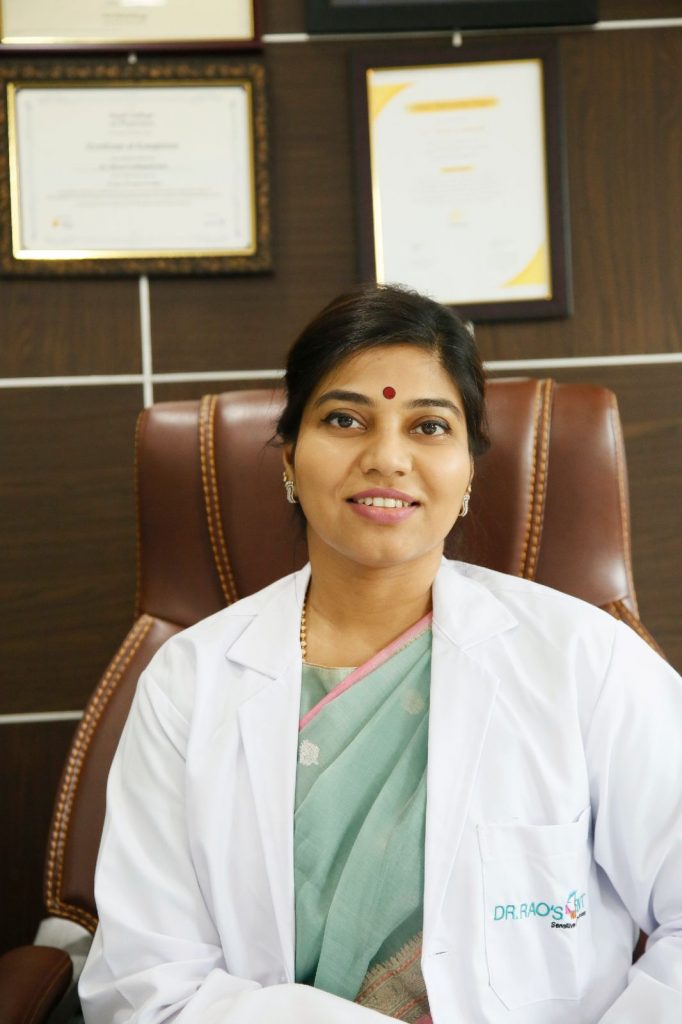
Hello, I’m Dr. Shree Rao. Over the years I’ve seen many patients – newborns, children and adults – who come in only after hearing loss has already significantly affected speech, development or quality of life. Early detection makes a world of difference. That’s why I often recommend objective hearing tests such as the OAE test and BERA test even before a person or child shows obvious signs of hearing trouble. These tests are painless and quick yet powerful enough to spot issues much earlier than waiting for symptoms. If we can catch hearing loss early we stand a much better chance of preserving hearing or intervening effectively.
What are the OAE and BERA tests – and how do they work
OAE test – checking the cochlea’s health
The OAE test (Otoacoustic Emissions test) checks whether the inner ear – more specifically the cochlea – is functioning properly. When I perform an OAE test I place a small probe with a soft-tip earphone and microphone into the ear canal. The device produces soft clicks or tones, and listens for a faint “echo” generated by the cochlea’s outer hair cells in response to that sound. If the cochlea is healthy it sends back that sound, and the test shows a “pass.” If there is damage – for example to the delicate hair cells – the echo may be weak or absent, indicating possible hearing loss.
The OAE test is quick – typically taking only a few minutes per ear – noninvasive and painless. Because of this, it is particularly useful for newborns or small children who cannot reliably respond to traditional hearing tests.
BERA test – checking the auditory nerve and brainstem pathway
While OAE focuses on the cochlea alone, the BERA test (also called ABR or Auditory Brainstem Response / Brainstem Evoked Response Audiometry) helps us check how sound travels along the auditory nerve and up to the brainstem. For this test I place small electrodes on the scalp and behind the ears, and then deliver clicking sounds through earphones. The electrodes record the tiny electrical signals generated in response to sound as they travel from the cochlea via the auditory nerve to the brainstem.
We look at specific wave patterns – typically Waves I through V – to assess whether the signals arrive with proper timing and strength. Any delay or abnormality may suggest problems in the auditory nerve or brainstem pathway. BERA can also estimate hearing thresholds even if the person cannot actively respond, which makes it highly useful for infants, young children or anyone unable to participate in conventional hearing tests.
Although the BERA test takes longer than OAE – typically 30 to 60 minutes – it gives deeper insight into hearing system integrity beyond just the cochlea.
Who should get tested – and why early detection matters
I recommend OAE and BERA screening especially for:
- Newborns and infants, ideally before discharge from hospital, so that any congenital hearing issue is caught early. Universal newborn screening programs often rely on OAE followed by BERA if needed.
- Babies or children who had risk factors – such as prematurity, low birth weight, NICU stay, hyperbilirubinemia, family history of hearing loss, or infections around birth – since these increase the risk of hearing impairment.
- Adults or older children who report hearing difficulties but cannot reliably describe what they hear. BERA helps in those cases because it does not require an active response
Early detection is vital because hearing loss – especially in infants – can delay speech, language and cognitive development. When hearing problems are identified early we can act faster – whether through closer monitoring, further diagnostic evaluation or early intervention via hearing restoration procedures.
In adults, early detection may catch subtle cochlear or neural damage caused by noise exposure, infections or other factors long before they worsen. In fact OAEs can sometimes reveal early inner ear damage even when a standard hearing test (audiogram) still seems normal.
In conclusion – take action for your hearing now
If you’ve just had a baby or you suspect hearing loss in yourself or a loved one, don’t wait and hope for it to get better. I’m Dr. Shree Rao and I strongly encourage you to get an OAE or BERA screening done early. A simple test today can help preserve hearing tomorrow.
If you feel there is anything unusual – delayed speech development in a child persistent ringing or difficulty understanding speech in noisy places or recurring ear infections – please get in touch to schedule an appointment with me. Let’s safeguard your hearing before it’s too late.