When an ear infection becomes more than “just an earache”
Hello, I’m Dr. Shree Rao. Over the years I have met many patients who assumed repeated ear infections or a “hole in the eardrum” were minor and would heal by themselves – only to later struggle with persistent hearing loss, discharge, or repeated infections. Chronic middle ear problems like long-standing infections or untreated perforations of the eardrum can damage not just the drum (tympanic membrane) but also the tiny bones (the ossicles) inside the middle ear. When that happens hearing becomes muffled, distorted, or may even disappear. That’s why in such cases, ear surgery – specifically Tympanoplasty and Ossiculoplasty (ossicular repair) – can be the pathway to restoring hearing and closing the door on chronic ear problems.
I want you to understand how these surgeries work when they are needed and why they can truly bring back hearing and quality of life.
What are Tympanoplasty and Ossicular Repair – and why they are needed
When the eardrum won’t heal on its own
Tympanoplasty is a surgical procedure to repair a eardrum (tympanic membrane) that has a hole (perforation), or has been damaged by infection or trauma. The goal is to rebuild a healthy, intact eardrum. A healthy eardrum vibrates in response to sound waves. These vibrations are essential for the chain of sound conduction inside the middle ear. When a perforation persists, sound transmission becomes inefficient and recurrent infections become more likely.
Often the surgeon uses a small graft – frequently taken from the patient’s own tissue (for example temporalis fascia or tragal cartilage) – to patch the perforation and reestablish a functional tympanic membrane.
When the middle ear bones are damaged or eroded
Sometimes the disease (for example chronic infection or long-standing middle-ear problems) not only damages the eardrum but also affects the ossicular chain – the three tiny bones (malleus, incus, stapes) that transmit sound from the eardrum to the inner ear.
When the ossicles are damaged, malformed, eroded, or discontinuous, simply fixing the eardrum may not restore hearing properly. That is where ossiculoplasty comes in. Ossiculoplasty repairs or reconstructs the ossicular chain (sometimes replacing lost bones with prosthetic implants or repositioning existing ones) to reestablish the mechanical sound conduction pathway.
In many cases tympanoplasty and ossicular repair are done together so both the eardrum and the ossicular chain are restored – giving the best chance for hearing recovery and ear health.
What surgery and recovery look like – and what hearing restoration means
The surgical process and healing
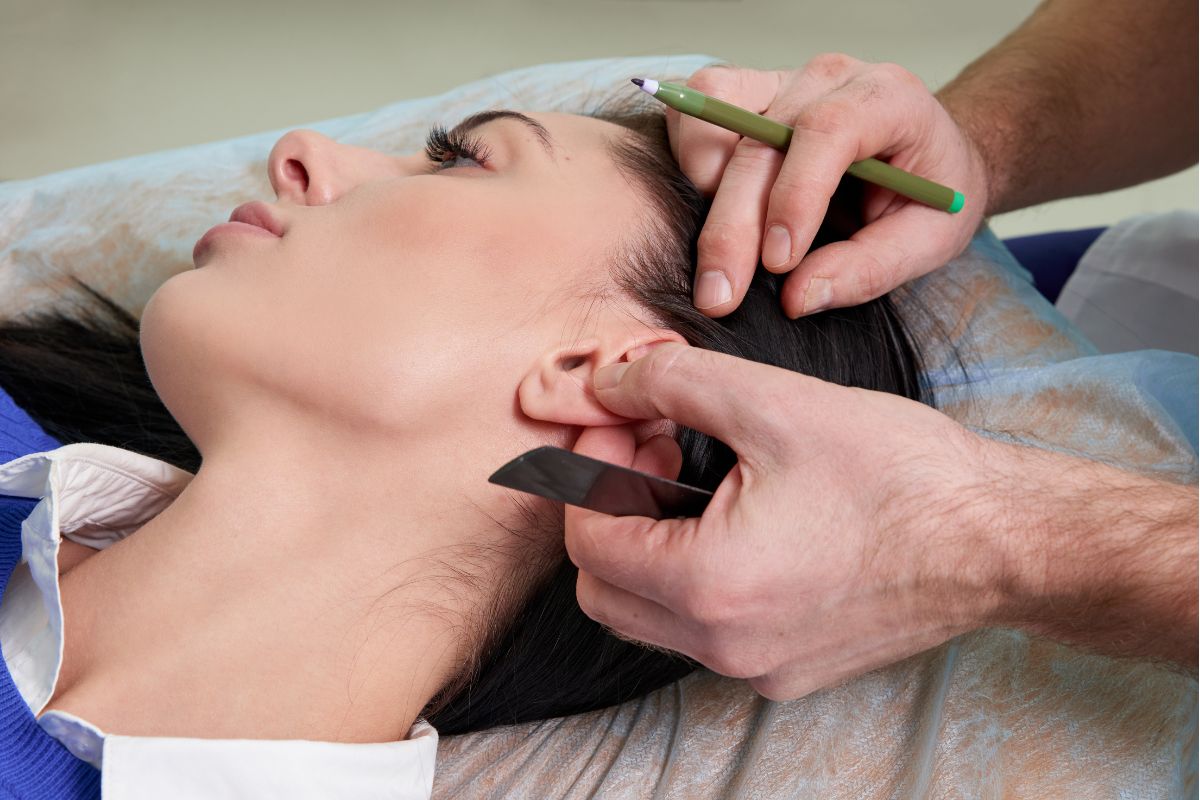
Depending on the damage, surgery may involve a small incision behind the ear or via the ear canal. A graft is used to repair the eardrum and if needed, the ossicular chain is reconstructed using either existing bones or prosthetic materials.
Before surgery, it is important that any active infection is treated and the middle ear is “dry” for some time – this improves chances of healing and success.
After surgery the ear is packed, and patients must avoid water entering the ear, strenuous activity, heavy lifting and other pressure-changing activities (like blowing nose forcefully) until the graft heals.
Full healing typically takes a few weeks. Hearing may start to improve soon after, but final hearing results are assessed after the ear has healed – usually around 1.5 to 3 months later.
What patients feel – and why this can change lives
For many of my patients who had chronic ear discharge, muffled hearing or repeated infections, successful surgery means more than just hearing better. It often means relief from recurring earaches, freedom from discharge or drainage, fewer infections, and a return to normal hearing – allowing them to engage better in conversations, work, learning or simple daily life.
Especially for children or people who avoided social interaction due to hearing difficulties, restoring hearing can dramatically improve confidence, speech, communication and overall quality of life.
Moreover modern ossicular reconstruction techniques – whether using autografts or carefully designed prosthetic implants – aim to mimic natural bone conduction so that sound transmission feels as natural as possible despite previous damage.
Surgeries like tympanoplasty combined with ossiculoplasty have high success rates. Many ears heal well, perforations close and hearing improves significantly.
Could surgery be the answer for your ear problem?
If you or a loved one have had repeated ear infections, a persistent hole in the eardrum, continuous ear discharge, muffled hearing, difficulty understanding speech, or frequent re-infections – don’t ignore it and hope it gets better on its own.
I’m Dr. Shree Rao and I believe timely intervention through tympanoplasty and/or ossicular repair can restore hearing and transform your ear health.
If you suspect middle ear problems, chronic otitis media, or hearing loss after ear disease – please get in touch to schedule a consultation with me. Let’s discuss whether ear surgery could help you regain hearing and peace of mind.