
Deaf Free India Podcast with Dr. Shree Rao by Dr. Pal
what are the precautions like an IT
worker should do to prevent noise indued
hearing loss with headphones three
things they need to remember for sure
number one following the 6060 rule keep
the volume on your gadget on your
mobile number two creating an optimal
workp space that's very very important
which one do you prefer over thee
headphones or in thee headphones I
prefer do you see a lot of patients with
increased hearing loss these days
compared to before
many in elderly people the other big
thing is hypertension and diabetes can
lead to hearing GLS right yes sir
protection device your plugs your
Defenders they passively block and at
the same time they have this active
noise cancelling feature also in case if
you want to use them hearing loss only
affects elderly people it's a myth it
affects everybody everybody the hearing
which is gone the precious hair cells
that are gone once cannot be restore
hello guys this is Dr pal manikam
gastroenterologist focused on your gut
health welcome to another episode of gut
feeling with Dr pal in this episode
we're talking with Dr Shri she's one of
the reputed cckar implant surgeons that
are only a handful of surgeons in India
I had this opportunity of talking to her
about the most possible epidemic in
India right now which is noise induced
hearing loss noise pollution has been
going on throughout with the Advent of
newer headphones work from home culture
and a lot of you know computer meetings
and everything we being exposed to a lot
more debl than our years can handle so
she went through how we can identify
what are the treatment options available
how we can prevent it with simple simple
steps and more importantly she is such a
good soul that she works at Dr Ra
hospital at hyderbad where they are
placing implants in people who
cannot afford this and she's doing as a
wonderful cause for a part of a
non-governmental organization as well I
had a blast in this episode I'm sure you
will learn similar to how I did let's
dive deep into it so welcome Dr Shri uh
you are one of the most reputed
implant surgeon I'm so happy to have you
in my podcast um I uh really want to
drill down on this condition called
noise induced hearing loss which is I'm
going to explain that to my audience in
uh in a brief as well so since Co
everybody is on earphones
airport you name it okay and then you
know they I don't think they understand
the purpose of the zoom meet but they
will make sure that they mute the zoom
call so many people are on the earphones
and recently uh I came to know that um
you know Alka yagnik yes sir right and
then she raised a beautiful awareness
that you know uh noise induced hearing
loss of the frequent use of headphones
is one of the reasons as well um so tell
me why this is happening and tell walk
us through why frequent use of
headphones might be a
problem first things first sir noise in
used hearing loss as the name itself
suggest it's because of prolonged
exposure to noise which leads to hearing
loss this is how we tell it and why is
this exactly happening let me tell you
how actually the hearing functions our
ear is divided into three parts outer
middle and inner sound travels from the
external ear and it causes vibrations
and these
vibrations set the
eardrum we call it as Sanic membrane
cause vibrations and this vibrations are
transfer to the middle ear in the middle
ear they have some tiny bones three
bones from the middle ear because of the
vibration of the ear bones they travel
into the inner ear in the inner ear we
have a major organ called the engine the
ccka
cocka this ccka it has very tiny hair
cells and these hair cells the function
of this hair cells is to convert this
sound waves the mechanical vibrations
into electrical impulses and these
electrical impulses are sent to the
cckar nerve or the hearing nerve
auditory nerve and they are sent to the
brain and there it is perceived as
speech now what happens is noise induced
hearing cles let me let me boil it down
a little bit so that everybody can
understand so somebody is
speaking and that sound is going into
the ear or canal and then it goes inside
this CA which is the engine deep in the
ear yes sir which is the inner part of
the Year yes sir we call that as an
inner year inner okay so that sound
impulses what does this coar engine do
it converts that into an electrical imp
electrical impulses and it gets to your
brain yes sir through the nerve through
the nerve it's like a wiring through the
wiring through the wiring it is
conducted into the brain inside the
brain it is processed as peach peach so
somebody is talking to you yes yes so
then the brain interprets as a language
yes that you know or you may not yes
okay so what happens in this noise
induced hearing loss there is continuous
exposure of
sound so continuously the ear bones are
vibrating and continuously yeah ear drum
m e drum vibrating and from eardrum
vibrating the bones are also moving MH
and from there the hair cells as I told
you within the engine it's continuously
acting so they come to a stage where
they no longer work it's like using a
muzzle every day to train and all of a
sudden gives up so with this the sound
waves they are continuously triggering
the hair cells so they go into a state
of metabolic exhaustion and oxidative
stress due to prolonged exposure to
sounds causing the death of the hair
cells so hair cells are so tiny tetiny
right exactly sir and even the engine
itself is so small right yes sir what is
the size of it in general I mean if you
want to compare like a size of a like a
small button or of a golf ball extremely
tiny extremely tiny extremely tiny we
have to literally use a microscope to
see the turns of it it's in the form of
a snail snail
and then I know that there are multiple
semicircular canals yes yes within the
inner ear it has a cocka the anterior
part which is responsible for our
hearing and the posterior part has
semicircular can like the lord of rings
correct correct that is responsible for
balance so our ear is not just
responsible for hearing but also for the
balance I being a hearing restoration
surgeon my focus will be more on this
cocka the front part because the cells
once they are when they are died there
is no way that we going to get back no
how many cells will be there like
Millions sir millions of cells there
will be almost uh 3,000 to 4,000 of
inner hair cells and almost 12,000 to
13,000 of outer hair cells only these
many that's all it's like diamond
precious diamonds I see wow so everybody
is born with it yes sir everybody which
is more important inner or outer I mean
given an
option obviously the engine sir because
some people they do not have any ear at
all we call it atricia they don't have
but still they'll be able to hear
because they are hearing through the
engine so that's a very important point
atricia is few babies will not have year
at all yes when they are born they will
be born year less yes but in spite of
which they'll be able to hear correct
when the inner ear the hearing organ
develops correct there is a fascinating
thing which I can tell you because most
I think most of the Indians do know
about it in
Mahabharata abhimanu when he was in his
mother's wom subadra room he completely
overheard whatever Arjuna was narrating
about the Padma vuam to subadra even in
spite of subadra Dei she
slept in spite of which he was able to
hear inside the O and that is true
because the entire hearing organ the
cocka the engine hair cells everything
it develops within fifth month of
pregnancy it's not that after the baby
is born your hands are elongating your
legs are growing your neck is growing
it's not the size of the inner ear it
remains constant at the time of birth
till the time of death it's only the
hair cells as age progresses or because
of prolonged exposure to noise they are
dying but but they remain the same I
mean from the time of birth they remain
the same wow wow I still remember like
uh the abim menu story uh I used to tell
my uh kid when my wife was pregnant uh I
used to talk about gut health
intermittent fasting and that's why now
he is not talking to me at
all you're boring already he knows
everything he know everything but I
strongly believe that's true correct
true sir so people uh uh even as a baby
inside the
uterus they can hear what you talk
exactly that's why they recognize mom's
wise father's voice more and that's why
when they startle or cry loudly whenever
they hear to these voices which are
already familiar with them they tend to
calm down this is because they start
hearing as soon as they are in the
mother's Zoom from fifth month wow wow
you know the way that you are explaining
I could see how you are passionate about
this medicine thing I mean your your
your expertise but also at the same time
it kind of raises an alarm that we only
have 4,000
cells totally 12,000 plus 3,000 4,000
correct correct so somewhere around
177,000 cells 17,000 cells yes but the
more important thing the engine one yes
which is 3 to
4,000 so that raises an awareness where
you know we need to preserve it as much
as possible exactly so for example I'll
take it myself you know since Co I I
used to do like Zoom video consultations
for my patients in California where I
used to use my headphones yes so if I
understand right so the electronic
impulses take carry from the headphones
all the way into the O and all reach
this tiny teeny little thing at a
particular frequency correct what are
the precautions like an IT worker should
do to prevent noise induced hearing loss
with headphones for all the professional
headphone users and people who are
working remotely for all the software
engineers and as you it people three
things they need to remember for sure
number one following the 6060
rule keep the volume on your gadget on
your mobile to only 60% of the maximum
volume and limit it to only 60 minutes
and immediately after that take a break
for about 5 to 10 minutes this way we
can avoid noise and used hearing loss
number two creating an optimal workspace
that's very very important
make sure that you do not sit near a
window where there is so much of noise
or a door where there is so much of
noise and try to incorporate certain
curtains or rugs or carpets to absorb
the sound to absorb the sound creating
this optimal work space is very
important and most importantly number
three invest in a good efficient
headphones I would say active noise
cancelling
headphones and I prefer using of telling
them to use over the year rather than in
the year
headphones so which one do you prefer
over thee headphones or in thee
headphones I prefer over thee headphones
because there are very high chances when
you start using in thee headphones some
people may be having psorasis or eczema
dry skin and some of them may be having
wax and when you remove that in fact
when you start using any airpods you can
see after a couple of days wax getting
stuck there and unknowing those
microphones they get blocked so you tend
to increase the volume to compensate it
that's why we say especially I being a
surgeon after surgery they're not
supposed to use much of this one for
about 3 months and once they start using
this over the year they enjoy that I see
it snuggly fits around and the natural
way of hearing will be maintained wow so
you said 60 60 R like 60% of the maximum
volume and you listen for 60 seconds to
60 Minutes 60 Minutes 60 minutes
all right so you said 6060 rule which is
you 60% of the maximum volume up to 60
minutes and then you take a break for 5
10 minutes yes sir but how is it
practically
possible the reason is people are just
like blasting their ears with that's how
the music is as well correct exactly but
the hearing which is gone the precious
hair cells that are gone once cannot be
restored we need to remember that it's
like a precious diamond and we you're
losing at least diamonds we can buy but
this one later if you increase the
volume to more than normal also you'll
not be able to hear it's like if you
keep a louds speaker permanently in your
ear using a hearing aid rather than that
prevention is much much better wow I'm
going to be very honest with you you
know I grew up here I went to us uh for
my uh higher education um when the first
thing that I couldn't even adapt to the
US culture is the complete silence
there is no fan okay and there is no
honk car honks nothing
outside I thought I was in a haunted
house it looked very silent very silent
right so I'm there for like 15 16 years
now so now you know I'm traveling
frequently back and forth to India and
Us in India when I'm coming here the
roadside noise and in general the
utility of and other vehicles and other
things what is your take on noise
pollution here in India I can say our
country India is already in a kind of
hearing Health crisis because we are
constantly getting exposed to sounds
over 85 DB now let me put it this
way as per World Health Organization wh
the safe per permissible limits of
hearing is hearing about 85 DB of sound
until 8 hours in a day so what this 85
DBS corresponds
to the normal conversation that we have
in this silent environment will be
somewhere around 60 DB sound is measured
in
decb so this is 60 DB this is very
normal very good Pleasant for our ears
the sound that we are exposed in traffic
especially loud traffic between 85 to 90
and the sounds for a haird dryer which
every women uses nowadays is about 90 DB
M and the sound that corresponds to a
mixer blender every Homemaker uses it
that is also 90 DBS and the sounds with
that
we hear at concerts or loud IPL match
huh that hits over 100 DB above
100 and that amount of sound 100 or 110
the safe time of exposure for that is
only 15
minutes that's why it is not possible
for us practically to STI to stick to
this 85 DBS for about 8 hours in a
day you tend to put a blow dryer every
day correct you go for a saloon you get
your professional hair styling done you
have fruit juice every day with the help
of a blender all these are the loud
sounds so how to actually cut it down
now here comes the role of a three decb
rule so you're say so how to prevent
this hearing loss is that what you're
saying yes sir run a day in this hectic
noisy pollution areas so in the midst of
this active noise pollution what are the
steps that we can take to prevent this
loud exposure to
us here comes the 3 dbel rule what this
states that for every 3 D
increase in the intensity of sound the
safe time of exposure of sound is
hared for an 85 DB sound
the safe time of exposure limit is 8
hours and for 88 DB of sound it is only
4 hours for 91 DB it is only 2 hours and
imagine in concerts 100 DB the safe time
of exposure is only 15 minutes oh my God
so understanding this
crucial relationship between the sound
intensity and the safe time of exposure
is very important especially for people
of this generation where they are
exposed to noisy pollution every day do
you see a lot of patients with increased
hearing loss these days compared to
before many many and most of them you'll
be surprised to know are belonging to
the teenage group and young adults wow
what is the youngest age that you have
seen what is the youngest age that you
might have seen 12 years 12 years with
noise induced hearing loss wow 12 and
even they don't don't uh they don't even
have any symptoms they don't even tell
they say that I'm I'm hearing very
normally there's no problem with my
hearing the only complaint they say that
I can see something I can hear something
buzzing on and off in my ear that's all
and that ringing sound yes yes and that
to those kids they do not know that this
is not normal so their parents they just
get it for a hearing check and that is
when they come to know
how do the parents identify in that
12-year-old kid they complain some
ringing sounds ringing sounds very often
some mosquito is there inside my ear it
it is ringing um they usually complain
of some foreign body something is stuck
here it is ringing continuously see and
Parents try to look into that there'll
be nothing that is when they get okay
there should be some wax that's why we
got our child and we say no there is no
wax let us go for a hearing check and
it'll be a very classic dip in the
audiogram oh my god wow I mean the the
information that you're telling me is
like it's mind mind-blowing uh because
let's say I'm a average user I'm an
average headphones user
so easily anybody in an active work
environment you'll exposed to get 85 DBS
easily for 8 hours 84 DBS is very
minimal I mean not minimal it's a common
exposure you're talking about correct
yes sir yes sir so you're saying just me
and you talking itself around 65 70 here
this is a very quiet room 60 60 H 60 60
60 quiet room yes and uh so let's say
I'm in an active work for 8 hours and I
come back and then usually I do my in
the year airports and then go to the gym
and then
workout and the more louder it is the
better the workout is my suspicion
that's what many people do yes sir many
people just completely uh Max the
volume so then you are saying that when
you increase a decel then the time of
exposure should decrease so I have I
have also used maximal volume before
which means that I should not use this
more than like 15 20 minutes exactly sir
wow exactly in case if you are you know
if you really want to hit that dopamine
if you want to really work out that way
then you cut down the sounds that you
are hearing at the end of the day at the
end of the day we come home we chill
with our kids and they tend to increase
the volume in the TV and and we doctors
especially we think we are the safe
people I I definitely get exposed to
nearly 85
DB I very clearly know that because I
stay most of the time in the OT there'll
be
hedback there'll be laminar flow
there'll be suction machines correct
everything produces noise corre so I'm
literally placing myself there in that
zone over the top of it the drills that
I use it definitely corresponds to more
than 85 got it so how do we all the
professional people take care by
understanding this relationship
relationship wow so I have completely
used my safe amount of exposure there so
I have to cut down the sounds and there
will be some few unavoidable
circumstances as well where you know for
example there's a Temple function
outside and there's a huge loudspeaker
and the second example is you know
during
diali um and I'm I'm proud that actually
Tamil NAD government has imposed a ban
that you should not have firecrackers
after 700 p.m. I guess yes sir yes sir
does same in your state as well no sir
it's not uh way don't worry about it's
only impos but nobody is
practicing but all those firecrackers
that will be easily 100 Deb correct m
more than 100 110
120 but all these are unavoidable
circumstances how can we quit the family
functions how can we quit our own
festivals correct correct so there are
certain protection rules that we need to
follow so that we come under that safe
zone right if we follow this we'll be in
the safe zone or else we'll be having a
loud speaker at the end wow wow so let's
say that you know I hear hearing sound I
come to you what is the first step that
you do how do you diagnose that I have
hearing
loss when a person comes with hearing
loss or when when a person comes with
ringing sounds so let's say I I as a
patient come to Dr Ra's hospital and
then I say that I have a ringing sound
and then you assume you're suspecting
hearing loss so what do you do for the
first thing in in dr's hospital so when
a person visits to us complaining of
hearing law complaining of ringing
sounds in the ear these are the most
common things that we see every day in
our common practice we first do we first
take a very brief history whether there
was some noise
exposure is so you ask them whether you
use
headphones I'm asking you yes sir we
asked them or sometimes they would have
gone to the concert the previous day or
they would have gone to a birthday event
or some sports event so that's why
history tells us almost 50 to 60% of the
rough cost so tell me an interesting
case that you've seen with this kind of
an
history there are many interesting cases
but the one that is very closest uh to
my heart very
recently um is a adult he's uh 42 years
old he just had a history of
dingu that's all and how do we normally
treat it just we ask them to take
certain medications get admitted in a
hospital Dy fever check the platelets
everything was okay at the time when he
was about to get
discharged he they said that the values
were not there suddenly they were not
good that's why he was placed there and
suddenly he went into a syndrome called
dangu hemorragic shock syndrome and he
was placed on a ventilator all this was
completely medical and nothing related
to hearing right or end and all of a
sudden when he recovered from that
ventilator when he came back he realized
that both his ears were not
working he completely lost his hearing
and he is the one he's the spine of the
family he has his kids he took loans
many loans to pay and and suddenly he's
not hearing he lost his
job and he waited waited for a couple of
days and then he consulted an ENT
surgeon they gave hearing aids but which
were of no use and then he understood
that there is no way that I'm going to
get this back he Comm he wanted to
commit suicide and he committed suicide
twice for
this what happens with this denu is we
have a limited window of opportunity
where we need to intervene immediately
or else it lands up into acific the
entire inner year that was happening
inside him so many people were not even
attempting to go ahead with surgical
procedure because it's already set set
in
deification and that is when he visited
us I took him up for
surgery he was crying all the time
before surgery no I lost uh my hearing
now there is no one who is going to give
and the hearing losses because of the
Deni fever itself exactly so Deni can
cause menitis infections yes infection
of the brain so finally we did an
implant surgery and immediately at the
time of switch on he was extremely happy
extremely
happy that you know this is I can say
it's kind of bramastra these kind of
surgeries colear implants brahmastram on
the profound hearing loss where people
cannot even use a hearing aid they
losing their hearing completely wow
there are many kids that I do but this
person is the bread maker of the family
he is the who is the spine of the family
and without him earning nothing will be
there so this has a very profound impact
on the family but it is completely
hidden at least some physical
deformities like uh loss of hand or
limbs blindness they can be seen but
this is completely hidden and if it's
not understanding they call you dumb
fellow you do not understand but they
have to understand that he's deaf that's
why he's not able to
hear so this is uh one that is uh very
you know very closest to my heart of
course there are many kids who lost
their hearing over a period of time as I
told you earlier where there was a child
blunt trauma correct correct correct
correct so we talked about hearing it we
talked about implant anything else
that can be done there is something
called gene therapy which is quite
fascinating now gene therapy is an
advanced technique where doctors or
scientists are trying to fix or repair
the faulty genes that are responsible to
cause diseases so we are targeting the
diseases treatment of diseases at the
molecular level itself before they
manifest before they produce any
symptoms it's just very simply to put
this how the software Engineers they try
to fix a bug m or a glitch in the
software program to run a computer
smoothly similarly scientists are trying
to fix the glitches in the genes so that
the entire human body works normally and
this gene therapy was very recently
given in a uh toddler from UK in an
ear when she was born completely deaf
and after this infusion of gene therapy
giving in her ear she's able to here
absolutely normal wow wow available in
India it's still in the three phase
three of the clinical trials maybe a
decade or two decades it takes but it's
active research going yes yes so I want
to know about that coar implant a
littleit more because I know that there
are only like single digit surgeons are
doing this and you're one of them
actually our country should be very
proud to have surgeons like you because
this is a very very Niche area and uh I
want you to explain to your audience
what is clear implant
in terms of some figurative devices I
know it's a very very tiny teeny thing
previously for severe hearing loss we
had this option of using a hearing aid a
big device which has a microphone and a
pro and it has a speaker kind of thing
so that it just amplifies it's a
loudspeaker kind of thing but the
problem came where there is something
called profound hearing loss where the
engine the ccka that I was was talking
about there is no residual hearing at
all no hair cells which are there so
there is no way that this hearing it
started
working and for them this cckar implant
is a device it's like a brahmastram on
deaf what we call profoundly deaf
individuals it has two parts the
external part and an internal part
internal part is the part that we as
colear implant surgeons we place it
beneath the scal and Electrode array it
has an array electrode array which will
be threaded into the inner ear wow it's
like a wire that we are threading in the
inner
ear and the external part whatever it
has it has a microphone to grab the
sounds and a processor why a processor
is required here why can't just an
amplification device like hearing a work
there because
in normal ccka as I said earlier ccka
has hair cells these hair cells they
transform this sound waves into
electrical impulses that is a processing
unit we already have an inbuilt my
wonderful natural Processing Unit now
that is not there for this profoundly
deaf so scientists have invented in such
a way that there is a processing unit
which is outside so sound waves whatever
are being trapped are being converted
into electrical impulses within the
processing unit the speech processor and
from there I already placed inside a
device surgically from there the
impulses electrical impulses are
conducted into the ccka and there the
electrodes which I threaded into the
inner ear the wire that I threaded
inside it directly stimulates the
hearing nerve so literally we are
bypassing all the Parts in the we are
even bypassing the engine that is a
processing unit inside and directly into
the M it's like communicating directly
with your brain brain wow wow and the
success rate is tremendous tremendous
wow and what will be the first reaction
of a patient who can hear after a long
time this is mostly done in kids who are
completely born deaf so what will be the
first reaction of a child as soon as as
the baby is born he starts crying the
same thing will be there when we switch
on the implant they start hearing sounds
and they start
crying wow that I think there are very
few moments where parents also cry or
they feel happy when their kids are
crying one such moment is when we switch
on the implant kids will be crying but
this parents they have that Ananda
bashal they have that happiness oh my
God my kid is hearing for the first time
in his life
Wow and and of course the satisfaction
that you have from this
immense extraordinary extraordinary
right and so you're telling me that
anybody anyone with a hearing loss can
hear back again with this cular implant
there are certain criteria where we can
do implants but any age group from a
newborn baby to an elderly age group
there is no Edge restriction as I told
you the ccka develops as soon as the
inner ear it develops within the
mother's womb itself so there is no way
that is increasing or decreasing in size
so it's
Universal well it's a breakthrough
Research In Medical Practice exactly sir
how long this research has been how long
the practice has been going on almost
since 1980s 1980s 1980s they have
started it but um it was in 2000s when
2000 and after 20 2006 2010 that is when
it picked up its space they were slowly
transforming how the processor is going
to work getting a natural hearing they
Incorporated AI into that so that now in
the noisy in a sound normal this kind of
environment they can hear impulses but
once they get into the school there'll
be multiple noises which are there so to
incorporate that they have Incorporated
AI in the speech processor so it
immediately
transforms that wow that way wow it's
mind-blowing mindblowing and thank you
so much for doing this wonderful Noble
thing and um more important we talked
about the kids so tell me something
about deafness in kids and in
pons as I told you earlier
surprisingly 70 to
80% of the causes of newborn hearing
loss will be
genetic it is there is a very
significant role of genetics there and
genetic is you know if the uh family
history of deafness yes when there is a
consanguinous marriage so consanguinous
marriages or marriage between first
degree relatives which you are marrying
between uh uh sister's daughter or with
Mama that relative uh that angle where
there is increased risk of I know that
there's increased risk of both
complications so deafness is one of them
yes it's also one of them
so this consanguinous marriages as I
told you and a family history of hearing
loss they are all the highrisk category
and as I told you earlier once again
because within the pregnancy itself
fifth month of pregnancy itself the ca
is developing so any kind of infections
until fifth month or sixth month of
pregnancy the inner ear is not going to
develop maternal infections like torch
infections toxoplasmosis rubella
cytomegalo virus herpes in case if mom
is getting
the inner ear within the child is not
developing so that is also one of CA any
infection in the mother during pregnancy
during pregnancy maternal infections and
that's the reason we ask them to have a
very good healthy pregnancy and in case
if there is healthy pregnancy H but
immediately after the birth of the child
child is not crying because of hypoxia
hypoxia is aw state where enough amount
of oxygen is not delivered to the brain
and the hair hearing organ for few
minutes and that also causes hearing
loss and in case all the are okay but
child develops jaundice neonatal
jaundice parents very clearly say
everything was okay but child had
jaundice that's why he was kept in NIU
for one or two days days two days after
that everything is okay but that is a
triggering factor because jaes when the
Bel Rubin levels are high they cross the
blood brain barrier and that affects the
hearing organ so jaundice is the one
apart from genetics the ones which I
have seen for mother who had healthy
pregnancy non-c consanguinous marriage
jaundice is the leading cause for so as
as a mother how do we identify that
possible defers in M this is very very
important for all the expecting mothers
and parents to be because in India a
newborn here in screening is not
happening newborn hearing screening is
happening in all the developed countries
but it's not happening in our nation
because it's developing country so it is
very important for all the parents to
know certain milestones we call this as
hearing
Milestones number one as soon as the
birth of a baby until 0 to 3
months they start when they they start
to cry when they get responded to loud
sounds and when a mother or father they
shoes down the kid with their voice they
tend to calm down this is called startle
reflex this is number one test then
between 3 to 5 months of age when we
point at a particular sound some music
toy musical toy they tend to move their
eyes this side and that side that is how
this is other Milestone between 5 months
to 7 months because the head cing a past
everything coms though if there is a
music which is playing they tend to turn
their head this side or that side and
from 7th to 12th month or one year they
start responding to their name they
start speaking monosyllable words Mama
ATA MMA all this by one year they have
to get this words and between okay from
one year to 15 months of age they if we
ask them where is your nose they tend to
point at that get me the car
they go and get it so these are the
Milestones from 15 to 2 years of age 24
months they start speaking correct B
syllable words if this Milestones are
not met it is very important for parents
to immediately consult an end surgeon
any kind of early intervention is better
for the kids correct exactly early
intervention is very very
crucial and that awareness is not there
in our country yet because grandparents
they keep telling no you got your speech
late so your kid also gets speech late
don't worry about it they basically
consoling the parents but in this
generation where we have access to
Google access to doctors everywhere
parents are understanding that uh my
child is not responding Milestones are
not there but grandparents trying to
console them they delay and what happens
when they delay the child's brain is
like a super computer the hearing
neurons the neurons within the brain
they grow exponentially within 0 to 5
years of age think of a child's brain
like a clay when it is fresh we can mold
it in any direction the shape we want
but as it hardens up over a period of
time will not be able to mold it the
same thing holds good for the child's
brain the hearing neurons they and the
auditory Pathways they grow
exponentially between zero to one five
years of age we call this as neural
plasticity M and this neural plasticity
it tends to go down as the
age that's why this window of
opportunity I can say between 1 to 3
years is a very critical period if you
don't intervene a child who has hearing
loss sever hearing loss at least with
the help of hearing AGS during this
period there will be significant speech
delay he'll not be able to communicate
with his peers he'll not be able to go
to school and if a child who is born
with profound loss there is no hearing
at all this child will be left as deaf
and
mute throughout his life which has a
very significant impact on the
educational on the emotional status on
the socio economic status of the
family you know like we talked about the
young kids so Shifting the focus to the
elderly population right in my
experience at least because I don't do
ENT that much in a clinically most of
the times the elderly people come as a
main complaint of hearing loss and what
they do is they try to increase the
volume of the TV even to the maximum
right many people will say that you know
the TV is going to break right so that's
one of the sign that they are not able
to hear properly so but but the initial
thing is still hearing aids
correct yes
sir rather than just increasing the TV
volume see definitely they are
grandparents so they have grandkids and
we are there to look after them and we
tend to shout at them unknowingly we
raise our volume till now we were
obedient all this but because they are
not able to he hear well we tend to
shout and speak and that emotions will
be there on our face we cannot raise our
voice that is when we ask them to start
using hearing Adama start using an
amplifying device
but they don't agree elderly people they
still have the social stigma of not
using a hearing aid they feel that it's
odd to use but we need to remember
that as people become elderly they
become like kids so we have to console
them like kids like how we explain to
the kids no these are the things which
you are facing it's not just the TV
volume we are unable to talk to you and
we do not want to raise a voice against
you because of this you are isolating
yourself unknowingly you go into a state
of depression and finally leading to
memory loss we call this a dementia is
very commonly seen in them and we need
to educate them in fact the newer
hearing aids what we are seeing it's not
like something which is wor all the way
it's just like our Bluetooths they can
just play something here that's why
we'll ask them to take a hearing a trial
for about 3 to four days we give them
loner hearing aids at our Center M use
it you'll feel the difference that is
when you come and take it we have to
behave like kids wow so your hospital
gives a loner hearing age for 3 4 days
you try it out wow that's a wonderful
resource that's that's very nice so
could they can I can see that you know
if that works then they will be more
compliant in in in the hearing aids both
years or just one
year ideally when there is Blindness as
we tend to age will we use glasses is
only for one eye or both eyes both eyes
both same thing in hearing 1 + 1 is not
equal to 2 is equal to
three because it has a squishing effect
the localization of the sound if someone
starts speaking from the side they'll
not be able to hear properly from the
side that is how our p is built that's
why we have the squishing effect in the
brain to understand which side and all
this is possible when it is but of
course sometimes Financial issues
economic feasibility and the
compatibility of elderly people not
using hearing aids they may complain of
pain that's why we ask them to at least
use one at least one and then see how it
goes beautiful beautiful so I'm just
going to uh my most pressing question is
what is your take on airports which is
the most fascinating thing out there
now airpods I can say it's a kind of
revolutionary product right now from
Apple because
it's mainly solving two crucial aspects
one it is providing education about
hearing health and number two it is
removing the social stigma of using a
hearing
aid because with the help of airpods and
a phone we can literally do a hearing
assessment at comfort of our own home
you sitting on in our workplace you can
check you how good is your hearing
Health you've been to a concert
yesterday today and you feel there is
some muffling you can get your hearing
test done through the airpods through
the airpods and in case if you have some
hearing loss you visit a surgeon
especially it is very much useful in
elderly because they have this social
stigma of not using a hearing aid and
now because their grandkids are using
this airpods corre they don't hesitate
using this airpods as a hearing it so
basically the this airports they acting
as a bridge between the consumer
electronics and the Professional Medical
Electronics it's just we are giving them
an opportunity to get
in but of course there are certain cons
which are associated with this this is
only useful for mild to moderate hearing
loss in elderly people they have severe
hearing loss so mild M and most
importantly the treatable options of
hearing loss is not being addressed it
be it's being missed for example
situations like Autos sclerosis
the only presented the presenting
complaint will be hearing loss and a
person just gets his hearing and he
feels that oh I think the only option
which I have is a hearing aid but no
there is a surgical option it hardly
takes 20 minutes for surgery and
immediately on table if I do like this
patient will here tell me about the
Autos sclerosis for my audience I think
uh in layman terms in terms of how they
can understand this Autos sclerosis is a
condition where the smallest bone in our
body the stapis stapis is fixed ideally
the bones are supposed to
move I told you the three bones in the
middle year but what happens the stus is
not moving so the conductive apparatus
is not working because the stus is not
moving it cannot transfer the sounds to
the inner ear it is because of abnormal
bony deposition in the stapis now as a
surgical
procedure we place a small hole in the
uh we call it as
fenestra within the non-mobile stabus
and we place a piston there so that it
moves the Piston will be very tiny the
dimension will be uh 45
mm so you are you're dealing with like
so tiny teeny structures do you wear a
Vision Pro or something like that like a
big macroscopic thing my eyes will be
the microscope micos that is how we tend
to see that wow wow wow so this is
called uh hearing restoration complete
restoration complete restoration we need
not wear anything like hearing aades or
cckar implants wow it's completely you
can go in the rain you can walk normally
in fact this autoscar is something which
is hereditary I've operated for a son
for a 40-year old person because he's
not able to communicate properly in his
office and then because I operated on
both his years he's quite comfort
comfortable he got his
mother to get her evaluation and I
operated on them and
now his son son's son I operated on him
also all the three generations herit Tre
her Tre and this is such a fascinating
thing because we call it as magic
surgery immediately within 20 minutes
the patient will but it requires extreme
skill and
Equipment I'm making a hole of size4 mm
so any remers in the hand gone
completely deaf so that's why many
surgeons they don't do it they just go
for hearing it at least you have partial
hearing go ahead with that but we are
known for that hearing restoration nice
nice wow I know I could imagine the
difficulty in restoring such a tiny
teeny thing wow in elderly people the
other big thing is hypertension and
diabetes can lead to hearing gloss right
yes sir yes and what do you how do you
diagnose that same kind of evaluation
where they will not be able to hear
properly in diabetics the I always tell
them to get a screening evaluation done
at least once in two years because for
them this hearing loss is just like a
sunset they don't feel the dimming of
light minute by minute but all of a
sudden they feel it's
dark the same way they don't understand
that they are going through hearing loss
because initially it's only the high
high frequency loss what diabetic
individuals for normal people to
understand what this high frequency loss
is when a group of people are sitting
and they are conversating they'll be
able to understand they're talking
something but the clarity of speech will
be missing especially for sha if I say
Shri they can register only R sha sound
is gone
oh that is how it goes on especially for
and they have two times risk of
developing hearing laws when compared to
the normal ones it's mainly because of
multiple you being the gut Guru you know
how it works auditory neuropathy
diabetic neuropathy correct correct yeah
and nerves yeah just to summarize the we
have discussed in the past as well where
the diabetes complication the most
important complication is damaging the
nerves and the nerves applying
everything you know the stomach diabetic
gastropathy uh gastroparesis
uh you know the autonomic nervous system
every nervous that's why they check eyes
yes diabetic retinopathy so there
similarly you also check your years as
well once a year or once in two years um
ideally once in two years because if we
say once in an year also they don't
come I see at least once in two years
please get in case if they feel that
it's it's getting too muffled they only
come and visit us hearing is such a
humble organ it doesn't require much
attention just like us wives but if you
don't if you don't address that little
organ it makes sure that you don't even
sleep properly like the W like the
wives nice ni just a little attention
annual screening protection prote yeah
yeah that's all so as a very reputed
inner year coar implant surgeon which is
a very Niche how do you protect your
ears as a hearing restoration surgeon I
tend to spend most of my time in OT
operation theater so I'll be exposed to
various amounts of sounds laminar flow
which produces somewhere around this 50
to 60 Debs hitback the suctions the
mastoid drils so I know that I'm using
my precious time over there I'm losing
my precious time so I make sure I enter
into a calm Zone you're losing your
precious time of your hair cell safe
time exposure safe time exposure to
years safe time exposure to the years
and in the afternoon until evening only
a little bit of OPD and a normal
conversation that's all no loud
sounds and I exercise every day not so
long but at least 20 minutes without any
airpods nothing calm Zone once
again and yeah having very good foods I
tell foods are like volume controls so
if you have more of exposure into loud
sounds long
consumption of alcohol you're going to
lose your hearing so I make sure I do
not take them at all so this way I feel
most of the doctors they follow the same
routine and me especially into ENT I
have more of uh OT work yeah yeah so
safe time exposure I'll make sure do you
use headphones at
all very rarely because uh in the flight
I was looking at the your podcast Gutman
podcast so I had to use a proper noise
cancelling headphones so you invest in a
good noise cancellation headphones over
the Year yes yes and we also have some
ear protection devices like ear plugs
and ear defenders in fact when they are
buying certain things especially for
people who go for concerts or loud noise
exposure areas these year protection
devices when you flip the cover of it
there'll be something called nrr m noise
reduction rate M any nrr between 20 to
30 is very good so if you don't want to
listen to music or if you don't want to
invest in such make use of
the protection protection device your
plugs your Defenders they come they
passively block and at the same time
they have this active noise cancelling
feature also in case if you want to use
them so buy them at least they don't
cost much ear plugs hardly 1020 rupes
you're exposing yourself for a good
Festival just put that ear box 30 DB
you're getting exposed to 100 DB 30 DB
then and there it's cut so 70 it's more
or less okay less okay yeah so will that
be applied to the you know the movie
theaters the first day for
show
movie exactly right oh that's a good
thing H so your PL year Defender is a is
a device that goes over the year yeah
here this year Defenders we can also
call them as ear muffs but I
specifically didn't tell about ear muffs
because when I when I told this to my
patients they started buying this will
and ear mops and they said Madam I'm
putting this ear mops for my kid uh but
God oh God these are not the ear Ms ear
Ms are they just look like the
headphones headphones and for them to
understand I quoted an example of
Anushka Sharma and rir kapor where they
wear in a concert is Breakup Song they
wear that big chunky pieces right they
are the ear Defenders they passively
block and in case if they have active
noise cancelling so the noise will be
completely reduced and the song
whichever you want to listen you can
enjoy beautiful in case if you do not
want to use that ear protection take
breaks beautiful beautiful Anushka and R
are not talking to each other they're
doing dubbing that's
why wonderful wonderful so I'm going to
tell you a very interesting situation in
my one of my medical standup comedy
shows uh a person actually sent us an uh
uh message that um I absolutely love
what you're doing on your Channel I want
to come and see you do you have any sign
language because I am deaf that message
really moved me and um you know any
thoughts on that in terms of you know
how these people actually can have a
better
life I can say there is a
big deaf Community which is very vibrant
why am I stating this way because we
just have one mode of communication just
this way but they have different modes
of communication as you said sign
language interpreters through Indian
sign
language through Visual cues through lip
reading the community is quite
vibrant and there is a something uh an
article a research which um mentioned
that certain hearing losses when they
are not treated they lead into
dementia but there's a controversy in
this because it was done uh in John
Hopkins Institute where they researched
about 639 adults over a period of 12
years they stated that people who have
mild hearing loss they have chance of
developing dementia two times moderate
three times risk of developing dementia
that is I mean memory
loss and people who have severe hearing
ing loss they have a very high risk of
developing dementia almost five times
more but here the thing that we need to
remember it it's not just hearing loss
it's untreated hearing loss or lack of
communication because as you said that
young girl
Divya she is completely deaf she
required a sign language interpreter but
she's quite good she's able to remember
you all these years she was completely
deaf right so I can say they are already
leading their life there is nothing much
I can add to that but what we need to
remember that is communication is
crucial especially for the elderly
people they completely rely on this
speaking issue and if there is hearing
loss and it is completely untreated with
the help of hearing aids if they are not
using it and there is no one who going
and talking to them that social
isolation that develops into Dementia or
else this Vibrant Community you need not
even think about it they are extremely
good extremely intelligent and sincere
thanks to you
because you this de Community is
something which many people do not touch
but you you somehow you reach to a level
where even those people are very fond of
you and they want to attend the med yeah
really sincere thanks to you thank you
thank you thank you thank you that
really was emotional she came to the
show and then after the show we took
pictures and and uh was very nice it was
a very ni so nice of you uh I feel I'm a
part of that Community hearing Community
also of course of course you have made
beautiful changes to them as well so
wonderful wonderful super I'm going to
tell you a statement whether you need
you need to tell us whether it's a myth
or a fact okay so first question hearing
loss only affects elderly
people that's a myth it's a myth it
affects everybody everybody any age
group from the new want to holder age
group regular hearing test are not
required if you are able if you think
you're able to hear properly no even
that's a
myth because as I said earlier it's just
like a
sunset you don't feel that your hearing
is getting muffled until you completely
lose it even normal person should
undergo hearing test yes sir that's
mandatory especially we are noticing
this in uh age groups between 5 to 10
years old because they already had
hearing and now they are losing hearing
because they exposed to multiple sounds
it could be because of upper respir
recurrent upper respirat tract infection
very recently there was an outbreak of
Ms in India between age December to
March April and this moms when it was
going off it took off the hearing of
kids especially those age
groups that's why we say it is important
to get will those kids get better with
the implant yeah definely itely
definitely the only option is
because they go into profound loss and
thanks to the tech devices they were
stating Mama I'm able to hear only one
uh thing I'm not able to hear wow that
is how they are identifying and coming
to us wow wow beautiful all right can
oil drops cure ear
infections absolutely a myth oil drops
will never cure infections in fact they
worsen it in case if there is a breach
in ear drum those all drops they go
inside and that cause middle ear
infection chronic discharge heing loss
don't put anything in the ears M my
friend says don't use sunflower oil I
said that's good he said use
[Music]
safflower okay um hearing once lost
cannot be
restored I
think both
both because I myself be being a hearing
restoration surgeon there are two
components in this a conductive and a
sensory neural all the conductive Parts
they can completely be restored that
hearing part but the inner ear the hair
cell part that is the neural component
those cannot be restored like noise
induced hearing loss the ones which are
through viral infections the one which
alai AG had they cannot be restored they
have to be supplemented with a hearing a
or a cckar implant wow nice um ear
cleaning is necessary like a dental
cleaning
definitely
with there are only three times that we
need to do an ear cleaning one when your
hearing is muffled because of the ear
wax number two you start getting pain
because of the ear wax or number three a
hearing surgeon like me needs to look
into the eardrum what's happening inside
other than these three things there is
no need to clear
wax or clear your ears in fact that is
protective it prevents any
microorganisms entry because it has a
particular pH and it is designed in that
[Music]
way using earbuds is good for
you it's a
myth in fact when you flip the cover of
the earb s it is very clearly written on
that please do not use inside the ear
it's only for the outer crevices that's
all you're not supposed to stick
anything because once you start doing
that there's a conveyor belt mechanism
inside our ear it's inbuilt it always
makes sure that the dirt or wax
whichever is there it is shedded out
that is called shedding of epithelium
that's nothing but wax but in case if
you are using the Q-tips or earbuds you
are disrupting that and you creating
micro abration microscopically we can
see that and that causes infections in
and you are disrupting that conveyor
build mechanism the natural cleaning
mechanism is gone and your ear waxs get
stuck so people think that using earbuds
can actually clean your ear but can
actually increase the risk of ear
infections exactly so if you have a cold
and if you are uh taking a a flight that
will damage your hearing
permanently no myth that's a myth
because there'll be tube which connects
from nose to the ear that's called ustan
tube the main function of this tube is
to equalize the pressure outer
atmospheric pressure to the middle ear
pressure it equalizes what happens when
we take a flight travel because of rapid
changes in the cabin pressure it takes
time for this ustation tube to function
but it'll function like when you yawn or
when you take a sip of water when you
gulp but during upper respirat
infections like
cold the ustation DU gets blocked
because of this cold inflammation which
sets in that's why it will not be able
to equalize the pressure that's when
people start getting
pain because infection is spreading from
the nose to the
ear understand that is when they start
getting pain or muffled hearing all this
and most of the time we would have seen
in the flights as soon as there is
ascent and descent kids they start
crying yes rather than when it is flying
normally the reason is for kids this UST
station tube the tube it's much smaller
much narrower and the angulation is not
there it's horizontal like this as our
face expands this comes down this way so
it is like this the capacity to equalize
the pressure will not be there that and
that's when they start
cry nice nice I mean that's not nice for
the kid but I mean beautiful explanation
all right so rapid fire questions okay
the most dangerous myth you encounter
every day that you wish you can
change most of the great grandparents
they tend to console their kids stating
that don't worry if your child is not
getting his speech you took time to get
your speech you spoke after five or six
years wait and watch he starts speaking
that is a dangerous thing because neural
plasticity is gone he'll not be able to
hear properly throughout their life it's
better to have an early
diagnosis um one hearing Health habit
that you think everyone should adopt
stop using Q-tips or
earbuds biggest threat to hearing in
Modern India with all these devices
noise and used hearing loss headphones
headphones usage most promising
advancement in hearing loss coar
implants coar implants
beautiful so the last one is here is
three simple steps every Indian can take
today for better hearing Health
basically summarizing our
podcast for all the IT people for all
the software engineers make sure you
follow 6060 Rule and invest in good
quality headsets protect your hearing
because once your hearing is lost
through nois in you st there is no way
that we are going to restore there is no
medication there is no medication and we
are not able to restore for it please
spread the awareness that hearing loss
when identified early is
treatable treatable yeah yeah um and
also I wanted to bring it to my audience
the wonderful work that you're doing
where you are actually giving the cular
implants to underprivileged people where
they will not be able to afford this
much amount of an cost so that really
take I was I was pleasantly surprised
that you know there are hospitals who is
actually promoting this in a very good
way and you are one of the top surgeons
and if you are spending your time for
under privilege that is something that
is really really appreciative of what
you're doing and uh thank you so much
for doing that so can you tell us what
is a general cost involved and how a
person can actually reach out to Dr R's
Hospital in terms of if they ever find
any hearing loss in kids or anything
like that the cost of a cckar implant
ranges between 8 lakhs to 20 lakhs
[Music]
wow I myself as a cckar implant surgeon
as a hearing restoration surgeon I feel
privileged that I have performed the
maximum number of implants till L and
through our Rousey and declear implant
program we are
conducting these hearing surgeries free
of cost wow for kids who are born deaf
and the underprivileged kids under the
age of 5 years
so in case if your loved ones or people
who are working with
you if they do not know that early
intervention is required please create
the awareness that once they are
addressed with the help of this colear
implant surgery or hearing where we are
addressing their hearing your protecting
their life the child will be not the
child will come out from the zone of
being deaf mhm so in case if any of your
colleagues are there or any of the kids
that you know are there please let them
contact our hospital and thanks to the
NOS non-government organizations that
are helping us wow with the amount of
good work that do we are doing they
sponsoring us not just with the implant
but also the surgery of the implant is
also being covered nice nice I wish this
message reaches to many people because
you know sponsoring is a different thing
but the actual person to do it by giving
your time that is also uh very important
equally appreciable thing so the both
combined factors both the factors are
available in your hospital I I hope
everybody make use of this opportunity
and we could create a better India with
de free India as you say right that's
your mission yes sir right yes uh so I
hope Dr Shri makes that statement very
well and I I wish nothing but good luck
in all your endeavors and thank you so
much for your time thank you so much sir
thank you thank you that was a wonderful
episode I absolutely loved it she is an
absolutely amazing person you could see
that you know simple steps can prevent
our hearing loss and number two most
importantly if you know anybody with
hearing loss okay so tell them that
hearing aid is not the only option there
are other options available including
cckar implant which could potentially
change the way that they look and I'm
sure you will be conscious of how you're
using your headphones how much amount of
decibels that you are being exposed to
on a daily basis remember those 4,000
hair cells that she talked about in the
inner year is absolutely critical for
you to save for the rest of your life
all right as usual stay happy stay gutsy
May gut bless you
View full transcript
00:00:00 what are the precautions like an IT
00:00:01 worker should do to prevent noise indued
00:00:04 hearing loss with headphones three
00:00:05 things they need to remember for sure
00:00:07 number one following the 6060 rule keep
00:00:10 the volume on your gadget on your
00:00:13 mobile number two creating an optimal
00:00:16 workp space that's very very important
00:00:18 which one do you prefer over thee
00:00:20 headphones or in thee headphones I
00:00:22 prefer do you see a lot of patients with
00:00:24 increased hearing loss these days
00:00:26 compared to before
00:00:28 many in elderly people the other big
00:00:30 thing is hypertension and diabetes can
00:00:33 lead to hearing GLS right yes sir
00:00:35 protection device your plugs your
00:00:37 Defenders they passively block and at
00:00:39 the same time they have this active
00:00:41 noise cancelling feature also in case if
00:00:42 you want to use them hearing loss only
00:00:44 affects elderly people it's a myth it
00:00:46 affects everybody everybody the hearing
00:00:49 which is gone the precious hair cells
00:00:52 that are gone once cannot be restore
00:01:02 hello guys this is Dr pal manikam
00:01:03 gastroenterologist focused on your gut
00:01:05 health welcome to another episode of gut
00:01:07 feeling with Dr pal in this episode
00:01:09 we're talking with Dr Shri she's one of
00:01:12 the reputed cckar implant surgeons that
00:01:15 are only a handful of surgeons in India
00:01:17 I had this opportunity of talking to her
00:01:19 about the most possible epidemic in
00:01:23 India right now which is noise induced
00:01:25 hearing loss noise pollution has been
00:01:27 going on throughout with the Advent of
00:01:29 newer headphones work from home culture
00:01:32 and a lot of you know computer meetings
00:01:34 and everything we being exposed to a lot
00:01:37 more debl than our years can handle so
00:01:40 she went through how we can identify
00:01:42 what are the treatment options available
00:01:44 how we can prevent it with simple simple
00:01:47 steps and more importantly she is such a
00:01:49 good soul that she works at Dr Ra
00:01:51 hospital at hyderbad where they are
00:01:52 placing implants in people who
00:01:55 cannot afford this and she's doing as a
00:01:57 wonderful cause for a part of a
00:02:00 non-governmental organization as well I
00:02:02 had a blast in this episode I'm sure you
00:02:05 will learn similar to how I did let's
00:02:07 dive deep into it so welcome Dr Shri uh
00:02:10 you are one of the most reputed
00:02:12 implant surgeon I'm so happy to have you
00:02:13 in my podcast um I uh really want to
00:02:16 drill down on this condition called
00:02:19 noise induced hearing loss which is I'm
00:02:21 going to explain that to my audience in
00:02:23 uh in a brief as well so since Co
00:02:26 everybody is on earphones
00:02:30 airport you name it okay and then you
00:02:32 know they I don't think they understand
00:02:34 the purpose of the zoom meet but they
00:02:36 will make sure that they mute the zoom
00:02:39 call so many people are on the earphones
00:02:43 and recently uh I came to know that um
00:02:47 you know Alka yagnik yes sir right and
00:02:50 then she raised a beautiful awareness
00:02:52 that you know uh noise induced hearing
00:02:55 loss of the frequent use of headphones
00:02:57 is one of the reasons as well um so tell
00:03:00 me why this is happening and tell walk
00:03:03 us through why frequent use of
00:03:05 headphones might be a
00:03:07 problem first things first sir noise in
00:03:10 used hearing loss as the name itself
00:03:12 suggest it's because of prolonged
00:03:14 exposure to noise which leads to hearing
00:03:18 loss this is how we tell it and why is
00:03:22 this exactly happening let me tell you
00:03:24 how actually the hearing functions our
00:03:27 ear is divided into three parts outer
00:03:30 middle and inner sound travels from the
00:03:33 external ear and it causes vibrations
00:03:36 and these
00:03:37 vibrations set the
00:03:39 eardrum we call it as Sanic membrane
00:03:42 cause vibrations and this vibrations are
00:03:45 transfer to the middle ear in the middle
00:03:47 ear they have some tiny bones three
00:03:50 bones from the middle ear because of the
00:03:53 vibration of the ear bones they travel
00:03:55 into the inner ear in the inner ear we
00:03:58 have a major organ called the engine the
00:04:00 ccka
00:04:02 cocka this ccka it has very tiny hair
00:04:05 cells and these hair cells the function
00:04:08 of this hair cells is to convert this
00:04:12 sound waves the mechanical vibrations
00:04:14 into electrical impulses and these
00:04:17 electrical impulses are sent to the
00:04:18 cckar nerve or the hearing nerve
00:04:20 auditory nerve and they are sent to the
00:04:23 brain and there it is perceived as
00:04:25 speech now what happens is noise induced
00:04:29 hearing cles let me let me boil it down
00:04:31 a little bit so that everybody can
00:04:33 understand so somebody is
00:04:35 speaking and that sound is going into
00:04:38 the ear or canal and then it goes inside
00:04:41 this CA which is the engine deep in the
00:04:44 ear yes sir which is the inner part of
00:04:46 the Year yes sir we call that as an
00:04:47 inner year inner okay so that sound
00:04:49 impulses what does this coar engine do
00:04:52 it converts that into an electrical imp
00:04:54 electrical impulses and it gets to your
00:04:56 brain yes sir through the nerve through
00:04:58 the nerve it's like a wiring through the
00:05:00 wiring through the wiring it is
00:05:02 conducted into the brain inside the
00:05:05 brain it is processed as peach peach so
00:05:08 somebody is talking to you yes yes so
00:05:11 then the brain interprets as a language
00:05:14 yes that you know or you may not yes
00:05:17 okay so what happens in this noise
00:05:19 induced hearing loss there is continuous
00:05:22 exposure of
00:05:23 sound so continuously the ear bones are
00:05:26 vibrating and continuously yeah ear drum
00:05:29 m e drum vibrating and from eardrum
00:05:32 vibrating the bones are also moving MH
00:05:35 and from there the hair cells as I told
00:05:37 you within the engine it's continuously
00:05:41 acting so they come to a stage where
00:05:45 they no longer work it's like using a
00:05:47 muzzle every day to train and all of a
00:05:50 sudden gives up so with this the sound
00:05:53 waves they are continuously triggering
00:05:55 the hair cells so they go into a state
00:05:57 of metabolic exhaustion and oxidative
00:06:00 stress due to prolonged exposure to
00:06:02 sounds causing the death of the hair
00:06:05 cells so hair cells are so tiny tetiny
00:06:07 right exactly sir and even the engine
00:06:09 itself is so small right yes sir what is
00:06:11 the size of it in general I mean if you
00:06:14 want to compare like a size of a like a
00:06:17 small button or of a golf ball extremely
00:06:20 tiny extremely tiny extremely tiny we
00:06:22 have to literally use a microscope to
00:06:25 see the turns of it it's in the form of
00:06:28 a snail snail
00:06:30 and then I know that there are multiple
00:06:31 semicircular canals yes yes within the
00:06:34 inner ear it has a cocka the anterior
00:06:37 part which is responsible for our
00:06:39 hearing and the posterior part has
00:06:42 semicircular can like the lord of rings
00:06:44 correct correct that is responsible for
00:06:46 balance so our ear is not just
00:06:48 responsible for hearing but also for the
00:06:51 balance I being a hearing restoration
00:06:53 surgeon my focus will be more on this
00:06:56 cocka the front part because the cells
00:07:00 once they are when they are died there
00:07:04 is no way that we going to get back no
00:07:07 how many cells will be there like
00:07:09 Millions sir millions of cells there
00:07:12 will be almost uh 3,000 to 4,000 of
00:07:15 inner hair cells and almost 12,000 to
00:07:18 13,000 of outer hair cells only these
00:07:21 many that's all it's like diamond
00:07:23 precious diamonds I see wow so everybody
00:07:25 is born with it yes sir everybody which
00:07:28 is more important inner or outer I mean
00:07:31 given an
00:07:32 option obviously the engine sir because
00:07:35 some people they do not have any ear at
00:07:37 all we call it atricia they don't have
00:07:39 but still they'll be able to hear
00:07:41 because they are hearing through the
00:07:43 engine so that's a very important point
00:07:45 atricia is few babies will not have year
00:07:48 at all yes when they are born they will
00:07:49 be born year less yes but in spite of
00:07:53 which they'll be able to hear correct
00:07:55 when the inner ear the hearing organ
00:07:57 develops correct there is a fascinating
00:07:59 thing which I can tell you because most
00:08:02 I think most of the Indians do know
00:08:03 about it in
00:08:06 Mahabharata abhimanu when he was in his
00:08:09 mother's wom subadra room he completely
00:08:12 overheard whatever Arjuna was narrating
00:08:15 about the Padma vuam to subadra even in
00:08:19 spite of subadra Dei she
00:08:21 slept in spite of which he was able to
00:08:23 hear inside the O and that is true
00:08:27 because the entire hearing organ the
00:08:30 cocka the engine hair cells everything
00:08:32 it develops within fifth month of
00:08:35 pregnancy it's not that after the baby
00:08:37 is born your hands are elongating your
00:08:40 legs are growing your neck is growing
00:08:42 it's not the size of the inner ear it
00:08:46 remains constant at the time of birth
00:08:49 till the time of death it's only the
00:08:51 hair cells as age progresses or because
00:08:54 of prolonged exposure to noise they are
00:08:58 dying but but they remain the same I
00:09:01 mean from the time of birth they remain
00:09:03 the same wow wow I still remember like
00:09:07 uh the abim menu story uh I used to tell
00:09:10 my uh kid when my wife was pregnant uh I
00:09:13 used to talk about gut health
00:09:15 intermittent fasting and that's why now
00:09:17 he is not talking to me at
00:09:19 all you're boring already he knows
00:09:22 everything he know everything but I
00:09:24 strongly believe that's true correct
00:09:26 true sir so people uh uh even as a baby
00:09:30 inside the
00:09:31 uterus they can hear what you talk
00:09:34 exactly that's why they recognize mom's
00:09:36 wise father's voice more and that's why
00:09:39 when they startle or cry loudly whenever
00:09:41 they hear to these voices which are
00:09:43 already familiar with them they tend to
00:09:45 calm down this is because they start
00:09:48 hearing as soon as they are in the
00:09:49 mother's Zoom from fifth month wow wow
00:09:52 you know the way that you are explaining
00:09:54 I could see how you are passionate about
00:09:55 this medicine thing I mean your your
00:09:57 your expertise but also at the same time
00:10:01 it kind of raises an alarm that we only
00:10:02 have 4,000
00:10:04 cells totally 12,000 plus 3,000 4,000
00:10:09 correct correct so somewhere around
00:10:10 177,000 cells 17,000 cells yes but the
00:10:13 more important thing the engine one yes
00:10:15 which is 3 to
00:10:17 4,000 so that raises an awareness where
00:10:20 you know we need to preserve it as much
00:10:21 as possible exactly so for example I'll
00:10:23 take it myself you know since Co I I
00:10:25 used to do like Zoom video consultations
00:10:27 for my patients in California where I
00:10:30 used to use my headphones yes so if I
00:10:32 understand right so the electronic
00:10:34 impulses take carry from the headphones
00:10:37 all the way into the O and all reach
00:10:39 this tiny teeny little thing at a
00:10:42 particular frequency correct what are
00:10:45 the precautions like an IT worker should
00:10:47 do to prevent noise induced hearing loss
00:10:49 with headphones for all the professional
00:10:52 headphone users and people who are
00:10:54 working remotely for all the software
00:10:56 engineers and as you it people three
00:11:01 things they need to remember for sure
00:11:03 number one following the 6060
00:11:06 rule keep the volume on your gadget on
00:11:09 your mobile to only 60% of the maximum
00:11:12 volume and limit it to only 60 minutes
00:11:16 and immediately after that take a break
00:11:18 for about 5 to 10 minutes this way we
00:11:21 can avoid noise and used hearing loss
00:11:24 number two creating an optimal workspace
00:11:27 that's very very important
00:11:30 make sure that you do not sit near a
00:11:32 window where there is so much of noise
00:11:34 or a door where there is so much of
00:11:36 noise and try to incorporate certain
00:11:39 curtains or rugs or carpets to absorb
00:11:42 the sound to absorb the sound creating
00:11:44 this optimal work space is very
00:11:46 important and most importantly number
00:11:49 three invest in a good efficient
00:11:53 headphones I would say active noise
00:11:55 cancelling
00:11:56 headphones and I prefer using of telling
00:12:00 them to use over the year rather than in
00:12:02 the year
00:12:03 headphones so which one do you prefer
00:12:06 over thee headphones or in thee
00:12:07 headphones I prefer over thee headphones
00:12:11 because there are very high chances when
00:12:13 you start using in thee headphones some
00:12:15 people may be having psorasis or eczema
00:12:18 dry skin and some of them may be having
00:12:20 wax and when you remove that in fact
00:12:23 when you start using any airpods you can
00:12:25 see after a couple of days wax getting
00:12:27 stuck there and unknowing those
00:12:29 microphones they get blocked so you tend
00:12:31 to increase the volume to compensate it
00:12:34 that's why we say especially I being a
00:12:36 surgeon after surgery they're not
00:12:38 supposed to use much of this one for
00:12:39 about 3 months and once they start using
00:12:42 this over the year they enjoy that I see
00:12:46 it snuggly fits around and the natural
00:12:49 way of hearing will be maintained wow so
00:12:52 you said 60 60 R like 60% of the maximum
00:12:55 volume and you listen for 60 seconds to
00:12:57 60 Minutes 60 Minutes 60 minutes
00:12:59 all right so you said 6060 rule which is
00:13:01 you 60% of the maximum volume up to 60
00:13:04 minutes and then you take a break for 5
00:13:06 10 minutes yes sir but how is it
00:13:07 practically
00:13:09 possible the reason is people are just
00:13:12 like blasting their ears with that's how
00:13:14 the music is as well correct exactly but
00:13:19 the hearing which is gone the precious
00:13:21 hair cells that are gone once cannot be
00:13:24 restored we need to remember that it's
00:13:27 like a precious diamond and we you're
00:13:29 losing at least diamonds we can buy but
00:13:31 this one later if you increase the
00:13:34 volume to more than normal also you'll
00:13:36 not be able to hear it's like if you
00:13:39 keep a louds speaker permanently in your
00:13:41 ear using a hearing aid rather than that
00:13:44 prevention is much much better wow I'm
00:13:46 going to be very honest with you you
00:13:48 know I grew up here I went to us uh for
00:13:50 my uh higher education um when the first
00:13:54 thing that I couldn't even adapt to the
00:13:56 US culture is the complete silence
00:14:00 there is no fan okay and there is no
00:14:04 honk car honks nothing
00:14:06 outside I thought I was in a haunted
00:14:09 house it looked very silent very silent
00:14:12 right so I'm there for like 15 16 years
00:14:14 now so now you know I'm traveling
00:14:17 frequently back and forth to India and
00:14:18 Us in India when I'm coming here the
00:14:22 roadside noise and in general the
00:14:25 utility of and other vehicles and other
00:14:28 things what is your take on noise
00:14:31 pollution here in India I can say our
00:14:34 country India is already in a kind of
00:14:36 hearing Health crisis because we are
00:14:38 constantly getting exposed to sounds
00:14:41 over 85 DB now let me put it this
00:14:45 way as per World Health Organization wh
00:14:49 the safe per permissible limits of
00:14:52 hearing is hearing about 85 DB of sound
00:14:56 until 8 hours in a day so what this 85
00:15:00 DBS corresponds
00:15:02 to the normal conversation that we have
00:15:05 in this silent environment will be
00:15:06 somewhere around 60 DB sound is measured
00:15:09 in
00:15:10 decb so this is 60 DB this is very
00:15:14 normal very good Pleasant for our ears
00:15:17 the sound that we are exposed in traffic
00:15:20 especially loud traffic between 85 to 90
00:15:23 and the sounds for a haird dryer which
00:15:26 every women uses nowadays is about 90 DB
00:15:29 M and the sound that corresponds to a
00:15:32 mixer blender every Homemaker uses it
00:15:35 that is also 90 DBS and the sounds with
00:15:39 that
00:15:39 we hear at concerts or loud IPL match
00:15:44 huh that hits over 100 DB above
00:15:48 100 and that amount of sound 100 or 110
00:15:53 the safe time of exposure for that is
00:15:55 only 15
00:15:56 minutes that's why it is not possible
00:15:59 for us practically to STI to stick to
00:16:01 this 85 DBS for about 8 hours in a
00:16:06 day you tend to put a blow dryer every
00:16:09 day correct you go for a saloon you get
00:16:12 your professional hair styling done you
00:16:14 have fruit juice every day with the help
00:16:16 of a blender all these are the loud
00:16:17 sounds so how to actually cut it down
00:16:21 now here comes the role of a three decb
00:16:24 rule so you're say so how to prevent
00:16:28 this hearing loss is that what you're
00:16:30 saying yes sir run a day in this hectic
00:16:33 noisy pollution areas so in the midst of
00:16:36 this active noise pollution what are the
00:16:38 steps that we can take to prevent this
00:16:40 loud exposure to
00:16:41 us here comes the 3 dbel rule what this
00:16:46 states that for every 3 D
00:16:49 increase in the intensity of sound the
00:16:52 safe time of exposure of sound is
00:16:56 hared for an 85 DB sound
00:16:59 the safe time of exposure limit is 8
00:17:01 hours and for 88 DB of sound it is only
00:17:05 4 hours for 91 DB it is only 2 hours and
00:17:10 imagine in concerts 100 DB the safe time
00:17:14 of exposure is only 15 minutes oh my God
00:17:17 so understanding this
00:17:20 crucial relationship between the sound
00:17:24 intensity and the safe time of exposure
00:17:26 is very important especially for people
00:17:30 of this generation where they are
00:17:31 exposed to noisy pollution every day do
00:17:35 you see a lot of patients with increased
00:17:37 hearing loss these days compared to
00:17:39 before many many and most of them you'll
00:17:43 be surprised to know are belonging to
00:17:45 the teenage group and young adults wow
00:17:49 what is the youngest age that you have
00:17:51 seen what is the youngest age that you
00:17:52 might have seen 12 years 12 years with
00:17:55 noise induced hearing loss wow 12 and
00:17:58 even they don't don't uh they don't even
00:18:01 have any symptoms they don't even tell
00:18:02 they say that I'm I'm hearing very
00:18:05 normally there's no problem with my
00:18:07 hearing the only complaint they say that
00:18:10 I can see something I can hear something
00:18:11 buzzing on and off in my ear that's all
00:18:15 and that ringing sound yes yes and that
00:18:18 to those kids they do not know that this
00:18:21 is not normal so their parents they just
00:18:24 get it for a hearing check and that is
00:18:27 when they come to know
00:18:29 how do the parents identify in that
00:18:33 12-year-old kid they complain some
00:18:35 ringing sounds ringing sounds very often
00:18:37 some mosquito is there inside my ear it
00:18:40 it is ringing um they usually complain
00:18:44 of some foreign body something is stuck
00:18:46 here it is ringing continuously see and
00:18:49 Parents try to look into that there'll
00:18:51 be nothing that is when they get okay
00:18:53 there should be some wax that's why we
00:18:54 got our child and we say no there is no
00:18:57 wax let us go for a hearing check and
00:19:00 it'll be a very classic dip in the
00:19:03 audiogram oh my god wow I mean the the
00:19:07 information that you're telling me is
00:19:08 like it's mind mind-blowing uh because
00:19:11 let's say I'm a average user I'm an
00:19:14 average headphones user
00:19:17 so easily anybody in an active work
00:19:20 environment you'll exposed to get 85 DBS
00:19:22 easily for 8 hours 84 DBS is very
00:19:25 minimal I mean not minimal it's a common
00:19:27 exposure you're talking about correct
00:19:29 yes sir yes sir so you're saying just me
00:19:31 and you talking itself around 65 70 here
00:19:34 this is a very quiet room 60 60 H 60 60
00:19:39 60 quiet room yes and uh so let's say
00:19:43 I'm in an active work for 8 hours and I
00:19:44 come back and then usually I do my in
00:19:47 the year airports and then go to the gym
00:19:51 and then
00:19:52 workout and the more louder it is the
00:19:56 better the workout is my suspicion
00:20:00 that's what many people do yes sir many
00:20:02 people just completely uh Max the
00:20:04 volume so then you are saying that when
00:20:06 you increase a decel then the time of
00:20:08 exposure should decrease so I have I
00:20:11 have also used maximal volume before
00:20:13 which means that I should not use this
00:20:15 more than like 15 20 minutes exactly sir
00:20:18 wow exactly in case if you are you know
00:20:21 if you really want to hit that dopamine
00:20:24 if you want to really work out that way
00:20:27 then you cut down the sounds that you
00:20:28 are hearing at the end of the day at the
00:20:31 end of the day we come home we chill
00:20:33 with our kids and they tend to increase
00:20:36 the volume in the TV and and we doctors
00:20:40 especially we think we are the safe
00:20:42 people I I definitely get exposed to
00:20:47 nearly 85
00:20:48 DB I very clearly know that because I
00:20:51 stay most of the time in the OT there'll
00:20:53 be
00:20:54 hedback there'll be laminar flow
00:20:57 there'll be suction machines correct
00:20:59 everything produces noise corre so I'm
00:21:02 literally placing myself there in that
00:21:04 zone over the top of it the drills that
00:21:06 I use it definitely corresponds to more
00:21:09 than 85 got it so how do we all the
00:21:13 professional people take care by
00:21:16 understanding this relationship
00:21:17 relationship wow so I have completely
00:21:19 used my safe amount of exposure there so
00:21:23 I have to cut down the sounds and there
00:21:25 will be some few unavoidable
00:21:26 circumstances as well where you know for
00:21:28 example there's a Temple function
00:21:30 outside and there's a huge loudspeaker
00:21:32 and the second example is you know
00:21:34 during
00:21:35 diali um and I'm I'm proud that actually
00:21:38 Tamil NAD government has imposed a ban
00:21:39 that you should not have firecrackers
00:21:42 after 700 p.m. I guess yes sir yes sir
00:21:45 does same in your state as well no sir
00:21:48 it's not uh way don't worry about it's
00:21:51 only impos but nobody is
00:21:53 practicing but all those firecrackers
00:21:56 that will be easily 100 Deb correct m
00:21:58 more than 100 110
00:22:00 120 but all these are unavoidable
00:22:03 circumstances how can we quit the family
00:22:06 functions how can we quit our own
00:22:09 festivals correct correct so there are
00:22:12 certain protection rules that we need to
00:22:14 follow so that we come under that safe
00:22:17 zone right if we follow this we'll be in
00:22:20 the safe zone or else we'll be having a
00:22:23 loud speaker at the end wow wow so let's
00:22:26 say that you know I hear hearing sound I
00:22:29 come to you what is the first step that
00:22:31 you do how do you diagnose that I have
00:22:33 hearing
00:22:34 loss when a person comes with hearing
00:22:37 loss or when when a person comes with
00:22:39 ringing sounds so let's say I I as a
00:22:41 patient come to Dr Ra's hospital and
00:22:44 then I say that I have a ringing sound
00:22:46 and then you assume you're suspecting
00:22:49 hearing loss so what do you do for the
00:22:51 first thing in in dr's hospital so when
00:22:54 a person visits to us complaining of
00:22:57 hearing law complaining of ringing
00:23:00 sounds in the ear these are the most
00:23:03 common things that we see every day in
00:23:05 our common practice we first do we first
00:23:09 take a very brief history whether there
00:23:11 was some noise
00:23:13 exposure is so you ask them whether you
00:23:15 use
00:23:17 headphones I'm asking you yes sir we
00:23:20 asked them or sometimes they would have
00:23:22 gone to the concert the previous day or
00:23:25 they would have gone to a birthday event
00:23:28 or some sports event so that's why
00:23:30 history tells us almost 50 to 60% of the
00:23:34 rough cost so tell me an interesting
00:23:36 case that you've seen with this kind of
00:23:39 an
00:23:41 history there are many interesting cases
00:23:43 but the one that is very closest uh to
00:23:47 my heart very
00:23:49 recently um is a adult he's uh 42 years
00:23:56 old he just had a history of
00:23:59 dingu that's all and how do we normally
00:24:03 treat it just we ask them to take
00:24:06 certain medications get admitted in a
00:24:08 hospital Dy fever check the platelets
00:24:12 everything was okay at the time when he
00:24:14 was about to get
00:24:16 discharged he they said that the values
00:24:19 were not there suddenly they were not
00:24:22 good that's why he was placed there and
00:24:25 suddenly he went into a syndrome called
00:24:27 dangu hemorragic shock syndrome and he
00:24:30 was placed on a ventilator all this was
00:24:32 completely medical and nothing related
00:24:35 to hearing right or end and all of a
00:24:39 sudden when he recovered from that
00:24:41 ventilator when he came back he realized
00:24:43 that both his ears were not
00:24:46 working he completely lost his hearing
00:24:49 and he is the one he's the spine of the
00:24:51 family he has his kids he took loans
00:24:56 many loans to pay and and suddenly he's
00:25:00 not hearing he lost his
00:25:02 job and he waited waited for a couple of
00:25:05 days and then he consulted an ENT
00:25:07 surgeon they gave hearing aids but which
00:25:09 were of no use and then he understood
00:25:12 that there is no way that I'm going to
00:25:14 get this back he Comm he wanted to
00:25:16 commit suicide and he committed suicide
00:25:18 twice for
00:25:20 this what happens with this denu is we
00:25:23 have a limited window of opportunity
00:25:25 where we need to intervene immediately
00:25:27 or else it lands up into acific the
00:25:29 entire inner year that was happening
00:25:31 inside him so many people were not even
00:25:35 attempting to go ahead with surgical
00:25:37 procedure because it's already set set
00:25:39 in
00:25:41 deification and that is when he visited
00:25:44 us I took him up for
00:25:47 surgery he was crying all the time
00:25:50 before surgery no I lost uh my hearing
00:25:54 now there is no one who is going to give
00:25:57 and the hearing losses because of the
00:25:58 Deni fever itself exactly so Deni can
00:26:00 cause menitis infections yes infection
00:26:04 of the brain so finally we did an
00:26:08 implant surgery and immediately at the
00:26:10 time of switch on he was extremely happy
00:26:12 extremely
00:26:14 happy that you know this is I can say
00:26:17 it's kind of bramastra these kind of
00:26:20 surgeries colear implants brahmastram on
00:26:23 the profound hearing loss where people
00:26:25 cannot even use a hearing aid they
00:26:27 losing their hearing completely wow
00:26:30 there are many kids that I do but this
00:26:33 person is the bread maker of the family
00:26:35 he is the who is the spine of the family
00:26:37 and without him earning nothing will be
00:26:40 there so this has a very profound impact
00:26:44 on the family but it is completely
00:26:45 hidden at least some physical
00:26:47 deformities like uh loss of hand or
00:26:51 limbs blindness they can be seen but
00:26:54 this is completely hidden and if it's
00:26:56 not understanding they call you dumb
00:26:57 fellow you do not understand but they
00:26:59 have to understand that he's deaf that's
00:27:02 why he's not able to
00:27:04 hear so this is uh one that is uh very
00:27:09 you know very closest to my heart of
00:27:11 course there are many kids who lost
00:27:12 their hearing over a period of time as I
00:27:15 told you earlier where there was a child
00:27:18 blunt trauma correct correct correct
00:27:20 correct so we talked about hearing it we
00:27:21 talked about implant anything else
00:27:23 that can be done there is something
00:27:26 called gene therapy which is quite
00:27:28 fascinating now gene therapy is an
00:27:32 advanced technique where doctors or
00:27:35 scientists are trying to fix or repair
00:27:38 the faulty genes that are responsible to
00:27:41 cause diseases so we are targeting the
00:27:44 diseases treatment of diseases at the
00:27:46 molecular level itself before they
00:27:49 manifest before they produce any
00:27:51 symptoms it's just very simply to put
00:27:54 this how the software Engineers they try
00:27:56 to fix a bug m or a glitch in the
00:27:59 software program to run a computer
00:28:02 smoothly similarly scientists are trying
00:28:04 to fix the glitches in the genes so that
00:28:07 the entire human body works normally and
00:28:09 this gene therapy was very recently
00:28:11 given in a uh toddler from UK in an
00:28:15 ear when she was born completely deaf
00:28:19 and after this infusion of gene therapy
00:28:21 giving in her ear she's able to here
00:28:23 absolutely normal wow wow available in
00:28:26 India it's still in the three phase
00:28:30 three of the clinical trials maybe a
00:28:32 decade or two decades it takes but it's
00:28:35 active research going yes yes so I want
00:28:37 to know about that coar implant a
00:28:39 littleit more because I know that there
00:28:40 are only like single digit surgeons are
00:28:42 doing this and you're one of them
00:28:44 actually our country should be very
00:28:45 proud to have surgeons like you because
00:28:48 this is a very very Niche area and uh I
00:28:52 want you to explain to your audience
00:28:55 what is clear implant
00:28:58 in terms of some figurative devices I
00:28:59 know it's a very very tiny teeny thing
00:29:02 previously for severe hearing loss we
00:29:05 had this option of using a hearing aid a
00:29:08 big device which has a microphone and a
00:29:11 pro and it has a speaker kind of thing
00:29:15 so that it just amplifies it's a
00:29:17 loudspeaker kind of thing but the
00:29:20 problem came where there is something
00:29:23 called profound hearing loss where the
00:29:26 engine the ccka that I was was talking
00:29:28 about there is no residual hearing at
00:29:31 all no hair cells which are there so
00:29:34 there is no way that this hearing it
00:29:36 started
00:29:37 working and for them this cckar implant
00:29:41 is a device it's like a brahmastram on
00:29:44 deaf what we call profoundly deaf
00:29:48 individuals it has two parts the
00:29:50 external part and an internal part
00:29:53 internal part is the part that we as
00:29:56 colear implant surgeons we place it
00:29:59 beneath the scal and Electrode array it
00:30:02 has an array electrode array which will
00:30:04 be threaded into the inner ear wow it's
00:30:09 like a wire that we are threading in the
00:30:11 inner
00:30:12 ear and the external part whatever it
00:30:15 has it has a microphone to grab the
00:30:19 sounds and a processor why a processor
00:30:22 is required here why can't just an
00:30:24 amplification device like hearing a work
00:30:26 there because
00:30:28 in normal ccka as I said earlier ccka
00:30:32 has hair cells these hair cells they
00:30:35 transform this sound waves into
00:30:38 electrical impulses that is a processing
00:30:41 unit we already have an inbuilt my
00:30:45 wonderful natural Processing Unit now
00:30:48 that is not there for this profoundly
00:30:50 deaf so scientists have invented in such
00:30:54 a way that there is a processing unit
00:30:56 which is outside so sound waves whatever
00:30:59 are being trapped are being converted
00:31:02 into electrical impulses within the
00:31:04 processing unit the speech processor and
00:31:07 from there I already placed inside a
00:31:10 device surgically from there the
00:31:13 impulses electrical impulses are
00:31:14 conducted into the ccka and there the
00:31:18 electrodes which I threaded into the
00:31:20 inner ear the wire that I threaded
00:31:22 inside it directly stimulates the
00:31:25 hearing nerve so literally we are
00:31:26 bypassing all the Parts in the we are
00:31:29 even bypassing the engine that is a
00:31:32 processing unit inside and directly into
00:31:35 the M it's like communicating directly
00:31:37 with your brain brain wow wow and the
00:31:40 success rate is tremendous tremendous
00:31:43 wow and what will be the first reaction
00:31:46 of a patient who can hear after a long
00:31:48 time this is mostly done in kids who are
00:31:52 completely born deaf so what will be the
00:31:55 first reaction of a child as soon as as
00:31:58 the baby is born he starts crying the
00:32:00 same thing will be there when we switch
00:32:02 on the implant they start hearing sounds
00:32:04 and they start
00:32:06 crying wow that I think there are very
00:32:09 few moments where parents also cry or
00:32:12 they feel happy when their kids are
00:32:15 crying one such moment is when we switch
00:32:17 on the implant kids will be crying but
00:32:20 this parents they have that Ananda
00:32:23 bashal they have that happiness oh my
00:32:26 God my kid is hearing for the first time
00:32:28 in his life
00:32:30 Wow and and of course the satisfaction
00:32:33 that you have from this
00:32:34 immense extraordinary extraordinary
00:32:37 right and so you're telling me that
00:32:39 anybody anyone with a hearing loss can
00:32:43 hear back again with this cular implant
00:32:46 there are certain criteria where we can
00:32:49 do implants but any age group from a
00:32:53 newborn baby to an elderly age group
00:32:58 there is no Edge restriction as I told
00:33:00 you the ccka develops as soon as the
00:33:02 inner ear it develops within the
00:33:04 mother's womb itself so there is no way
00:33:07 that is increasing or decreasing in size
00:33:09 so it's
00:33:10 Universal well it's a breakthrough
00:33:12 Research In Medical Practice exactly sir
00:33:15 how long this research has been how long
00:33:16 the practice has been going on almost
00:33:18 since 1980s 1980s 1980s they have
00:33:21 started it but um it was in 2000s when
00:33:26 2000 and after 20 2006 2010 that is when
00:33:30 it picked up its space they were slowly
00:33:33 transforming how the processor is going
00:33:35 to work getting a natural hearing they
00:33:39 Incorporated AI into that so that now in
00:33:42 the noisy in a sound normal this kind of
00:33:45 environment they can hear impulses but
00:33:47 once they get into the school there'll
00:33:49 be multiple noises which are there so to
00:33:53 incorporate that they have Incorporated
00:33:54 AI in the speech processor so it
00:33:57 immediately
00:33:58 transforms that wow that way wow it's
00:34:00 mind-blowing mindblowing and thank you
00:34:02 so much for doing this wonderful Noble
00:34:04 thing and um more important we talked
00:34:07 about the kids so tell me something
00:34:09 about deafness in kids and in
00:34:13 pons as I told you earlier
00:34:19 surprisingly 70 to
00:34:21 80% of the causes of newborn hearing
00:34:24 loss will be
00:34:26 genetic it is there is a very
00:34:28 significant role of genetics there and
00:34:31 genetic is you know if the uh family
00:34:34 history of deafness yes when there is a
00:34:37 consanguinous marriage so consanguinous
00:34:39 marriages or marriage between first
00:34:40 degree relatives which you are marrying
00:34:42 between uh uh sister's daughter or with
00:34:45 Mama that relative uh that angle where
00:34:48 there is increased risk of I know that
00:34:50 there's increased risk of both
00:34:51 complications so deafness is one of them
00:34:54 yes it's also one of them
00:34:58 so this consanguinous marriages as I
00:35:00 told you and a family history of hearing
00:35:02 loss they are all the highrisk category
00:35:06 and as I told you earlier once again
00:35:09 because within the pregnancy itself
00:35:11 fifth month of pregnancy itself the ca
00:35:13 is developing so any kind of infections
00:35:15 until fifth month or sixth month of
00:35:17 pregnancy the inner ear is not going to
00:35:19 develop maternal infections like torch
00:35:21 infections toxoplasmosis rubella
00:35:24 cytomegalo virus herpes in case if mom
00:35:26 is getting
00:35:28 the inner ear within the child is not
00:35:30 developing so that is also one of CA any
00:35:33 infection in the mother during pregnancy
00:35:35 during pregnancy maternal infections and
00:35:38 that's the reason we ask them to have a
00:35:40 very good healthy pregnancy and in case
00:35:42 if there is healthy pregnancy H but
00:35:45 immediately after the birth of the child
00:35:47 child is not crying because of hypoxia
00:35:51 hypoxia is aw state where enough amount
00:35:54 of oxygen is not delivered to the brain
00:35:57 and the hair hearing organ for few
00:35:59 minutes and that also causes hearing
00:36:01 loss and in case all the are okay but
00:36:04 child develops jaundice neonatal
00:36:08 jaundice parents very clearly say
00:36:11 everything was okay but child had
00:36:14 jaundice that's why he was kept in NIU
00:36:17 for one or two days days two days after
00:36:19 that everything is okay but that is a
00:36:21 triggering factor because jaes when the
00:36:23 Bel Rubin levels are high they cross the
00:36:26 blood brain barrier and that affects the
00:36:30 hearing organ so jaundice is the one
00:36:33 apart from genetics the ones which I
00:36:35 have seen for mother who had healthy
00:36:38 pregnancy non-c consanguinous marriage
00:36:40 jaundice is the leading cause for so as
00:36:43 as a mother how do we identify that
00:36:46 possible defers in M this is very very
00:36:49 important for all the expecting mothers
00:36:52 and parents to be because in India a
00:36:56 newborn here in screening is not
00:36:59 happening newborn hearing screening is
00:37:01 happening in all the developed countries
00:37:03 but it's not happening in our nation
00:37:05 because it's developing country so it is
00:37:08 very important for all the parents to
00:37:10 know certain milestones we call this as
00:37:13 hearing
00:37:15 Milestones number one as soon as the
00:37:18 birth of a baby until 0 to 3
00:37:21 months they start when they they start
00:37:25 to cry when they get responded to loud
00:37:27 sounds and when a mother or father they
00:37:30 shoes down the kid with their voice they
00:37:33 tend to calm down this is called startle
00:37:35 reflex this is number one test then
00:37:38 between 3 to 5 months of age when we
00:37:41 point at a particular sound some music
00:37:44 toy musical toy they tend to move their
00:37:47 eyes this side and that side that is how
00:37:50 this is other Milestone between 5 months
00:37:53 to 7 months because the head cing a past
00:37:56 everything coms though if there is a
00:37:58 music which is playing they tend to turn
00:38:00 their head this side or that side and
00:38:02 from 7th to 12th month or one year they
00:38:06 start responding to their name they
00:38:08 start speaking monosyllable words Mama
00:38:11 ATA MMA all this by one year they have
00:38:14 to get this words and between okay from
00:38:19 one year to 15 months of age they if we
00:38:23 ask them where is your nose they tend to
00:38:25 point at that get me the car
00:38:28 they go and get it so these are the
00:38:30 Milestones from 15 to 2 years of age 24
00:38:34 months they start speaking correct B
00:38:36 syllable words if this Milestones are
00:38:39 not met it is very important for parents
00:38:43 to immediately consult an end surgeon
00:38:46 any kind of early intervention is better
00:38:48 for the kids correct exactly early
00:38:50 intervention is very very
00:38:53 crucial and that awareness is not there
00:38:56 in our country yet because grandparents
00:38:58 they keep telling no you got your speech
00:39:00 late so your kid also gets speech late
00:39:03 don't worry about it they basically
00:39:05 consoling the parents but in this
00:39:07 generation where we have access to
00:39:10 Google access to doctors everywhere
00:39:12 parents are understanding that uh my
00:39:14 child is not responding Milestones are
00:39:16 not there but grandparents trying to
00:39:18 console them they delay and what happens
00:39:21 when they delay the child's brain is
00:39:24 like a super computer the hearing
00:39:26 neurons the neurons within the brain
00:39:28 they grow exponentially within 0 to 5
00:39:31 years of age think of a child's brain
00:39:34 like a clay when it is fresh we can mold
00:39:37 it in any direction the shape we want
00:39:40 but as it hardens up over a period of
00:39:44 time will not be able to mold it the
00:39:47 same thing holds good for the child's
00:39:49 brain the hearing neurons they and the
00:39:52 auditory Pathways they grow
00:39:54 exponentially between zero to one five
00:39:56 years of age we call this as neural
00:39:59 plasticity M and this neural plasticity
00:40:02 it tends to go down as the
00:40:05 age that's why this window of
00:40:08 opportunity I can say between 1 to 3
00:40:10 years is a very critical period if you
00:40:13 don't intervene a child who has hearing
00:40:15 loss sever hearing loss at least with
00:40:17 the help of hearing AGS during this
00:40:19 period there will be significant speech
00:40:21 delay he'll not be able to communicate
00:40:23 with his peers he'll not be able to go
00:40:25 to school and if a child who is born
00:40:27 with profound loss there is no hearing
00:40:30 at all this child will be left as deaf
00:40:33 and
00:40:34 mute throughout his life which has a
00:40:38 very significant impact on the
00:40:40 educational on the emotional status on
00:40:44 the socio economic status of the
00:40:47 family you know like we talked about the
00:40:49 young kids so Shifting the focus to the
00:40:53 elderly population right in my
00:40:56 experience at least because I don't do
00:40:58 ENT that much in a clinically most of
00:41:00 the times the elderly people come as a
00:41:04 main complaint of hearing loss and what
00:41:06 they do is they try to increase the
00:41:08 volume of the TV even to the maximum
00:41:11 right many people will say that you know
00:41:13 the TV is going to break right so that's
00:41:16 one of the sign that they are not able
00:41:17 to hear properly so but but the initial
00:41:20 thing is still hearing aids
00:41:23 correct yes
00:41:25 sir rather than just increasing the TV
00:41:28 volume see definitely they are
00:41:31 grandparents so they have grandkids and
00:41:34 we are there to look after them and we
00:41:36 tend to shout at them unknowingly we
00:41:39 raise our volume till now we were
00:41:41 obedient all this but because they are
00:41:43 not able to he hear well we tend to
00:41:46 shout and speak and that emotions will
00:41:48 be there on our face we cannot raise our
00:41:50 voice that is when we ask them to start
00:41:53 using hearing Adama start using an
00:41:55 amplifying device
00:41:57 but they don't agree elderly people they
00:42:00 still have the social stigma of not
00:42:03 using a hearing aid they feel that it's
00:42:06 odd to use but we need to remember
00:42:10 that as people become elderly they
00:42:13 become like kids so we have to console
00:42:15 them like kids like how we explain to
00:42:17 the kids no these are the things which
00:42:21 you are facing it's not just the TV
00:42:23 volume we are unable to talk to you and
00:42:26 we do not want to raise a voice against
00:42:28 you because of this you are isolating
00:42:31 yourself unknowingly you go into a state
00:42:33 of depression and finally leading to
00:42:37 memory loss we call this a dementia is
00:42:40 very commonly seen in them and we need
00:42:42 to educate them in fact the newer
00:42:44 hearing aids what we are seeing it's not
00:42:46 like something which is wor all the way
00:42:47 it's just like our Bluetooths they can
00:42:49 just play something here that's why
00:42:51 we'll ask them to take a hearing a trial
00:42:53 for about 3 to four days we give them
00:42:55 loner hearing aids at our Center M use
00:42:58 it you'll feel the difference that is
00:43:01 when you come and take it we have to
00:43:03 behave like kids wow so your hospital
00:43:06 gives a loner hearing age for 3 4 days
00:43:08 you try it out wow that's a wonderful
00:43:10 resource that's that's very nice so
00:43:12 could they can I can see that you know
00:43:14 if that works then they will be more
00:43:15 compliant in in in the hearing aids both
00:43:19 years or just one
00:43:20 year ideally when there is Blindness as
00:43:24 we tend to age will we use glasses is
00:43:27 only for one eye or both eyes both eyes
00:43:29 both same thing in hearing 1 + 1 is not
00:43:32 equal to 2 is equal to
00:43:35 three because it has a squishing effect
00:43:38 the localization of the sound if someone
00:43:41 starts speaking from the side they'll
00:43:43 not be able to hear properly from the
00:43:45 side that is how our p is built that's
00:43:47 why we have the squishing effect in the
00:43:49 brain to understand which side and all
00:43:52 this is possible when it is but of
00:43:54 course sometimes Financial issues
00:43:56 economic feasibility and the
00:43:58 compatibility of elderly people not
00:44:01 using hearing aids they may complain of
00:44:03 pain that's why we ask them to at least
00:44:05 use one at least one and then see how it
00:44:07 goes beautiful beautiful so I'm just
00:44:10 going to uh my most pressing question is
00:44:14 what is your take on airports which is
00:44:17 the most fascinating thing out there
00:44:19 now airpods I can say it's a kind of
00:44:23 revolutionary product right now from
00:44:25 Apple because
00:44:28 it's mainly solving two crucial aspects
00:44:31 one it is providing education about
00:44:35 hearing health and number two it is
00:44:38 removing the social stigma of using a
00:44:41 hearing
00:44:41 aid because with the help of airpods and
00:44:45 a phone we can literally do a hearing
00:44:48 assessment at comfort of our own home
00:44:50 you sitting on in our workplace you can
00:44:53 check you how good is your hearing
00:44:55 Health you've been to a concert
00:44:56 yesterday today and you feel there is
00:44:58 some muffling you can get your hearing
00:45:01 test done through the airpods through
00:45:03 the airpods and in case if you have some
00:45:06 hearing loss you visit a surgeon
00:45:08 especially it is very much useful in
00:45:10 elderly because they have this social
00:45:12 stigma of not using a hearing aid and
00:45:14 now because their grandkids are using
00:45:16 this airpods corre they don't hesitate
00:45:19 using this airpods as a hearing it so
00:45:22 basically the this airports they acting
00:45:25 as a bridge between the consumer
00:45:27 electronics and the Professional Medical
00:45:30 Electronics it's just we are giving them
00:45:33 an opportunity to get
00:45:35 in but of course there are certain cons
00:45:38 which are associated with this this is
00:45:39 only useful for mild to moderate hearing
00:45:42 loss in elderly people they have severe
00:45:44 hearing loss so mild M and most
00:45:47 importantly the treatable options of
00:45:49 hearing loss is not being addressed it
00:45:51 be it's being missed for example
00:45:54 situations like Autos sclerosis
00:45:57 the only presented the presenting
00:45:59 complaint will be hearing loss and a
00:46:01 person just gets his hearing and he
00:46:03 feels that oh I think the only option
00:46:05 which I have is a hearing aid but no
00:46:08 there is a surgical option it hardly
00:46:09 takes 20 minutes for surgery and
00:46:12 immediately on table if I do like this
00:46:14 patient will here tell me about the
00:46:16 Autos sclerosis for my audience I think
00:46:19 uh in layman terms in terms of how they
00:46:21 can understand this Autos sclerosis is a
00:46:24 condition where the smallest bone in our
00:46:27 body the stapis stapis is fixed ideally
00:46:31 the bones are supposed to
00:46:33 move I told you the three bones in the
00:46:35 middle year but what happens the stus is
00:46:38 not moving so the conductive apparatus
00:46:42 is not working because the stus is not
00:46:44 moving it cannot transfer the sounds to
00:46:46 the inner ear it is because of abnormal
00:46:49 bony deposition in the stapis now as a
00:46:53 surgical
00:46:54 procedure we place a small hole in the
00:46:58 uh we call it as
00:47:00 fenestra within the non-mobile stabus
00:47:04 and we place a piston there so that it
00:47:06 moves the Piston will be very tiny the
00:47:10 dimension will be uh 45
00:47:13 mm so you are you're dealing with like
00:47:15 so tiny teeny structures do you wear a
00:47:18 Vision Pro or something like that like a
00:47:20 big macroscopic thing my eyes will be
00:47:22 the microscope micos that is how we tend
00:47:26 to see that wow wow wow so this is
00:47:28 called uh hearing restoration complete
00:47:31 restoration complete restoration we need
00:47:33 not wear anything like hearing aades or
00:47:35 cckar implants wow it's completely you
00:47:38 can go in the rain you can walk normally
00:47:41 in fact this autoscar is something which
00:47:43 is hereditary I've operated for a son
00:47:47 for a 40-year old person because he's
00:47:50 not able to communicate properly in his
00:47:52 office and then because I operated on
00:47:55 both his years he's quite comfort
00:47:56 comfortable he got his
00:47:58 mother to get her evaluation and I
00:48:01 operated on them and
00:48:03 now his son son's son I operated on him
00:48:07 also all the three generations herit Tre
00:48:09 her Tre and this is such a fascinating
00:48:12 thing because we call it as magic
00:48:14 surgery immediately within 20 minutes
00:48:16 the patient will but it requires extreme
00:48:19 skill and
00:48:22 Equipment I'm making a hole of size4 mm
00:48:26 so any remers in the hand gone
00:48:28 completely deaf so that's why many
00:48:32 surgeons they don't do it they just go
00:48:34 for hearing it at least you have partial
00:48:36 hearing go ahead with that but we are
00:48:39 known for that hearing restoration nice
00:48:42 nice wow I know I could imagine the
00:48:44 difficulty in restoring such a tiny
00:48:46 teeny thing wow in elderly people the
00:48:49 other big thing is hypertension and
00:48:52 diabetes can lead to hearing gloss right
00:48:54 yes sir yes and what do you how do you
00:48:57 diagnose that same kind of evaluation
00:48:59 where they will not be able to hear
00:49:01 properly in diabetics the I always tell
00:49:05 them to get a screening evaluation done
00:49:09 at least once in two years because for
00:49:11 them this hearing loss is just like a
00:49:13 sunset they don't feel the dimming of
00:49:16 light minute by minute but all of a
00:49:18 sudden they feel it's
00:49:20 dark the same way they don't understand
00:49:22 that they are going through hearing loss
00:49:24 because initially it's only the high
00:49:26 high frequency loss what diabetic
00:49:29 individuals for normal people to
00:49:32 understand what this high frequency loss
00:49:34 is when a group of people are sitting
00:49:37 and they are conversating they'll be
00:49:39 able to understand they're talking
00:49:40 something but the clarity of speech will
00:49:42 be missing especially for sha if I say
00:49:46 Shri they can register only R sha sound
00:49:49 is gone
00:49:50 oh that is how it goes on especially for
00:49:53 and they have two times risk of
00:49:55 developing hearing laws when compared to
00:49:58 the normal ones it's mainly because of
00:50:02 multiple you being the gut Guru you know
00:50:05 how it works auditory neuropathy
00:50:08 diabetic neuropathy correct correct yeah
00:50:10 and nerves yeah just to summarize the we
00:50:13 have discussed in the past as well where
00:50:14 the diabetes complication the most
00:50:17 important complication is damaging the
00:50:19 nerves and the nerves applying
00:50:21 everything you know the stomach diabetic
00:50:24 gastropathy uh gastroparesis
00:50:26 uh you know the autonomic nervous system
00:50:29 every nervous that's why they check eyes
00:50:32 yes diabetic retinopathy so there
00:50:34 similarly you also check your years as
00:50:36 well once a year or once in two years um
00:50:39 ideally once in two years because if we
00:50:41 say once in an year also they don't
00:50:44 come I see at least once in two years
00:50:47 please get in case if they feel that
00:50:49 it's it's getting too muffled they only
00:50:51 come and visit us hearing is such a
00:50:54 humble organ it doesn't require much
00:50:57 attention just like us wives but if you
00:51:00 don't if you don't address that little
00:51:04 organ it makes sure that you don't even
00:51:06 sleep properly like the W like the
00:51:10 wives nice ni just a little attention
00:51:13 annual screening protection prote yeah
00:51:15 yeah that's all so as a very reputed
00:51:18 inner year coar implant surgeon which is
00:51:20 a very Niche how do you protect your
00:51:23 ears as a hearing restoration surgeon I
00:51:26 tend to spend most of my time in OT
00:51:29 operation theater so I'll be exposed to
00:51:32 various amounts of sounds laminar flow
00:51:36 which produces somewhere around this 50
00:51:39 to 60 Debs hitback the suctions the
00:51:41 mastoid drils so I know that I'm using
00:51:44 my precious time over there I'm losing
00:51:46 my precious time so I make sure I enter
00:51:49 into a calm Zone you're losing your
00:51:51 precious time of your hair cell safe
00:51:53 time exposure safe time exposure to
00:51:55 years safe time exposure to the years
00:51:57 and in the afternoon until evening only
00:52:00 a little bit of OPD and a normal
00:52:02 conversation that's all no loud
00:52:05 sounds and I exercise every day not so
00:52:10 long but at least 20 minutes without any
00:52:12 airpods nothing calm Zone once
00:52:15 again and yeah having very good foods I
00:52:20 tell foods are like volume controls so
00:52:23 if you have more of exposure into loud
00:52:25 sounds long
00:52:27 consumption of alcohol you're going to
00:52:30 lose your hearing so I make sure I do
00:52:32 not take them at all so this way I feel
00:52:36 most of the doctors they follow the same
00:52:39 routine and me especially into ENT I
00:52:43 have more of uh OT work yeah yeah so
00:52:46 safe time exposure I'll make sure do you
00:52:48 use headphones at
00:52:49 all very rarely because uh in the flight
00:52:54 I was looking at the your podcast Gutman
00:52:57 podcast so I had to use a proper noise
00:53:00 cancelling headphones so you invest in a
00:53:03 good noise cancellation headphones over
00:53:05 the Year yes yes and we also have some
00:53:08 ear protection devices like ear plugs
00:53:11 and ear defenders in fact when they are
00:53:14 buying certain things especially for
00:53:16 people who go for concerts or loud noise
00:53:19 exposure areas these year protection
00:53:22 devices when you flip the cover of it
00:53:23 there'll be something called nrr m noise
00:53:26 reduction rate M any nrr between 20 to
00:53:31 30 is very good so if you don't want to
00:53:34 listen to music or if you don't want to
00:53:36 invest in such make use of
00:53:39 the protection protection device your
00:53:43 plugs your Defenders they come they
00:53:46 passively block and at the same time
00:53:48 they have this active noise cancelling
00:53:49 feature also in case if you want to use
00:53:51 them so buy them at least they don't
00:53:54 cost much ear plugs hardly 1020 rupes
00:53:57 you're exposing yourself for a good
00:53:59 Festival just put that ear box 30 DB
00:54:02 you're getting exposed to 100 DB 30 DB
00:54:05 then and there it's cut so 70 it's more
00:54:08 or less okay less okay yeah so will that
00:54:10 be applied to the you know the movie
00:54:12 theaters the first day for
00:54:14 show
00:54:16 movie exactly right oh that's a good
00:54:18 thing H so your PL year Defender is a is
00:54:21 a device that goes over the year yeah
00:54:24 here this year Defenders we can also
00:54:26 call them as ear muffs but I
00:54:27 specifically didn't tell about ear muffs
00:54:29 because when I when I told this to my
00:54:32 patients they started buying this will
00:54:34 and ear mops and they said Madam I'm
00:54:37 putting this ear mops for my kid uh but
00:54:41 God oh God these are not the ear Ms ear
00:54:43 Ms are they just look like the
00:54:45 headphones headphones and for them to
00:54:47 understand I quoted an example of
00:54:49 Anushka Sharma and rir kapor where they
00:54:51 wear in a concert is Breakup Song they
00:54:54 wear that big chunky pieces right they
00:54:57 are the ear Defenders they passively
00:54:59 block and in case if they have active
00:55:01 noise cancelling so the noise will be
00:55:04 completely reduced and the song
00:55:05 whichever you want to listen you can
00:55:07 enjoy beautiful in case if you do not
00:55:10 want to use that ear protection take
00:55:11 breaks beautiful beautiful Anushka and R
00:55:14 are not talking to each other they're
00:55:15 doing dubbing that's
00:55:17 why wonderful wonderful so I'm going to
00:55:20 tell you a very interesting situation in
00:55:21 my one of my medical standup comedy
00:55:23 shows uh a person actually sent us an uh
00:55:26 uh message that um I absolutely love
00:55:30 what you're doing on your Channel I want
00:55:31 to come and see you do you have any sign
00:55:33 language because I am deaf that message
00:55:36 really moved me and um you know any
00:55:40 thoughts on that in terms of you know
00:55:42 how these people actually can have a
00:55:45 better
00:55:47 life I can say there is a
00:55:51 big deaf Community which is very vibrant
00:55:57 why am I stating this way because we
00:55:59 just have one mode of communication just
00:56:02 this way but they have different modes
00:56:04 of communication as you said sign
00:56:06 language interpreters through Indian
00:56:09 sign
00:56:10 language through Visual cues through lip
00:56:13 reading the community is quite
00:56:16 vibrant and there is a something uh an
00:56:20 article a research which um mentioned
00:56:25 that certain hearing losses when they
00:56:27 are not treated they lead into
00:56:30 dementia but there's a controversy in
00:56:32 this because it was done uh in John
00:56:35 Hopkins Institute where they researched
00:56:38 about 639 adults over a period of 12
00:56:42 years they stated that people who have
00:56:45 mild hearing loss they have chance of
00:56:47 developing dementia two times moderate
00:56:50 three times risk of developing dementia
00:56:52 that is I mean memory
00:56:53 loss and people who have severe hearing
00:56:56 ing loss they have a very high risk of
00:56:58 developing dementia almost five times
00:57:01 more but here the thing that we need to
00:57:05 remember it it's not just hearing loss
00:57:07 it's untreated hearing loss or lack of
00:57:11 communication because as you said that
00:57:13 young girl
00:57:15 Divya she is completely deaf she
00:57:17 required a sign language interpreter but
00:57:20 she's quite good she's able to remember
00:57:22 you all these years she was completely
00:57:24 deaf right so I can say they are already
00:57:27 leading their life there is nothing much
00:57:30 I can add to that but what we need to
00:57:32 remember that is communication is
00:57:34 crucial especially for the elderly
00:57:36 people they completely rely on this
00:57:39 speaking issue and if there is hearing
00:57:42 loss and it is completely untreated with
00:57:45 the help of hearing aids if they are not
00:57:47 using it and there is no one who going
00:57:49 and talking to them that social
00:57:51 isolation that develops into Dementia or
00:57:54 else this Vibrant Community you need not
00:57:56 even think about it they are extremely
00:57:58 good extremely intelligent and sincere
00:58:01 thanks to you
00:58:02 because you this de Community is
00:58:05 something which many people do not touch
00:58:08 but you you somehow you reach to a level
00:58:12 where even those people are very fond of
00:58:14 you and they want to attend the med yeah
00:58:18 really sincere thanks to you thank you
00:58:20 thank you thank you thank you that
00:58:21 really was emotional she came to the
00:58:22 show and then after the show we took
00:58:25 pictures and and uh was very nice it was
00:58:27 a very ni so nice of you uh I feel I'm a
00:58:31 part of that Community hearing Community
00:58:34 also of course of course you have made
00:58:36 beautiful changes to them as well so
00:58:38 wonderful wonderful super I'm going to
00:58:39 tell you a statement whether you need
00:58:41 you need to tell us whether it's a myth
00:58:42 or a fact okay so first question hearing
00:58:45 loss only affects elderly
00:58:49 people that's a myth it's a myth it
00:58:52 affects everybody everybody any age
00:58:54 group from the new want to holder age
00:58:57 group regular hearing test are not
00:58:59 required if you are able if you think
00:59:02 you're able to hear properly no even
00:59:04 that's a
00:59:05 myth because as I said earlier it's just
00:59:08 like a
00:59:10 sunset you don't feel that your hearing
00:59:13 is getting muffled until you completely
00:59:15 lose it even normal person should
00:59:17 undergo hearing test yes sir that's
00:59:20 mandatory especially we are noticing
00:59:22 this in uh age groups between 5 to 10
00:59:25 years old because they already had
00:59:26 hearing and now they are losing hearing
00:59:28 because they exposed to multiple sounds
00:59:31 it could be because of upper respir
00:59:32 recurrent upper respirat tract infection
00:59:34 very recently there was an outbreak of
00:59:36 Ms in India between age December to
00:59:41 March April and this moms when it was
00:59:44 going off it took off the hearing of
00:59:46 kids especially those age
00:59:48 groups that's why we say it is important
00:59:51 to get will those kids get better with
00:59:53 the implant yeah definely itely
00:59:56 definitely the only option is
00:59:58 because they go into profound loss and
01:00:00 thanks to the tech devices they were
01:00:02 stating Mama I'm able to hear only one
01:00:05 uh thing I'm not able to hear wow that
01:00:08 is how they are identifying and coming
01:00:10 to us wow wow beautiful all right can
01:00:14 oil drops cure ear
01:00:17 infections absolutely a myth oil drops
01:00:21 will never cure infections in fact they
01:00:23 worsen it in case if there is a breach
01:00:25 in ear drum those all drops they go
01:00:28 inside and that cause middle ear
01:00:30 infection chronic discharge heing loss
01:00:32 don't put anything in the ears M my
01:00:35 friend says don't use sunflower oil I
01:00:37 said that's good he said use
01:00:39 [Music]
01:00:41 safflower okay um hearing once lost
01:00:46 cannot be
01:00:48 restored I
01:00:50 think both
01:00:53 both because I myself be being a hearing
01:00:56 restoration surgeon there are two
01:00:59 components in this a conductive and a
01:01:02 sensory neural all the conductive Parts
01:01:05 they can completely be restored that
01:01:07 hearing part but the inner ear the hair
01:01:10 cell part that is the neural component
01:01:13 those cannot be restored like noise
01:01:15 induced hearing loss the ones which are
01:01:17 through viral infections the one which
01:01:18 alai AG had they cannot be restored they
01:01:21 have to be supplemented with a hearing a
01:01:23 or a cckar implant wow nice um ear
01:01:28 cleaning is necessary like a dental
01:01:31 cleaning
01:01:33 definitely
01:01:35 with there are only three times that we
01:01:38 need to do an ear cleaning one when your
01:01:43 hearing is muffled because of the ear
01:01:46 wax number two you start getting pain
01:01:49 because of the ear wax or number three a
01:01:52 hearing surgeon like me needs to look
01:01:54 into the eardrum what's happening inside
01:01:58 other than these three things there is
01:02:00 no need to clear
01:02:02 wax or clear your ears in fact that is
01:02:07 protective it prevents any
01:02:09 microorganisms entry because it has a
01:02:10 particular pH and it is designed in that
01:02:13 [Music]
01:02:15 way using earbuds is good for
01:02:20 you it's a
01:02:22 myth in fact when you flip the cover of
01:02:25 the earb s it is very clearly written on
01:02:28 that please do not use inside the ear
01:02:31 it's only for the outer crevices that's
01:02:34 all you're not supposed to stick
01:02:35 anything because once you start doing
01:02:37 that there's a conveyor belt mechanism
01:02:41 inside our ear it's inbuilt it always
01:02:43 makes sure that the dirt or wax
01:02:45 whichever is there it is shedded out
01:02:48 that is called shedding of epithelium
01:02:49 that's nothing but wax but in case if
01:02:51 you are using the Q-tips or earbuds you
01:02:54 are disrupting that and you creating
01:02:57 micro abration microscopically we can
01:02:59 see that and that causes infections in
01:03:03 and you are disrupting that conveyor
01:03:05 build mechanism the natural cleaning
01:03:08 mechanism is gone and your ear waxs get
01:03:10 stuck so people think that using earbuds
01:03:12 can actually clean your ear but can
01:03:13 actually increase the risk of ear
01:03:15 infections exactly so if you have a cold
01:03:17 and if you are uh taking a a flight that
01:03:20 will damage your hearing
01:03:23 permanently no myth that's a myth
01:03:26 because there'll be tube which connects
01:03:28 from nose to the ear that's called ustan
01:03:31 tube the main function of this tube is
01:03:33 to equalize the pressure outer
01:03:35 atmospheric pressure to the middle ear
01:03:37 pressure it equalizes what happens when
01:03:40 we take a flight travel because of rapid
01:03:42 changes in the cabin pressure it takes
01:03:45 time for this ustation tube to function
01:03:48 but it'll function like when you yawn or
01:03:50 when you take a sip of water when you
01:03:52 gulp but during upper respirat
01:03:55 infections like
01:03:56 cold the ustation DU gets blocked
01:03:59 because of this cold inflammation which
01:04:01 sets in that's why it will not be able
01:04:03 to equalize the pressure that's when
01:04:06 people start getting
01:04:08 pain because infection is spreading from
01:04:11 the nose to the
01:04:12 ear understand that is when they start
01:04:14 getting pain or muffled hearing all this
01:04:17 and most of the time we would have seen
01:04:19 in the flights as soon as there is
01:04:21 ascent and descent kids they start
01:04:24 crying yes rather than when it is flying
01:04:27 normally the reason is for kids this UST
01:04:29 station tube the tube it's much smaller
01:04:32 much narrower and the angulation is not
01:04:35 there it's horizontal like this as our
01:04:37 face expands this comes down this way so
01:04:40 it is like this the capacity to equalize
01:04:42 the pressure will not be there that and
01:04:45 that's when they start
01:04:47 cry nice nice I mean that's not nice for
01:04:50 the kid but I mean beautiful explanation
01:04:53 all right so rapid fire questions okay
01:04:55 the most dangerous myth you encounter
01:04:58 every day that you wish you can
01:05:01 change most of the great grandparents
01:05:04 they tend to console their kids stating
01:05:07 that don't worry if your child is not
01:05:09 getting his speech you took time to get
01:05:12 your speech you spoke after five or six
01:05:14 years wait and watch he starts speaking
01:05:18 that is a dangerous thing because neural
01:05:20 plasticity is gone he'll not be able to
01:05:23 hear properly throughout their life it's
01:05:25 better to have an early
01:05:29 diagnosis um one hearing Health habit
01:05:33 that you think everyone should adopt
01:05:35 stop using Q-tips or
01:05:39 earbuds biggest threat to hearing in
01:05:42 Modern India with all these devices
01:05:45 noise and used hearing loss headphones
01:05:49 headphones usage most promising
01:05:51 advancement in hearing loss coar
01:05:54 implants coar implants
01:05:57 beautiful so the last one is here is
01:05:59 three simple steps every Indian can take
01:06:01 today for better hearing Health
01:06:03 basically summarizing our
01:06:05 podcast for all the IT people for all
01:06:08 the software engineers make sure you
01:06:10 follow 6060 Rule and invest in good
01:06:14 quality headsets protect your hearing
01:06:17 because once your hearing is lost
01:06:18 through nois in you st there is no way
01:06:21 that we are going to restore there is no
01:06:22 medication there is no medication and we
01:06:24 are not able to restore for it please
01:06:27 spread the awareness that hearing loss
01:06:30 when identified early is
01:06:33 treatable treatable yeah yeah um and
01:06:37 also I wanted to bring it to my audience
01:06:39 the wonderful work that you're doing
01:06:41 where you are actually giving the cular
01:06:43 implants to underprivileged people where
01:06:46 they will not be able to afford this
01:06:48 much amount of an cost so that really
01:06:51 take I was I was pleasantly surprised
01:06:53 that you know there are hospitals who is
01:06:56 actually promoting this in a very good
01:06:58 way and you are one of the top surgeons
01:07:00 and if you are spending your time for
01:07:02 under privilege that is something that
01:07:04 is really really appreciative of what
01:07:06 you're doing and uh thank you so much
01:07:07 for doing that so can you tell us what
01:07:10 is a general cost involved and how a
01:07:13 person can actually reach out to Dr R's
01:07:15 Hospital in terms of if they ever find
01:07:18 any hearing loss in kids or anything
01:07:19 like that the cost of a cckar implant
01:07:22 ranges between 8 lakhs to 20 lakhs
01:07:27 [Music]
01:07:28 wow I myself as a cckar implant surgeon
01:07:32 as a hearing restoration surgeon I feel
01:07:34 privileged that I have performed the
01:07:36 maximum number of implants till L and
01:07:39 through our Rousey and declear implant
01:07:42 program we are
01:07:44 conducting these hearing surgeries free
01:07:47 of cost wow for kids who are born deaf
01:07:51 and the underprivileged kids under the
01:07:54 age of 5 years
01:07:56 so in case if your loved ones or people
01:08:01 who are working with
01:08:02 you if they do not know that early
01:08:06 intervention is required please create
01:08:09 the awareness that once they are
01:08:12 addressed with the help of this colear
01:08:14 implant surgery or hearing where we are
01:08:17 addressing their hearing your protecting
01:08:19 their life the child will be not the
01:08:23 child will come out from the zone of
01:08:25 being deaf mhm so in case if any of your
01:08:29 colleagues are there or any of the kids
01:08:31 that you know are there please let them
01:08:32 contact our hospital and thanks to the
01:08:35 NOS non-government organizations that
01:08:37 are helping us wow with the amount of
01:08:39 good work that do we are doing they
01:08:41 sponsoring us not just with the implant
01:08:43 but also the surgery of the implant is
01:08:48 also being covered nice nice I wish this
01:08:51 message reaches to many people because
01:08:54 you know sponsoring is a different thing
01:08:56 but the actual person to do it by giving
01:08:59 your time that is also uh very important
01:09:02 equally appreciable thing so the both
01:09:04 combined factors both the factors are
01:09:06 available in your hospital I I hope
01:09:09 everybody make use of this opportunity
01:09:11 and we could create a better India with
01:09:14 de free India as you say right that's
01:09:16 your mission yes sir right yes uh so I
01:09:19 hope Dr Shri makes that statement very
01:09:23 well and I I wish nothing but good luck
01:09:25 in all your endeavors and thank you so
01:09:27 much for your time thank you so much sir
01:09:29 thank you thank you that was a wonderful
01:09:31 episode I absolutely loved it she is an
01:09:34 absolutely amazing person you could see
01:09:37 that you know simple steps can prevent
01:09:39 our hearing loss and number two most
01:09:41 importantly if you know anybody with
01:09:44 hearing loss okay so tell them that
01:09:46 hearing aid is not the only option there
01:09:49 are other options available including
01:09:51 cckar implant which could potentially
01:09:54 change the way that they look and I'm
01:09:56 sure you will be conscious of how you're
01:09:59 using your headphones how much amount of
01:10:01 decibels that you are being exposed to
01:10:02 on a daily basis remember those 4,000
01:10:05 hair cells that she talked about in the
01:10:07 inner year is absolutely critical for
01:10:09 you to save for the rest of your life
01:10:12 all right as usual stay happy stay gutsy
01:10:15 May gut bless you
About this Podcast
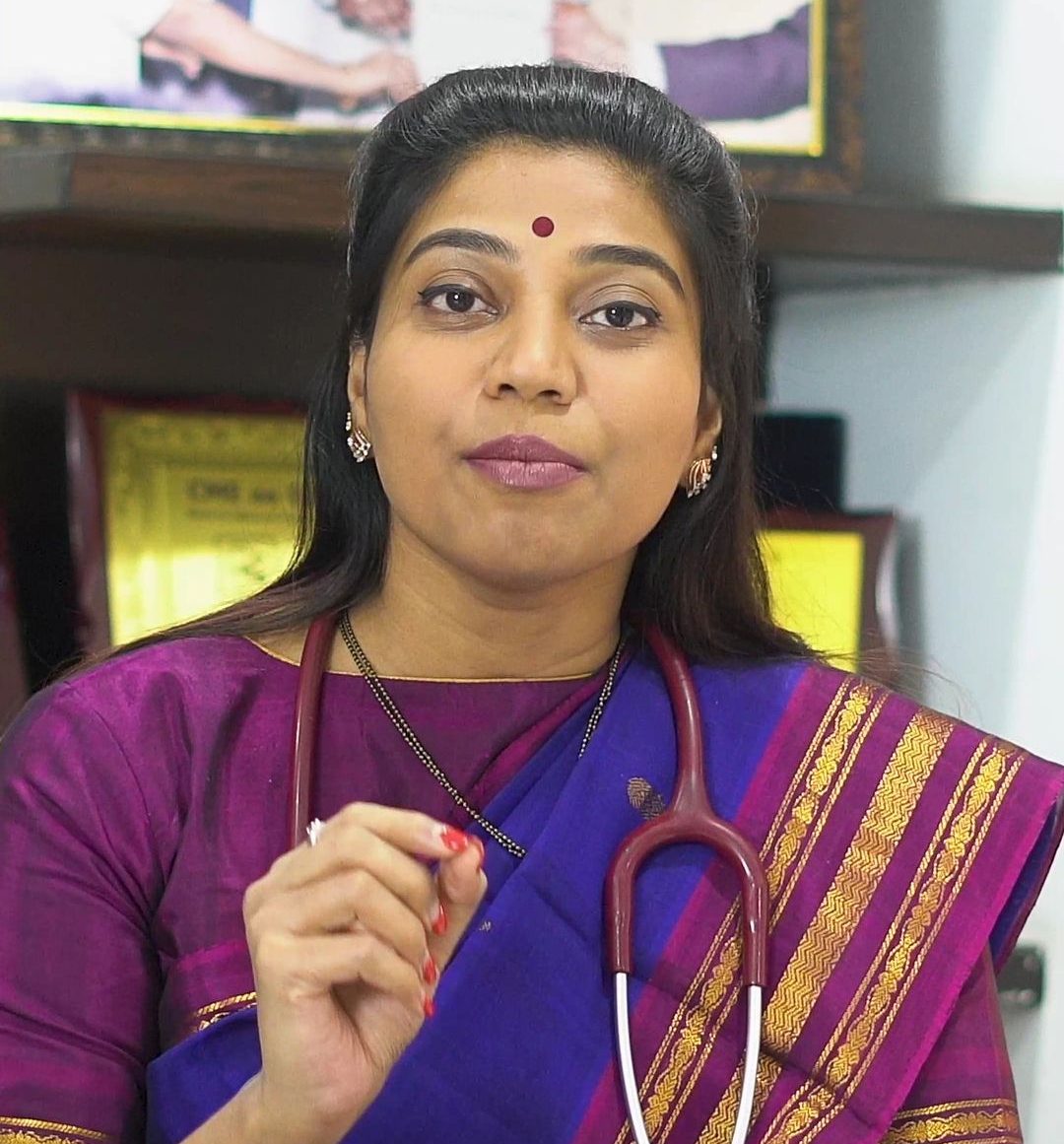
Dr. Shree Rao
MS (ENT) | Cochlear Implant Super Specialist | Director, Dr. Rao's ENT Super Speciality International Hospital
Dr. Shree Rao is one of India’s leading cochlear implant specialists with over 12 years of experience and 200+ successful cochlear implant surgeries. She completed specialized fellowship training under Padmashri Awardee Dr. Milind V. Kirtane and has trained at Singapore General Hospital for rhinoplasty and facial plastic surgery. As Director of Asia’s largest ENT Super Speciality Hospital, she leads teams across 7 OPDs, 3 operation theaters, and specialized units with a 99.9% success rate. Dr. Shree Rao is passionate about creating a “Deaf-Free India” and partners with NGOs to provide free cochlear implant surgeries to underprivileged children.
Dr. Pal Manickam
Gastroenterologist | YouTube Health Educator | Host of 'Gut Feeling with Dr. Pal'
Dr. Pal Manickam is a renowned gastroenterologist and health educator with over 3.5 million subscribers on YouTube. Known for making complex medical topics accessible to the general public, Dr. Pal focuses on gut health and overall wellness. Through his podcast “Gut Feeling with Dr. Pal,” he brings India’s top medical experts to discuss critical health issues affecting millions of people.
Podcast Summary
In this eye-opening conversation, Dr. Shree Rao joins Dr. Pal to discuss the growing epidemic of noise-induced hearing loss in India. With the rise of work-from-home culture, increased headphone usage, and constant exposure to noise pollution, more Indians than ever are at risk of permanent hearing damage. Dr. Shree Rao breaks down the science of how we hear, explains why prolonged headphone use is dangerous, and shares practical prevention strategies like the crucial 60-60 rule. She also reveals the life-changing impact of cochlear implants and her mission to provide free surgeries to underprivileged children. This conversation is essential for anyone who uses headphones regularly, works in IT, or has loved ones with hearing concerns.
Need Expert Care?
If you or a loved one is experiencing hearing difficulties, don’t wait
Podcast Highlights
What is noise-induced hearing loss and why is it becoming an epidemic?
Noise-induced hearing loss occurs from prolonged exposure to loud sounds, which damages the delicate hair cells in the inner ear (cochlea). These precious hair cells convert sound vibrations into electrical signals that our brain interprets as sound. Once damaged, these hair cells cannot regenerate – making the hearing loss permanent with no medication available to restore it. With the post-COVID work-from-home culture, people are using headphones for 8-10 hours daily, exposing their ears to dangerous noise levels that our ears simply weren’t designed to handle.
What is the 60-60 rule and why is it critical for people hooked to earphones?
The 60-60 rule is recommended for anyone using headphones regularly:
Keep your volume at 60% of maximum and take breaks every 60 minutes.
This simple practice can significantly reduce your risk of noise-induced hearing loss. Additionally, she recommends creating an optimal workspace with reduced background noise, investing in quality headphones with noise-cancelling features, and preferring over-the-ear headphones instead of in-ear ones, as they sit farther from the eardrum and cause less direct damage.
Are young people really experiencing more hearing loss than previous generations?
Absolutely yes. We are seeing a dramatic increase in hearing loss among younger patients. The myth that “hearing loss only affects elderly people” is completely false. With constant headphone use, attending loud concerts and events, working in noisy environments, and the normalization of high-volume audio, today’s youth are damaging their hearing at unprecedented rates. What used to be a condition primarily affecting seniors is now impacting people in their 20s, 30s, and 40s.
Can medical conditions like diabetes and hypertension affect hearing?
Yes, hypertension and diabetes can significantly contribute to hearing loss. These conditions affect blood flow to the delicate structures of the inner ear, depriving the hair cells of oxygen and nutrients they need to function properly. This is why managing chronic health conditions is crucial not just for overall health, but also for preserving hearing ability as we age.
What treatment options are available for severe hearing loss?
For mild to moderate hearing loss, hearing aids can amplify sound effectively. However, for severe to profound hearing loss where hearing aids aren’t sufficient, cochlear implants are life-changing devices.
Unlike hearing aids that simply make sounds louder, cochlear implants bypass damaged hair cells and directly stimulate the hearing nerve. Early intervention is crucial, especially for children born deaf. With timely cochlear implant surgery (ideally before age 5), children can develop normal speech and language skills, transforming their educational and social futures.
What are three simple steps every Indian can take today for better hearing health?
- Follow the 60-60 Rule: Keep headphone volume at 60% maximum and take breaks every 60 minutes. Invest in quality noise-cancelling headphones to avoid turning up the volume in noisy environments.
- Protect Your Hearing: Once hearing is lost due to noise damage, there is no medication to restore it. Prevention is the only solution. Use ear protection devices when exposed to loud environments (concerts, construction sites, etc.).
- Seek Early Intervention: If you or a loved one notices any hearing difficulty, don’t delay. When identified early, hearing loss is treatable. Regular hearing tests are important, especially for high-risk groups (IT workers, musicians, factory workers) and children showing signs of hearing problems.