
Advanced Cochlear Implant Technology for Better Hearing
Both her ears are not functioning. Both
her ears are dead. She's not able to
hear anything.
They literally cry in our OPD room and
they ask [music] this one more question.
Doctor, will my daughter speak ever
again? Will [music] she be able to
hear voices at any time? Parents have to
take a leave from their work.
>> [music]
>> They have to travel very long distance
and India traffic is something which is
very horrible. So, that's something
which is very, very [music] devastating
for many parents. It turns the family's
smartphone into [music] that equipment.
So, no longer do they need to come all
the way in. Instead of their cochlear
implant being a [music] medical device,
it makes it into a cool, high-tech
gadget.
>> I was [music] imagining Cyborg in
Justice League or how does Iron Man
hear? He answers everything. With AB, we
work off 120 channels [music] and what
that means is we can get up to 466
distinct pitches. Because they've got an
implant in the head already. Can we
measure the brain responses to sound to
see how that child [music]
or an adult is reacting to the sound?
It's in the early phases, but we can
actually get objective
scientific information [music]
to see is the brain adapting to the
sound.
>> I'm going to remove this wait and see
option from the equation at all. It is
[music] providing all the mothers a
mental peace of mind stating that yes,
my child is hearing. Hello. Namaste. I'm
Dr. Sriram, pediatric ENT and cochlear
implant surgeon. As a hearing
restoration surgeon, I've had the
privilege of performing hundreds of
cochlear implant surgeries, but most
importantly, I've witnessed first hand
the transformative power of these
cochlear implants on the life of kids.
Through this podcast, I'm going to cover
what to look for when you're choosing a
cochlear implant system, what are the
advantages, what are the advanced
technologies that are available in order
to ensure that your child hears
perfectly and speaks with clarity? To
address this, we have Mrs. Jade Donnan,
clinical specialist, education and
training manager for the entire Asia
Pacific countries
from Advanced Bionics, based in greater
Sydney, Australia. Jade is a true
intersection between human biology and
high-end engineering.
Jade, it's wonderful to have you with
us. I'm really excited to be here with
you today. The work that you're doing to
elevate clinical standards within India
is truly impressive, and I'm excited to
talk about some of the things that we've
been doing along with you to support you
on that journey. So, Jade, let's talk
about the clinical journey. I know in
Australia the healthcare system is
highly structured, but it's not the same
in our country, India. Parents, they In
fact, they are very young couple. They
get their kids around 2 and 1/2 years, 3
years old. They look very devastated.
They say, "Doctor,
my child was not responding to sounds at
all. So, we got her hearing evaluation
done, and it turned out to be both her
ears are not functioning. Both her ears
are dead. She's not able to hear
anything." They literally cry in our OPD
room, and they ask this one more
question.
"Doctor, will my daughter speak ever
again? Will she be able to hear voices
at any time? Will she be able to go to
normal school?" And now, Jade, from your
point of view, as a clinical specialist,
how does the rehab system differ in our
country when compared to other developed
nations like yours? And is there any
advanced technology in such a way that
to help these patients get that mental
peace of mind because we don't have
newborn hearing screening and early
intervention. It's a just a developing
nation. It's a really, really good
point. We're really lucky in Australia
to have a very well-developed newborn
hearing screening process. That means
that the little bubs are going to be
found to have that hearing loss so early
that we can start with the early
intervention. They're implanted early
and essentially every week they're going
to have appointments with a specialist
on their hearing therapy to learn to
hear sounds and learn to speak. We're
really, really fortunate in Australia to
have that and it is a little bit
different here in in India. Yes. We know
that there isn't always the access or
the ability to have so many regular
appointments with a trained therapist
and because of that the family takes
such an integral role in the the hearing
rehabilitation. True. So what we see is
that the mothers and the grandparents,
they are the ones who almost become the
therapist. So what we invest in in our
tools and our resources is ways to help
the families become that therapist, to
do these listening activities within the
home to support that child to to get to
where they need to be to hear meet the
hearing milestones
and then to hear like their other
children at school. Wow, that's truly
amazing. What you said is perfectly
right. In our country we have the
opportunity, we are blessed in such a
way that grandparents also become
therapists. We have that extreme
support. And is there any technology you
could help these grandparents to
understand very easily and do the
weightlifting from your side? 100%. I
think it's really important that there's
this this marriage of having the great
technology to remove the barrier that's
there. They can hear the sound well and
then couple that with the therapy to be
able to build those skills. And of
course Advanced Bionics is a technology
company. We have lots of technologies
that are designed to bring access to the
sound to be able to build those hearing
skills. There's so many that we could
talk about. I think if we start with
just some of the fundamentals, we have a
technology called the T-mic. So this is
a microphone that sits at the entrance
of the ear canal and it's a really
simple thing. We kind of take it for
granted that a microphone needs to be
precise technology. It needs to be a
good quality microphone, but also the
placement of that microphone is really
important. So, with a T-mic sitting at
the entrance of the ear canal, it's
capturing sound the way that the normal
ear captures sound and it's passing that
through to the child to hear. There's a
few other technologies as well that kind
of come together to give that that
access to sound. So, another of the
technologies that we have that works
together with a T-mic is the input
dynamic range. With Advanced Bionics, we
have the widest input dynamic range.
What that means is that our system can
capture the really soft sounds, so the
whispers, the different sounds in the
house, up to the louder sounds. And
that's really important cuz if we're
thinking about incidental learning, so
child's just learning about the
environment, the different sounds, as
well as speech, we need to hear those
really soft sounds and the loud sounds.
So, having the widest input dynamic
range in cochlear implants is an
important facet and all works together.
So, you mean the T-mic, which is
patented from Advanced Bionics, and also
the wider input dynamic range. I think
that's an industry level. You are the
highest among the industry level.
Perfect.
>> That's right.
>> And really thank you for doing the heavy
lifting for developing nation nations
for like our country. And because you
mentioned about the home learning, the
home environment where even grandparents
can help them, let me ask you one
commonly asked question, Jade. They ask
me, "Doctor, because the technology
technology is so good that why can't we
go with one implant on one ear? Why
should we go for both the ears? Is one
implant really enough, Jade?" It's a
natural question. We get this question a
lot. When I was in clinic, I would hear
this a lot too. The reality is, as you
know, Dr. Rao, we are born with two ears
and our brain is designed to listen with
two ears. When we are limited to input
of sound with just one ear, it's much
harder for our brain to make sense of
the sound and to learn to hear the
speech and everything in our
environment. So, two ears really does
make a big difference. The way that
Advanced Bionics approaches this is that
we always look at the two ears working
together. So, it could be two cochlear
implants, it could be a cochlear implant
and a hearing aid. Everything we do is
looking at a person as a whole. That
child has two ears, let's optimize them
and get them to hear together.
So, you mean to say it's not just about
the volume. It's about the clarity
against the chaos. So, Jade, do you have
any extra advanced technology in such a
way that because you know, in India,
when most of the kids that I operate are
pediatric kids. And our schools are
designed in such a way that we have
fans.
Rooms are very noisy. And in fact,
we have almost 30 to 40 kids in each
classroom. So, I understand that you
have wider the highest input dynamic
range of sound. But is there any
advanced technology more than that other
than creating a volume in such a way
that there is some noise canceling,
something like that? Most definitely.
So,
again, because Advanced Bionics is an
innovative company, we've come up with
lots of different technologies. They
work together, but I'll try and pull a
couple apart here to kind of explain how
they work to help a child in the
classroom. One technology that we have
is called ClearVoice. This is one that
we are so proud of cuz it's the only
sound coding strategy that's got an a
superiority rating from the FDA. It's
ClearVoice. ClearVoice. So, that's a
pretty big deal. We're very proud of it.
What it does, what it means for
families, is that it's always listening
to the sounds in the room, and it's
going to automatically adapt for that
child. So, they don't have to do
anything, the parents don't have to
worry, the teachers don't have to worry.
But, what it's going to do is as soon as
the the sound is raising in that
classroom,
as you said, the ceiling fan, the other
kids, the class next door, the traffic
outside, it's hearing that, and it's
going to reduce that noise to be able to
highlight the speech more. And that's so
important for the child. Uh whether
they're hearing with one ear or two
ears, we need these extra technologies
to be able to give them more speech and
less noise, so they can really focus on
what's important, which is the learning.
And what we really see with technologies
like this is its impact on the brain.
When we are straining to listening in in
noise,
even for people with normal hearing, we
have to focus harder. We kind of we you
can see it in our eyes, we are
straining. If we can relax all of that
for the child's brain, it gives them
more capacity to focus on the learning
in front of them, to focus on their
reading, to focus on their mathematics.
It just allows them to be a child like
everyone else in the classroom. So, this
is, you know, the amazing technology,
but the impact is that the kid can just
be like every other child. If I can tell
you a little story about Clear Voice,
when we first when we first released
this, we were doing some clinical
testing with it. This is many, many
years ago now, and we came up with
something that we called the Clear Voice
Eyes. And this is because of the way the
technology works, there's about a
3-second delay before it turns on. So,
it's listening to the room, it's seeing,
"Okay, there's noise." And then 3
seconds later, it switches on. So, when
you're looking at someone with a hearing
loss listening with our technology,
they're focused really hard. They're
trying to hear the speech away from the
noise. Then the technology comes in, and
you see this
relief in their face. Their eyes relax,
their face relax, often their body
language relaxes well. And this is like
the physical version of the technology
turning on. We can actually see it
playing a role. And this is why
we've had this technology for years, but
it really sticks with me cuz it's a
physical change that we can see in the
child or in the adult when we're turning
this technology on. So, we know that
it's impactful. We know it's making a
difference. It's picking out the speech
more, but it's enabling them to relax,
not be so fatigued at the end of the
day, get through that whole school day.
And I know the school days in India are
long days as well. We need them to
listen for a long time. So, these
features that are not just improving the
speech, but also just relaxing the
brain, these are really important for a
child to excel in the classroom. Yeah.
So, you mean to say that rather than
struggling to understand speech, there
will be an effortless hearing.
I can say effortless listening
without any effort. That's fantastic.
If I could add to this as a surgeon
myself,
um if you
look into the physics of sound, that's
what we read earlier. I always tell my
patients this. A single cochlear implant
is definitely a boon for kids.
But this works in silence. In the noisy
environments, a single cochlear implant
is not enough. Brain needs to perform
three-dimensional auditory scene
analysis. It requires three-dimensional
auditory input. It could be because of
the head shadow effect. It could be
because of the binaural summation. It
could be because of the binaural squelch
phenomenon, what you call it as
suppression phenomenon. Finally, I would
like to convey to the parents this way
that and research very strongly supports
this state. Even you know about this. In
hearing, 1 + 1 is not equal to 2. 1 + 1
is greater than 2. And that's the point
they need to note. Finally, it should be
an effortless listening rather than
struggling to hear and finally
exhausting at the midday itself. So,
Jet, because we are in this flow of
where binaural stimulation is important,
bilateral implantation is important. Let
me ask you a complex situation where
people do come and meet me. Some kids,
they have some amount of residual
hearing on one ear. Residual in the
sense where somewhere around 70
decibels, moderate to severe hearing
loss. And on the other ear, they may
have profound loss that's somewhere
around 90 decibels of hearing loss. So,
in these situations, what we usually
advise is to go ahead with the bimodal
ear. Where I'm going to implant do
implant on the profound hearing loss.
And perform and ask them to use a
hearing aid on the
other ear which has moderate to severe
hearing loss.
Now, the common question that parents
ask me is, Jet, "Doctor, because we are
using two devices on both the ears, will
the brain be able to understand this?"
How can we answer this? It's a pretty
common question again, and it's a bit of
a tricky one. Traditionally, the way
that a cochlear implant and a hearing
aid work is really different. So,
essentially, we are putting two
different sounds into the one brain and
expecting that brain to make sense of
it. That's a challenging task. We know
our brains are amazing. We know that
kids' brains in particular are really
plastic and they're able to adapt to
things, but it takes more work. It makes
us more tired. So, if we think about
this like an example of
watching a movie. So, say we're watching
a movie screen and half of it is in
black and white. And then the other half
of it, we've got 4K, maybe it's even in
3D. So, we've got two different kinds of
sounds or two different kinds of visions
in this example.
We can watch it and we can make sense of
it, but we are going to be focusing so
hard to figure out what's going on that
it just is draining.
It's the same with our ears. If we're
listening with two different radio
stations, it's hard to pull them
together. So, that was the traditional
challenge we had with bimodal, that the
acoustic and the electric just weren't
really coming together in the right way
or an easy way for the patients. But,
what Advanced Bionics has done is we've
come out with a linked hearing aid that
actually connects with cochlear implant.
>> So, you mean linked hearing aid? You
mean to say one side with the hearing
aid they are going to get the acoustic
hearing and the other side with the
cochlear implant they are going to get
the electrical hearing. But, Jade, uh
as a surgeon by myself, I know it's very
difficult to sync these both together.
And I know Advanced Bionics has come up
with this linked hearing aid.
But, will all the implant companies
follow the same principle? Anyhow, brain
requires some time to adjust this one.
Is there any technology that these two
work together? Why did they give this
name of link for this? Yeah, and so
that's the important thing that we
worked so long on to battery bring the
hearing aid and cochlear implant
together and link them as one system.
So, with Advanced Bionics, they're not
two different devices working on their
own doing different things. We have the
Phonak Marvel Link hearing aid and then
we have our Marvel CI, and they actually
work together as a pair. So, they're not
just listening to the same sounds,
they're actually treating them in the
same way. So, what that means for that
one hearing brain, cuz we still only
have one brain even though we have two
ears, it means that the the signals that
are coming in, when there's noise, both
devices hear their noise and they use
the same kind of technology to treat it
and help get rid of the noise, focus on
the speech. So, they're working in the
same way at the same time. So, that
truly
brings the the clearest signal together
and this is all part of again,
giving less strain to our brains.
So, with Advanced Bionics, the way that
we've implemented bimodal is different
to how all the other companies are
approaching it at the moment. So, our
Naida Link hearing aid and our Marvel CI
or Sky CI actually work together. Mhm.
How that really works is they've got the
same brain. They use the same chip and
they use something called AutoSense OS.
This is the technology that is
essentially the software within them.
So, they're using the same software to
listen to the room and make the same
decisions about how much noise there is,
when to turn things on and off, and when
to put the right sounds through to that
child. So, this is completely unique in
the industry. We are the first and only
to have a linked system where both
devices use the same chip and are able
to actually share that information
together. And this is the kind of thing
that not only makes it easy because you
don't need to change programs on both
things, they work together, but it makes
it easy for the brain cuz it's getting
one more synced signal together. True. I
think this is the reason why Jade,
because kids they cannot tell about
this, but for adults and for teenagers
who have been using hearing aids for
pretty long time, the most common
complaint is that, "Doctor, I'm able to
hear the volume. If you increase the
volume also, I'm very normally able to
hear the voices, but the clarity is
missing." That is what they say.
And the minute I implant on one side and
put a link hearing aid on other side,
within 1 month Jade, you'll not believe,
they say that "Oh my god, my hearing is
so much better. I It's so crisp. The
clarity is so crisp. I would have chosen
this implant earlier only. Now
everything makes sense with AutoSense
OS."
>> [laughter]
>> I definitely remember that from clinic
as well. So, before we had these linked
hearing aids, patients who would get
bimodal, they would just say it was off
sync. It wasn't working together. Um
they would explain things like it's it's
like two different radio stations and it
just doesn't seem to make sense.
But once we have this linked bimodal, it
just makes them feel more comfortable
and they often say it just they feel
they don't feel off center anymore. They
feel more in balance.
>> Are there any other companies also doing
the same kind of thing? I think they
have to buy a hearing aid separately and
implant separately. They do not have
this something with their sister
company.
>> This is correct. So, only Advanced
Bionics have a true linked system that
the hearing aid and the cochlear implant
are specifically designed to work
together and actually talk to each
other. So, we can talk to apps. So, we
have one great simple app where a family
could turn things up and down for both
devices. But in top on top of that, the
devices talk to each other and that's
how we can optimize the sound more and
give the the best sound input to try and
get the best hearing and and speech
outcomes as well. Wonderful. Amazing.
So, it's just like a
single ecosystem. That's right.
Fantastic. So, now Jade, uh let me ask
you about the teenagers. This is a
specific, completely different group. I
remember one smart guy, he was asking
me,
"Doctor, I study very well. I don't mind
wearing this implant at all.
I have very good hair. I can cover it
up. My only concern is this. All my
friends, they have mobiles, they have
laptops. They wear this headset and they
look very cool. In fact, they do gaming,
they attend online classes,
they do their homework on these laptops.
But I always feel I am a left out with
that. Hmm. Is there any way that this
advanced technology can fit this teenage
group in such a way that they don't feel
that they are wearing a medical device?
It should just look cool, like a cool
gadget. Is there any technology
available that way?
Yes, you're right. For teenagers,
fitting in with their friends is one of
the most important things to them. And
one of the biggest changes I've seen in
cochlear implant technology in the last
few years is wireless streaming. Oh. The
way that we've implemented it with AB is
universal Bluetooth connectivity. What
that means is that that teenager can
connect to any different type of device
that has Bluetooth technology in it. So,
when we think about mobile phones, we're
not just designing things to work with
an iPhone or a few phones. We've got
made for all. It will connect to Android
phones as well as iPhones. So, this
teenager who's on the bus on the way
home from school can be listening to
their Spotify. They can be taking calls
through WhatsApp. Everything else that
their friends are doing, they can do it,
too. So, it's essentially turning their
cochlear implant into a high-tech
earbud. So, it is something cool. It is
something that does help them fit in
with their peers. The other thing that
we've done when we've implemented
universal Bluetooth connectivity into
the Marvel CI is that we've included
hands-free calling. So, with any other
cochlear implant, if that teenager wants
to take a call on that bus or at home,
wherever they are, they still have to
get their phone out of their bag and
lift the phone up to hear to use the
microphone so the other person can hear
them. The Advanced Bionics Marvel CI or
the Sky CI, we're actually using the
microphones on the ear. So, they can
keep that phone in their bag. They can
keep it on the other side of the room.
They can have that phone call just by
answering it on the ear, chatting away
with their friends, and no one even
knows that they're on a phone call. So,
these are again are the really cool
things that make you able to be a teen,
be just like your friends, and access
all of this technology that's just part
of our lives now.
And then the other thing that I think of
is really important is you mentioned
gaming consoles. There's so many hobbies
that rely on sound and streaming.
There's also education that relies on
it. So, the other way that's the other
thing that's really important with
universal Bluetooth connectivity is
connecting to other devices. So, not
just a phone, connecting to the laptop
at school, connecting to the iPad at
home, connecting to a gaming console,
anything that's got Bluetooth, they can
directly connect with their cochlear
implant and hear that sound just like
their other friends can, or even easier
cuz they don't even need to put a
different set of headphones on. They've
already got the technology. So, instead
of their
cochlear implant being a medical device,
it makes it into a cool uh high-tech
gadget. Wow. This
universal Bluetooth is a totally game
changer, Jade. Mhm. In fact, the way
that you were mentioning, I was
imagining
that cyborg in
Justice League or in Star Wars or how
does Iron Man he answers everything,
yeah. Yes, go ahead. Yeah. It It's the
future, but it's here now for our
cochlear implant recipients. That's
really wonderful, Jade. Now, because we
are talking about these teenagers, for
them music is something which is
cool. Do you have any technology in such
a way that it can also capture these
microtones of the music? Yes. So,
another technology that AB has worked
really hard on is our current steering
technology. So, traditionally music is
actually quite a complex sound. It's
quite hard for a implant to pull apart
all the important pieces of music and
pass them through. What we've done with
Advanced Bionics is we've created a
specific technology to get more of the
music information or more of the
spectral information. So usually a
cochlear implant would work off 12 or 22
channels. With AB we work off 120
channels and what that means is we can
get up to 466
distinct pictures. Wow.
>> And this is what's really important for
music, picking out all the fine details.
So to be able to really enjoy and get
the emotional side of music, we need all
this extra information. So that's like
the subtle pitch information. We also
need the difference between the big loud
drums and then the soft sounds as well.
So all of this comes together and with
our current steering technology, we can
pull that apart to give that richness
and texture back to music.
>> Mhm. And then because it's easier to
listen to and more enjoyable to listen
to, they can
get the the musical they can get the
emotional aspect of the music as well.
What's this current steering technology,
Jed?
Can you just explain to normal people
what this is, current steering
technology? Sure. It's something very
complex that our engineers have worked
on, but if I try and explain it simply,
what we do is instead of just activating
one electrode at a time in the cochlea,
what we can do with our system because
of what's in the implant, we can
actually turn two electrodes on at the
same time. So what we can do with that,
it's a bit fancy work, but essentially
we can actually create what we call
virtual channels. We can move the
current around more in the cochlea. So
instead of just be able to give a few
different tones. So if you think about
maybe like that little first keyboard
you get as a kid, it's got 12 or 20
keys. You can play a few different keys.
But with this it's more like we have a
grand piano. So, we have more different
pitches, more distinct tones that we can
pass through to the the patient so that
they can hear that sound and hear the
music in a more richer way. Yeah. Now,
that makes sense. If you look into the
physics of sound also, if you look into
the cochlea, cochlea is designed in such
a way that there is a tonotopic gradient
where the lower frequencies are at the
apex and higher frequencies. And
definitely, if an implant is able to
replicate that, that will be wonderful
because it's not about the physical
number of contacts. It's not about the
physical contact electrodes. It's about
the number of pitches that you're going
to provide. And that's what makes music.
Grab that microtones.
Now, Jade, let's just shift the gears a
little bit. Getting an implant surgery
is the simplest one. It hardly takes for
about 45 minutes and everything is done.
But the most common problem faced by
many parents of these little kids is
that they have to get these kids very
regularly to the centers for something
called mapping programming. And to get
those kids, it may look very simple.
Getting those kids to the center,
getting mapping programming done, it
hardly takes 20 minutes to half an hour.
It may look quite simple, but if you
look at it in depth, they have to visit
once in every 3 months for about one
entire year. And this continues
throughout their lifetime. We call this
as mapping sessions. For this,
getting the kids to the center,
parents have to take a leave from their
work. They have to travel very long
distance.
Initially, it sounds okay. Hardly 20
minutes, 30 minutes. But doing all this,
traveling, leaving work, and getting
their kids
booking an appointment, and making them
sit there with all the wires connected
is something which is very, very
difficult for parents. I've seen them
directly.
Now, is there any way that you could
help people, parents like them, so that
they can shift all this, they can remove
all this, and directly focus on their
work, and make it quite simple? Yes,
thankfully, we've we've talked about a
few different technologies, and a lot of
them have been about how to improve the
signal, how to help people hear more.
The remote programming technology that
we've brought in recently, this is
probably one of my favorite technologies
because it actually changes the way how
we can deliver care. It actually starts
to democratize cochlear implant care, so
that it's not just those who are close
to the clinic, it's not just those who
um you know, have enough family support
to get the kids in and out for all of
these appointments. We can start to have
a more patient-centric approach. So,
what we have with Advanced Bionics is
called the remote support app. And with
this app, which is for Android or
iPhone, so really simple for many people
to use,
it essentially turns what would be
usually that really big, expensive
equipment that's sitting in at the
hospital, it turns the family's
smartphone into that equipment. So, no
longer do they need to come all the way
in to access that equipment. And then
you, or the other professionals, can
stream in through Wi-Fi, through the
cloud, talk to the patient,
and essentially anything that would be
done in the programming appointment, the
mapping appointment in clinic, can now
be done through the phone. So, this
completely changes how we can provide
care to patients.
Like you said, there are so many
barriers to getting into an appointment,
whether it is just the struggle to get
the child there, whether it is taking
the time off work, losing money, sitting
in the traffic, which I experienced
yesterday. There's so many barriers, and
this it's a simple app, and it can just
revolutionize how we're providing that
care. Is the app easy to use? Can even
grandparents, parents, everyone can use
that?
>> Definitely. I think this is something
that our engineers over the recent years
have really focused on, making sure that
not just that we have the best
technology, but it's also really easy to
use. So, the interface of the app, it
just has a couple of screens that you
connect, you click into that, you're in
a waiting room. It'll say, "We're
waiting for your professional." And then
once the professional's there, it'll
just open. And it essentially just looks
like a voice a face FaceTime call for
the recipient. They see the face of the
professional, they can talk, so they can
do the lip reading. It uses the
speakerphone, so the family are involved
as well. It's not just streaming to that
child, which could be confusing for the
caregivers. It's putting the sound into
the room, so everyone can be involved in
that appointment. The family can still
answer questions to the therapist,
and everyone's in that appointment. Very
much like if they were in the room, just
without having to go on that long
journey to get there. Wow, that's
something which is revolutionary, I can
say. But yet, because this is such a
fantastic thing what engineers have
discovered, so is this accessible
for all the generations? For example, if
I operated on a child somewhere around 5
years or 6 years ago, can they also use
this technology? Yes. So, the remote
support app is backwards compatible for
those who have had their implants for
some time.
>> It's backward compatible. So, we need
the Marvel CI sound processor or the Sky
CI sound processor to connect with the
remote support app.
But they could have an implant back to
our CI 2 implant. We've had that implant
for almost 25 years. They can still
access this great technology. And again,
this is why technologies like this
excite me, because we're able to help
people who have been implanted for so
long, but we also know that people we're
implanting now are going to have access
to these amazing technologies that we
haven't even thought of yet, but they're
going to come in the in the future and
we're going to be able to bring them
back into our implants.
Cuz the way that our engineers have
designed our implant, if we think of the
Ultra 3D implant, our current implant,
we define that as a smart implant. We
define as future-ready because we know
it's got the capability to deliver these
future technologies that we're still
working on or we haven't thought of yet.
They'll come to the patients and they'll
be able to give them more benefits into
the future. Wow, that's fantastic. Why
did they ask this question is because
Jade, I also work with other companies
where
uh some of the parents they were so
anxious that, "Doctor, I got my child
implanted 6 years ago, but now I'm not
able to use the most recent advanced
technologies that they have gotten. Now,
for me to access that, I need to change
my implant." That's what they are
mentioning. They're really stressed out
with that and that's the reason I asked.
The thing that Advanced Bionics is doing
is something which is a total
game-changer, Jade, because us as a
developing nation, for us
the amount of money that we are spending
on this implants is huge even for a
middle-class person or for a high-end
person. So, it should be in such a way
that it is the technology that you are
inventing or discovering should be
useful
for everyone who gets an implant. Once
the implant is done,
that's all. It should be that way and we
sincerely thank all the scientists who
have done scientists and engineers for
this specific backward compatibility,
which is a USB of Advanced Bionics. I
think this remote programming is a kind
of boon for working people like us,
right? Yeah, the interesting thing when
we started to launch this in Australia,
we were really thinking about it for for
something to help that geographical
distance. So, Australia has really big
distances, just like India does. And we
were thinking, "Oh, this is just
something for people who live a long way
away." But as we started to train the
clinics on this, as we started to talk
about it more, we also realized for
ourselves that this is just as important
for someone who lives in the middle of
the city. For the busy professionals,
they only have a half-hour lunch break,
if they get a lunch break. So, they
might not want to take half a day off to
come on in for an appointment. The busy
families who are trying their hardest to
give their their children the best head
start in life, they have lots of
different activities to go to. Taking
half a day off school for those kids is
a big deal, as well as like we've
discussed with the the loss of income
and time out. So, it really is not just
something about overcoming distance.
It's something that just makes it easier
to access care for everyone. And if I
think about a story that happened when
we first launched remote programming in
Australia, we just had the Marvel CI,
and there was this beautiful little boy
who has some complex needs. He just had
his Marvel CI upgrade, so he got two new
Marvel CIs. Very excited little boy. Um
and it was a great appointment, and the
family went home. When they got home,
the mother realized that they the
audiologist had forgot to turn on one
feature, which is the flashing LED
light. And that's just something that
helps the mom know the device is
working, my kid is hearing okay. But the
audiologist forgot to turn that on. So,
in the world before remote programming,
that family would have had to call the
clinic the next day, cuz it's out of
hours already, try and reschedule an
appointment, who knows when they can get
that appointment, in a couple of weeks,
maybe. Then, on that couple of weeks
day, the mom has to take more time off
work, the kid has to take more time off
school.
That's how it would have had to work.
However, [clears throat]
because we had remote programming, the
very next day at 4:00, once the kid had
finished school, the audiologist
connected with the family through the
remote support app. It took about all of
2 minutes. They turned the feature on,
said hello, checked everything was doing
okay, and that was it. Oh, wow. So, the
the impact for that family, you can't
underestimate that. Um as as a mother
yourself and myself, it takes a lot to
to move kids around and to do all the
things that we need to do for our
children. The way that technology can
just simplify life is just That's one of
the things that blows me away, and I'm
really passionate about what we can do
to now reach more people and make it
easier to access the care for cochlear
implants.
That's That sounds great. Uh
as I said, it's really revolutionary. It
completely changed the game. Jade, you
were telling about the light blinking
for that little boy, and they could
understand that the implant is working.
That's fantastic. Um let me tell you
what recently happened
in my hospital.
There was this
young person. He works in a bank.
He got his implant done,
but he was not coming for regular
therapy sessions at all. He didn't have
time because he is a working individual.
He got his implant done mainly because
whenever people are talking to him, the
clarity of sound was missing in spite of
using hearing aids. Now, because he's
already post-lingual, he already
developed his speech. He just wants to
track his progress how much this implant
is benefiting him. That's his main
thing. Rest everything is already
post-lingual, so he knows everything. Is
there any way that we could help people
like this rather than coming for the
therapy center and attending therapies?
Anything that could track their progress
at their workplaces only? Yes. So, we
have the AB Listen Fit app, and that was
specifically developed to empower people
on their hearing journey. So, it gives
them the tools in their pocket, in their
phone, to be able to test their hearing,
to be able to see, "Am I still hearing
the soft sounds?" They can do some tests
in different languages to make sure that
they're still hearing well. So, someone
like that who maybe one day they're just
thinking, "Oh, I'm not sure if I'm
hearing well today." They can do a
really quick check, and then they can
get the feedback, "You're still getting
the same results. Everything is okay."
Or on the other side, they can do that
test and go, "Ooh, something's changed.
I better go back into the clinic now.
Now I can prioritize that." So, it helps
give them the insights and the tools to
know how to manage their hearing
themselves without having to go in every
6 months if they don't need to. If
things are good, they can have the power
to take charge of their hearing
themselves. Yeah, that's fantastic. Now,
because he's an adult, he can just use
this AB Listen Fit app. How about kids,
Jade? They'll not be able to track their
progress by themselves. How can kids
track this? Yeah, that's something that
we're working on. So, the AB Listen Fit
app can be used with teenagers up to up
to 13 years of age, and it can also be
used with a family support.
But, the kid will need some kind of
language.
So, what we have uh now is the AB Listen
Fit app, but we are working on future
technologies as well. So, you would know
that we're working on a cortical study.
So, we're in the research phase at the
moment, and what we're trying to
understand is because we've got an
implant in the head already, can we
measure the brain responses to sound to
see how that child, or an adult, is
reacting to the sound. So, what we can
do is, and it's it's in the early
phases, but we can actually get
objective scientific information to see
is the brain adapting to the sound
that's being shared. So, is that kid
learning to listen? So, that's pretty
powerful. So, we're still in the
research phase. We're partnering with
clinics like yours to make sure we're
gathering enough information to know how
to implement it in our technology, but
that's something that's coming in the
future cuz we know that every parent is
going to want to know every day, is my
kid hearing okay? Is Are they actually
learning to hear? Is their brain
developing?
We're on on track to be able to see that
objectively with our Corticals. That's
fantastic. Actually, thank you so much
for collaborating with Dr. Ausi ENT
Hospital for this fantastic research
study. Um because this is something
which
uh
has been there in my mind since quite a
long time.
Because parents keep asking me the same
question over and over again.
Doctor, is my child hearing? Doctor, is
my child hearing? The only answer that I
give them is let's wait and see.
Your child is definitely going to hear.
That's what most of the time we used to
tell. Now, I'm not going to say that.
I'm going to remove this wait and see
option from the equation at all.
This is because most of the cochlear
companies, cochlear implants are
designed in such a way that there's
something which is blinking here and we
understand that the implant is working
and then we do intraoperatively see arm
and x-ray to check whether the electrode
is within the cochlear or not.
And also, we do neural response imaging
and state that yes, implant is
functioning well. Functioning of the
implant is well, but is this sound
reaching the brain or not? Is the child
able to understand the sound or not?
Is the child's brain developing or not
on par with others? These are the
questions that are not answered and that
is what fascinated me. Now we are at a
situation where through the reverse
telemetry the implant itself will tell
us, we call this as electrically evoked
cortical auditory potential e-cap
values.
We can assess
whether the sound is reaching the brain
or not.
How is the brain development of a child
who underwent cochlear implant surgery
happening?
And this is something which is amazing.
It is providing all the mothers a mental
peace of mind stating that yes, my child
is hearing.
I can see that latency graphs which are
there
is improving day by day.
And thanks to all the engineers and
scientists who have
designed this and sincere thanks to
Advanced Bionics for collaborating with
us on this project.
Hoping for the best and the best results
out there. Thank you for having me with
you today. I always learn a lot every
time I'm with you. This is the perfect
end to my trip here in India. This has
been a very exciting thing to be part of
and I'm excited to share more about this
with other professionals as I go home to
Australia as well. Thank you Jade. That
was an incredible deep dive into entire
cochlear implant journey. Thank you so
much for taking your time and providing
your valuable insights being a clinical
specialist and education and training
manager for the entire Asia Pacific
region and training our parents also,
our Indian parents also to take an
informed decision when choosing a
cochlear implant.
Now in case if you have any questions
regarding cochlear implants or hearing
technology, feel free to put your
questions in the comment section below.
We'll try to answer as soon as we can.
Namaste.
View full transcript
00:00:00 Both her ears are not functioning. Both
00:00:02 her ears are dead. She's not able to
00:00:05 hear anything.
00:00:06 They literally cry in our OPD room and
00:00:10 they ask [music] this one more question.
00:00:12 Doctor, will my daughter speak ever
00:00:15 again? Will [music] she be able to
00:00:18 hear voices at any time? Parents have to
00:00:21 take a leave from their work.
00:00:22 >> [music]
00:00:23 >> They have to travel very long distance
00:00:26 and India traffic is something which is
00:00:28 very horrible. So, that's something
00:00:30 which is very, very [music] devastating
00:00:33 for many parents. It turns the family's
00:00:35 smartphone into [music] that equipment.
00:00:37 So, no longer do they need to come all
00:00:39 the way in. Instead of their cochlear
00:00:41 implant being a [music] medical device,
00:00:44 it makes it into a cool, high-tech
00:00:46 gadget.
00:00:46 >> I was [music] imagining Cyborg in
00:00:48 Justice League or how does Iron Man
00:00:51 hear? He answers everything. With AB, we
00:00:52 work off 120 channels [music] and what
00:00:55 that means is we can get up to 466
00:00:58 distinct pitches. Because they've got an
00:01:00 implant in the head already. Can we
00:01:03 measure the brain responses to sound to
00:01:05 see how that child [music]
00:01:07 or an adult is reacting to the sound?
00:01:10 It's in the early phases, but we can
00:01:11 actually get objective
00:01:13 scientific information [music]
00:01:15 to see is the brain adapting to the
00:01:18 sound.
00:01:19 >> I'm going to remove this wait and see
00:01:21 option from the equation at all. It is
00:01:23 [music] providing all the mothers a
00:01:25 mental peace of mind stating that yes,
00:01:28 my child is hearing. Hello. Namaste. I'm
00:01:31 Dr. Sriram, pediatric ENT and cochlear
00:01:34 implant surgeon. As a hearing
00:01:35 restoration surgeon, I've had the
00:01:37 privilege of performing hundreds of
00:01:39 cochlear implant surgeries, but most
00:01:41 importantly, I've witnessed first hand
00:01:43 the transformative power of these
00:01:45 cochlear implants on the life of kids.
00:01:48 Through this podcast, I'm going to cover
00:01:50 what to look for when you're choosing a
00:01:52 cochlear implant system, what are the
00:01:54 advantages, what are the advanced
00:01:56 technologies that are available in order
00:01:58 to ensure that your child hears
00:02:01 perfectly and speaks with clarity? To
00:02:04 address this, we have Mrs. Jade Donnan,
00:02:07 clinical specialist, education and
00:02:09 training manager for the entire Asia
00:02:11 Pacific countries
00:02:13 from Advanced Bionics, based in greater
00:02:15 Sydney, Australia. Jade is a true
00:02:18 intersection between human biology and
00:02:21 high-end engineering.
00:02:23 Jade, it's wonderful to have you with
00:02:25 us. I'm really excited to be here with
00:02:27 you today. The work that you're doing to
00:02:29 elevate clinical standards within India
00:02:32 is truly impressive, and I'm excited to
00:02:33 talk about some of the things that we've
00:02:35 been doing along with you to support you
00:02:36 on that journey. So, Jade, let's talk
00:02:38 about the clinical journey. I know in
00:02:41 Australia the healthcare system is
00:02:42 highly structured, but it's not the same
00:02:44 in our country, India. Parents, they In
00:02:47 fact, they are very young couple. They
00:02:49 get their kids around 2 and 1/2 years, 3
00:02:51 years old. They look very devastated.
00:02:54 They say, "Doctor,
00:02:56 my child was not responding to sounds at
00:02:58 all. So, we got her hearing evaluation
00:03:01 done, and it turned out to be both her
00:03:03 ears are not functioning. Both her ears
00:03:06 are dead. She's not able to hear
00:03:08 anything." They literally cry in our OPD
00:03:12 room, and they ask this one more
00:03:14 question.
00:03:15 "Doctor, will my daughter speak ever
00:03:18 again? Will she be able to hear voices
00:03:21 at any time? Will she be able to go to
00:03:23 normal school?" And now, Jade, from your
00:03:26 point of view, as a clinical specialist,
00:03:28 how does the rehab system differ in our
00:03:31 country when compared to other developed
00:03:34 nations like yours? And is there any
00:03:36 advanced technology in such a way that
00:03:38 to help these patients get that mental
00:03:41 peace of mind because we don't have
00:03:43 newborn hearing screening and early
00:03:45 intervention. It's a just a developing
00:03:47 nation. It's a really, really good
00:03:50 point. We're really lucky in Australia
00:03:51 to have a very well-developed newborn
00:03:54 hearing screening process. That means
00:03:56 that the little bubs are going to be
00:03:57 found to have that hearing loss so early
00:03:59 that we can start with the early
00:04:00 intervention. They're implanted early
00:04:03 and essentially every week they're going
00:04:05 to have appointments with a specialist
00:04:07 on their hearing therapy to learn to
00:04:09 hear sounds and learn to speak. We're
00:04:11 really, really fortunate in Australia to
00:04:13 have that and it is a little bit
00:04:14 different here in in India. Yes. We know
00:04:17 that there isn't always the access or
00:04:19 the ability to have so many regular
00:04:21 appointments with a trained therapist
00:04:23 and because of that the family takes
00:04:25 such an integral role in the the hearing
00:04:27 rehabilitation. True. So what we see is
00:04:30 that the mothers and the grandparents,
00:04:32 they are the ones who almost become the
00:04:34 therapist. So what we invest in in our
00:04:37 tools and our resources is ways to help
00:04:40 the families become that therapist, to
00:04:42 do these listening activities within the
00:04:45 home to support that child to to get to
00:04:48 where they need to be to hear meet the
00:04:50 hearing milestones
00:04:52 and then to hear like their other
00:04:54 children at school. Wow, that's truly
00:04:56 amazing. What you said is perfectly
00:04:58 right. In our country we have the
00:05:00 opportunity, we are blessed in such a
00:05:02 way that grandparents also become
00:05:05 therapists. We have that extreme
00:05:07 support. And is there any technology you
00:05:10 could help these grandparents to
00:05:12 understand very easily and do the
00:05:14 weightlifting from your side? 100%. I
00:05:17 think it's really important that there's
00:05:18 this this marriage of having the great
00:05:21 technology to remove the barrier that's
00:05:24 there. They can hear the sound well and
00:05:26 then couple that with the therapy to be
00:05:28 able to build those skills. And of
00:05:30 course Advanced Bionics is a technology
00:05:32 company. We have lots of technologies
00:05:35 that are designed to bring access to the
00:05:37 sound to be able to build those hearing
00:05:39 skills. There's so many that we could
00:05:41 talk about. I think if we start with
00:05:43 just some of the fundamentals, we have a
00:05:45 technology called the T-mic. So this is
00:05:47 a microphone that sits at the entrance
00:05:49 of the ear canal and it's a really
00:05:52 simple thing. We kind of take it for
00:05:54 granted that a microphone needs to be
00:05:57 precise technology. It needs to be a
00:05:59 good quality microphone, but also the
00:06:01 placement of that microphone is really
00:06:03 important. So, with a T-mic sitting at
00:06:05 the entrance of the ear canal, it's
00:06:07 capturing sound the way that the normal
00:06:09 ear captures sound and it's passing that
00:06:11 through to the child to hear. There's a
00:06:13 few other technologies as well that kind
00:06:15 of come together to give that that
00:06:17 access to sound. So, another of the
00:06:19 technologies that we have that works
00:06:20 together with a T-mic is the input
00:06:23 dynamic range. With Advanced Bionics, we
00:06:25 have the widest input dynamic range.
00:06:28 What that means is that our system can
00:06:30 capture the really soft sounds, so the
00:06:32 whispers, the different sounds in the
00:06:34 house, up to the louder sounds. And
00:06:36 that's really important cuz if we're
00:06:38 thinking about incidental learning, so
00:06:40 child's just learning about the
00:06:42 environment, the different sounds, as
00:06:44 well as speech, we need to hear those
00:06:46 really soft sounds and the loud sounds.
00:06:48 So, having the widest input dynamic
00:06:50 range in cochlear implants is an
00:06:52 important facet and all works together.
00:06:55 So, you mean the T-mic, which is
00:06:58 patented from Advanced Bionics, and also
00:07:01 the wider input dynamic range. I think
00:07:04 that's an industry level. You are the
00:07:06 highest among the industry level.
00:07:08 Perfect.
00:07:09 >> That's right.
00:07:09 >> And really thank you for doing the heavy
00:07:11 lifting for developing nation nations
00:07:13 for like our country. And because you
00:07:15 mentioned about the home learning, the
00:07:19 home environment where even grandparents
00:07:21 can help them, let me ask you one
00:07:23 commonly asked question, Jade. They ask
00:07:26 me, "Doctor, because the technology
00:07:28 technology is so good that why can't we
00:07:30 go with one implant on one ear? Why
00:07:33 should we go for both the ears? Is one
00:07:36 implant really enough, Jade?" It's a
00:07:37 natural question. We get this question a
00:07:39 lot. When I was in clinic, I would hear
00:07:41 this a lot too. The reality is, as you
00:07:44 know, Dr. Rao, we are born with two ears
00:07:47 and our brain is designed to listen with
00:07:49 two ears. When we are limited to input
00:07:52 of sound with just one ear, it's much
00:07:54 harder for our brain to make sense of
00:07:57 the sound and to learn to hear the
00:07:59 speech and everything in our
00:08:00 environment. So, two ears really does
00:08:03 make a big difference. The way that
00:08:05 Advanced Bionics approaches this is that
00:08:07 we always look at the two ears working
00:08:09 together. So, it could be two cochlear
00:08:11 implants, it could be a cochlear implant
00:08:12 and a hearing aid. Everything we do is
00:08:14 looking at a person as a whole. That
00:08:17 child has two ears, let's optimize them
00:08:20 and get them to hear together.
00:08:22 So, you mean to say it's not just about
00:08:24 the volume. It's about the clarity
00:08:27 against the chaos. So, Jade, do you have
00:08:30 any extra advanced technology in such a
00:08:33 way that because you know, in India,
00:08:35 when most of the kids that I operate are
00:08:38 pediatric kids. And our schools are
00:08:40 designed in such a way that we have
00:08:43 fans.
00:08:44 Rooms are very noisy. And in fact,
00:08:48 we have almost 30 to 40 kids in each
00:08:52 classroom. So, I understand that you
00:08:54 have wider the highest input dynamic
00:08:57 range of sound. But is there any
00:08:59 advanced technology more than that other
00:09:01 than creating a volume in such a way
00:09:04 that there is some noise canceling,
00:09:06 something like that? Most definitely.
00:09:08 So,
00:09:09 again, because Advanced Bionics is an
00:09:10 innovative company, we've come up with
00:09:12 lots of different technologies. They
00:09:14 work together, but I'll try and pull a
00:09:16 couple apart here to kind of explain how
00:09:18 they work to help a child in the
00:09:19 classroom. One technology that we have
00:09:22 is called ClearVoice. This is one that
00:09:25 we are so proud of cuz it's the only
00:09:27 sound coding strategy that's got an a
00:09:28 superiority rating from the FDA. It's
00:09:32 ClearVoice. ClearVoice. So, that's a
00:09:34 pretty big deal. We're very proud of it.
00:09:36 What it does, what it means for
00:09:37 families, is that it's always listening
00:09:41 to the sounds in the room, and it's
00:09:42 going to automatically adapt for that
00:09:44 child. So, they don't have to do
00:09:45 anything, the parents don't have to
00:09:46 worry, the teachers don't have to worry.
00:09:48 But, what it's going to do is as soon as
00:09:50 the the sound is raising in that
00:09:51 classroom,
00:09:53 as you said, the ceiling fan, the other
00:09:54 kids, the class next door, the traffic
00:09:57 outside, it's hearing that, and it's
00:09:59 going to reduce that noise to be able to
00:10:01 highlight the speech more. And that's so
00:10:03 important for the child. Uh whether
00:10:05 they're hearing with one ear or two
00:10:06 ears, we need these extra technologies
00:10:09 to be able to give them more speech and
00:10:12 less noise, so they can really focus on
00:10:14 what's important, which is the learning.
00:10:16 And what we really see with technologies
00:10:18 like this is its impact on the brain.
00:10:21 When we are straining to listening in in
00:10:23 noise,
00:10:25 even for people with normal hearing, we
00:10:27 have to focus harder. We kind of we you
00:10:29 can see it in our eyes, we are
00:10:30 straining. If we can relax all of that
00:10:33 for the child's brain, it gives them
00:10:35 more capacity to focus on the learning
00:10:37 in front of them, to focus on their
00:10:39 reading, to focus on their mathematics.
00:10:41 It just allows them to be a child like
00:10:44 everyone else in the classroom. So, this
00:10:46 is, you know, the amazing technology,
00:10:49 but the impact is that the kid can just
00:10:50 be like every other child. If I can tell
00:10:52 you a little story about Clear Voice,
00:10:55 when we first when we first released
00:10:57 this, we were doing some clinical
00:10:58 testing with it. This is many, many
00:11:00 years ago now, and we came up with
00:11:02 something that we called the Clear Voice
00:11:03 Eyes. And this is because of the way the
00:11:05 technology works, there's about a
00:11:07 3-second delay before it turns on. So,
00:11:10 it's listening to the room, it's seeing,
00:11:11 "Okay, there's noise." And then 3
00:11:13 seconds later, it switches on. So, when
00:11:15 you're looking at someone with a hearing
00:11:17 loss listening with our technology,
00:11:19 they're focused really hard. They're
00:11:21 trying to hear the speech away from the
00:11:24 noise. Then the technology comes in, and
00:11:26 you see this
00:11:28 relief in their face. Their eyes relax,
00:11:30 their face relax, often their body
00:11:32 language relaxes well. And this is like
00:11:35 the physical version of the technology
00:11:39 turning on. We can actually see it
00:11:41 playing a role. And this is why
00:11:43 we've had this technology for years, but
00:11:45 it really sticks with me cuz it's a
00:11:46 physical change that we can see in the
00:11:49 child or in the adult when we're turning
00:11:52 this technology on. So, we know that
00:11:54 it's impactful. We know it's making a
00:11:56 difference. It's picking out the speech
00:11:58 more, but it's enabling them to relax,
00:12:00 not be so fatigued at the end of the
00:12:02 day, get through that whole school day.
00:12:04 And I know the school days in India are
00:12:06 long days as well. We need them to
00:12:09 listen for a long time. So, these
00:12:11 features that are not just improving the
00:12:13 speech, but also just relaxing the
00:12:16 brain, these are really important for a
00:12:18 child to excel in the classroom. Yeah.
00:12:21 So, you mean to say that rather than
00:12:23 struggling to understand speech, there
00:12:26 will be an effortless hearing.
00:12:30 I can say effortless listening
00:12:32 without any effort. That's fantastic.
00:12:35 If I could add to this as a surgeon
00:12:38 myself,
00:12:39 um if you
00:12:41 look into the physics of sound, that's
00:12:44 what we read earlier. I always tell my
00:12:46 patients this. A single cochlear implant
00:12:49 is definitely a boon for kids.
00:12:53 But this works in silence. In the noisy
00:12:56 environments, a single cochlear implant
00:12:58 is not enough. Brain needs to perform
00:13:02 three-dimensional auditory scene
00:13:04 analysis. It requires three-dimensional
00:13:07 auditory input. It could be because of
00:13:09 the head shadow effect. It could be
00:13:11 because of the binaural summation. It
00:13:14 could be because of the binaural squelch
00:13:16 phenomenon, what you call it as
00:13:18 suppression phenomenon. Finally, I would
00:13:20 like to convey to the parents this way
00:13:22 that and research very strongly supports
00:13:25 this state. Even you know about this. In
00:13:27 hearing, 1 + 1 is not equal to 2. 1 + 1
00:13:32 is greater than 2. And that's the point
00:13:35 they need to note. Finally, it should be
00:13:38 an effortless listening rather than
00:13:41 struggling to hear and finally
00:13:43 exhausting at the midday itself. So,
00:13:46 Jet, because we are in this flow of
00:13:49 where binaural stimulation is important,
00:13:52 bilateral implantation is important. Let
00:13:55 me ask you a complex situation where
00:13:58 people do come and meet me. Some kids,
00:14:02 they have some amount of residual
00:14:04 hearing on one ear. Residual in the
00:14:06 sense where somewhere around 70
00:14:08 decibels, moderate to severe hearing
00:14:10 loss. And on the other ear, they may
00:14:12 have profound loss that's somewhere
00:14:14 around 90 decibels of hearing loss. So,
00:14:16 in these situations, what we usually
00:14:18 advise is to go ahead with the bimodal
00:14:20 ear. Where I'm going to implant do
00:14:22 implant on the profound hearing loss.
00:14:25 And perform and ask them to use a
00:14:27 hearing aid on the
00:14:29 other ear which has moderate to severe
00:14:31 hearing loss.
00:14:32 Now, the common question that parents
00:14:34 ask me is, Jet, "Doctor, because we are
00:14:37 using two devices on both the ears, will
00:14:40 the brain be able to understand this?"
00:14:42 How can we answer this? It's a pretty
00:14:44 common question again, and it's a bit of
00:14:45 a tricky one. Traditionally, the way
00:14:47 that a cochlear implant and a hearing
00:14:49 aid work is really different. So,
00:14:51 essentially, we are putting two
00:14:53 different sounds into the one brain and
00:14:56 expecting that brain to make sense of
00:14:58 it. That's a challenging task. We know
00:15:01 our brains are amazing. We know that
00:15:03 kids' brains in particular are really
00:15:05 plastic and they're able to adapt to
00:15:07 things, but it takes more work. It makes
00:15:10 us more tired. So, if we think about
00:15:12 this like an example of
00:15:15 watching a movie. So, say we're watching
00:15:17 a movie screen and half of it is in
00:15:19 black and white. And then the other half
00:15:22 of it, we've got 4K, maybe it's even in
00:15:25 3D. So, we've got two different kinds of
00:15:27 sounds or two different kinds of visions
00:15:29 in this example.
00:15:31 We can watch it and we can make sense of
00:15:33 it, but we are going to be focusing so
00:15:34 hard to figure out what's going on that
00:15:37 it just is draining.
00:15:39 It's the same with our ears. If we're
00:15:41 listening with two different radio
00:15:43 stations, it's hard to pull them
00:15:45 together. So, that was the traditional
00:15:48 challenge we had with bimodal, that the
00:15:50 acoustic and the electric just weren't
00:15:52 really coming together in the right way
00:15:54 or an easy way for the patients. But,
00:15:57 what Advanced Bionics has done is we've
00:15:58 come out with a linked hearing aid that
00:16:01 actually connects with cochlear implant.
00:16:03 >> So, you mean linked hearing aid? You
00:16:05 mean to say one side with the hearing
00:16:07 aid they are going to get the acoustic
00:16:09 hearing and the other side with the
00:16:11 cochlear implant they are going to get
00:16:14 the electrical hearing. But, Jade, uh
00:16:17 as a surgeon by myself, I know it's very
00:16:20 difficult to sync these both together.
00:16:22 And I know Advanced Bionics has come up
00:16:24 with this linked hearing aid.
00:16:27 But, will all the implant companies
00:16:30 follow the same principle? Anyhow, brain
00:16:33 requires some time to adjust this one.
00:16:34 Is there any technology that these two
00:16:37 work together? Why did they give this
00:16:39 name of link for this? Yeah, and so
00:16:42 that's the important thing that we
00:16:43 worked so long on to battery bring the
00:16:46 hearing aid and cochlear implant
00:16:47 together and link them as one system.
00:16:50 So, with Advanced Bionics, they're not
00:16:51 two different devices working on their
00:16:53 own doing different things. We have the
00:16:56 Phonak Marvel Link hearing aid and then
00:16:58 we have our Marvel CI, and they actually
00:17:01 work together as a pair. So, they're not
00:17:03 just listening to the same sounds,
00:17:05 they're actually treating them in the
00:17:07 same way. So, what that means for that
00:17:09 one hearing brain, cuz we still only
00:17:11 have one brain even though we have two
00:17:13 ears, it means that the the signals that
00:17:15 are coming in, when there's noise, both
00:17:18 devices hear their noise and they use
00:17:20 the same kind of technology to treat it
00:17:22 and help get rid of the noise, focus on
00:17:25 the speech. So, they're working in the
00:17:26 same way at the same time. So, that
00:17:28 truly
00:17:30 brings the the clearest signal together
00:17:32 and this is all part of again,
00:17:35 giving less strain to our brains.
00:17:38 So, with Advanced Bionics, the way that
00:17:40 we've implemented bimodal is different
00:17:42 to how all the other companies are
00:17:43 approaching it at the moment. So, our
00:17:46 Naida Link hearing aid and our Marvel CI
00:17:49 or Sky CI actually work together. Mhm.
00:17:52 How that really works is they've got the
00:17:54 same brain. They use the same chip and
00:17:56 they use something called AutoSense OS.
00:17:59 This is the technology that is
00:18:01 essentially the software within them.
00:18:03 So, they're using the same software to
00:18:05 listen to the room and make the same
00:18:08 decisions about how much noise there is,
00:18:11 when to turn things on and off, and when
00:18:13 to put the right sounds through to that
00:18:15 child. So, this is completely unique in
00:18:18 the industry. We are the first and only
00:18:20 to have a linked system where both
00:18:22 devices use the same chip and are able
00:18:25 to actually share that information
00:18:26 together. And this is the kind of thing
00:18:29 that not only makes it easy because you
00:18:31 don't need to change programs on both
00:18:33 things, they work together, but it makes
00:18:35 it easy for the brain cuz it's getting
00:18:37 one more synced signal together. True. I
00:18:40 think this is the reason why Jade,
00:18:42 because kids they cannot tell about
00:18:44 this, but for adults and for teenagers
00:18:47 who have been using hearing aids for
00:18:49 pretty long time, the most common
00:18:51 complaint is that, "Doctor, I'm able to
00:18:53 hear the volume. If you increase the
00:18:56 volume also, I'm very normally able to
00:18:59 hear the voices, but the clarity is
00:19:01 missing." That is what they say.
00:19:04 And the minute I implant on one side and
00:19:07 put a link hearing aid on other side,
00:19:10 within 1 month Jade, you'll not believe,
00:19:12 they say that "Oh my god, my hearing is
00:19:15 so much better. I It's so crisp. The
00:19:19 clarity is so crisp. I would have chosen
00:19:21 this implant earlier only. Now
00:19:24 everything makes sense with AutoSense
00:19:26 OS."
00:19:27 >> [laughter]
00:19:28 >> I definitely remember that from clinic
00:19:30 as well. So, before we had these linked
00:19:32 hearing aids, patients who would get
00:19:34 bimodal, they would just say it was off
00:19:36 sync. It wasn't working together. Um
00:19:38 they would explain things like it's it's
00:19:40 like two different radio stations and it
00:19:42 just doesn't seem to make sense.
00:19:44 But once we have this linked bimodal, it
00:19:47 just makes them feel more comfortable
00:19:49 and they often say it just they feel
00:19:51 they don't feel off center anymore. They
00:19:53 feel more in balance.
00:19:54 >> Are there any other companies also doing
00:19:56 the same kind of thing? I think they
00:19:58 have to buy a hearing aid separately and
00:20:00 implant separately. They do not have
00:20:02 this something with their sister
00:20:04 company.
00:20:04 >> This is correct. So, only Advanced
00:20:06 Bionics have a true linked system that
00:20:08 the hearing aid and the cochlear implant
00:20:10 are specifically designed to work
00:20:12 together and actually talk to each
00:20:14 other. So, we can talk to apps. So, we
00:20:16 have one great simple app where a family
00:20:18 could turn things up and down for both
00:20:20 devices. But in top on top of that, the
00:20:24 devices talk to each other and that's
00:20:26 how we can optimize the sound more and
00:20:28 give the the best sound input to try and
00:20:30 get the best hearing and and speech
00:20:32 outcomes as well. Wonderful. Amazing.
00:20:34 So, it's just like a
00:20:36 single ecosystem. That's right.
00:20:38 Fantastic. So, now Jade, uh let me ask
00:20:41 you about the teenagers. This is a
00:20:45 specific, completely different group. I
00:20:48 remember one smart guy, he was asking
00:20:50 me,
00:20:51 "Doctor, I study very well. I don't mind
00:20:54 wearing this implant at all.
00:20:56 I have very good hair. I can cover it
00:20:58 up. My only concern is this. All my
00:21:02 friends, they have mobiles, they have
00:21:04 laptops. They wear this headset and they
00:21:07 look very cool. In fact, they do gaming,
00:21:11 they attend online classes,
00:21:13 they do their homework on these laptops.
00:21:16 But I always feel I am a left out with
00:21:19 that. Hmm. Is there any way that this
00:21:22 advanced technology can fit this teenage
00:21:25 group in such a way that they don't feel
00:21:28 that they are wearing a medical device?
00:21:30 It should just look cool, like a cool
00:21:32 gadget. Is there any technology
00:21:35 available that way?
00:21:36 Yes, you're right. For teenagers,
00:21:38 fitting in with their friends is one of
00:21:40 the most important things to them. And
00:21:42 one of the biggest changes I've seen in
00:21:44 cochlear implant technology in the last
00:21:46 few years is wireless streaming. Oh. The
00:21:49 way that we've implemented it with AB is
00:21:52 universal Bluetooth connectivity. What
00:21:54 that means is that that teenager can
00:21:56 connect to any different type of device
00:21:58 that has Bluetooth technology in it. So,
00:22:01 when we think about mobile phones, we're
00:22:03 not just designing things to work with
00:22:05 an iPhone or a few phones. We've got
00:22:07 made for all. It will connect to Android
00:22:10 phones as well as iPhones. So, this
00:22:12 teenager who's on the bus on the way
00:22:14 home from school can be listening to
00:22:16 their Spotify. They can be taking calls
00:22:18 through WhatsApp. Everything else that
00:22:20 their friends are doing, they can do it,
00:22:22 too. So, it's essentially turning their
00:22:23 cochlear implant into a high-tech
00:22:26 earbud. So, it is something cool. It is
00:22:28 something that does help them fit in
00:22:30 with their peers. The other thing that
00:22:31 we've done when we've implemented
00:22:33 universal Bluetooth connectivity into
00:22:35 the Marvel CI is that we've included
00:22:37 hands-free calling. So, with any other
00:22:39 cochlear implant, if that teenager wants
00:22:41 to take a call on that bus or at home,
00:22:44 wherever they are, they still have to
00:22:46 get their phone out of their bag and
00:22:48 lift the phone up to hear to use the
00:22:50 microphone so the other person can hear
00:22:52 them. The Advanced Bionics Marvel CI or
00:22:54 the Sky CI, we're actually using the
00:22:56 microphones on the ear. So, they can
00:22:58 keep that phone in their bag. They can
00:23:00 keep it on the other side of the room.
00:23:02 They can have that phone call just by
00:23:04 answering it on the ear, chatting away
00:23:06 with their friends, and no one even
00:23:09 knows that they're on a phone call. So,
00:23:10 these are again are the really cool
00:23:12 things that make you able to be a teen,
00:23:15 be just like your friends, and access
00:23:17 all of this technology that's just part
00:23:20 of our lives now.
00:23:22 And then the other thing that I think of
00:23:23 is really important is you mentioned
00:23:25 gaming consoles. There's so many hobbies
00:23:28 that rely on sound and streaming.
00:23:31 There's also education that relies on
00:23:33 it. So, the other way that's the other
00:23:36 thing that's really important with
00:23:37 universal Bluetooth connectivity is
00:23:39 connecting to other devices. So, not
00:23:41 just a phone, connecting to the laptop
00:23:43 at school, connecting to the iPad at
00:23:45 home, connecting to a gaming console,
00:23:48 anything that's got Bluetooth, they can
00:23:50 directly connect with their cochlear
00:23:52 implant and hear that sound just like
00:23:54 their other friends can, or even easier
00:23:57 cuz they don't even need to put a
00:23:58 different set of headphones on. They've
00:24:00 already got the technology. So, instead
00:24:02 of their
00:24:03 cochlear implant being a medical device,
00:24:06 it makes it into a cool uh high-tech
00:24:09 gadget. Wow. This
00:24:12 universal Bluetooth is a totally game
00:24:15 changer, Jade. Mhm. In fact, the way
00:24:18 that you were mentioning, I was
00:24:19 imagining
00:24:21 that cyborg in
00:24:23 Justice League or in Star Wars or how
00:24:26 does Iron Man he answers everything,
00:24:27 yeah. Yes, go ahead. Yeah. It It's the
00:24:30 future, but it's here now for our
00:24:32 cochlear implant recipients. That's
00:24:34 really wonderful, Jade. Now, because we
00:24:36 are talking about these teenagers, for
00:24:37 them music is something which is
00:24:40 cool. Do you have any technology in such
00:24:42 a way that it can also capture these
00:24:44 microtones of the music? Yes. So,
00:24:47 another technology that AB has worked
00:24:49 really hard on is our current steering
00:24:50 technology. So, traditionally music is
00:24:53 actually quite a complex sound. It's
00:24:55 quite hard for a implant to pull apart
00:24:58 all the important pieces of music and
00:25:00 pass them through. What we've done with
00:25:02 Advanced Bionics is we've created a
00:25:04 specific technology to get more of the
00:25:07 music information or more of the
00:25:08 spectral information. So usually a
00:25:11 cochlear implant would work off 12 or 22
00:25:14 channels. With AB we work off 120
00:25:17 channels and what that means is we can
00:25:18 get up to 466
00:25:21 distinct pictures. Wow.
00:25:23 >> And this is what's really important for
00:25:25 music, picking out all the fine details.
00:25:28 So to be able to really enjoy and get
00:25:31 the emotional side of music, we need all
00:25:33 this extra information. So that's like
00:25:35 the subtle pitch information. We also
00:25:38 need the difference between the big loud
00:25:40 drums and then the soft sounds as well.
00:25:43 So all of this comes together and with
00:25:45 our current steering technology, we can
00:25:47 pull that apart to give that richness
00:25:50 and texture back to music.
00:25:52 >> Mhm. And then because it's easier to
00:25:54 listen to and more enjoyable to listen
00:25:56 to, they can
00:25:57 get the the musical they can get the
00:26:00 emotional aspect of the music as well.
00:26:02 What's this current steering technology,
00:26:04 Jed?
00:26:05 Can you just explain to normal people
00:26:08 what this is, current steering
00:26:10 technology? Sure. It's something very
00:26:12 complex that our engineers have worked
00:26:14 on, but if I try and explain it simply,
00:26:17 what we do is instead of just activating
00:26:19 one electrode at a time in the cochlea,
00:26:22 what we can do with our system because
00:26:24 of what's in the implant, we can
00:26:26 actually turn two electrodes on at the
00:26:28 same time. So what we can do with that,
00:26:31 it's a bit fancy work, but essentially
00:26:33 we can actually create what we call
00:26:34 virtual channels. We can move the
00:26:36 current around more in the cochlea. So
00:26:39 instead of just be able to give a few
00:26:42 different tones. So if you think about
00:26:43 maybe like that little first keyboard
00:26:45 you get as a kid, it's got 12 or 20
00:26:47 keys. You can play a few different keys.
00:26:50 But with this it's more like we have a
00:26:52 grand piano. So, we have more different
00:26:54 pitches, more distinct tones that we can
00:26:57 pass through to the the patient so that
00:26:59 they can hear that sound and hear the
00:27:01 music in a more richer way. Yeah. Now,
00:27:04 that makes sense. If you look into the
00:27:06 physics of sound also, if you look into
00:27:08 the cochlea, cochlea is designed in such
00:27:11 a way that there is a tonotopic gradient
00:27:14 where the lower frequencies are at the
00:27:16 apex and higher frequencies. And
00:27:18 definitely, if an implant is able to
00:27:22 replicate that, that will be wonderful
00:27:25 because it's not about the physical
00:27:26 number of contacts. It's not about the
00:27:29 physical contact electrodes. It's about
00:27:32 the number of pitches that you're going
00:27:34 to provide. And that's what makes music.
00:27:38 Grab that microtones.
00:27:41 Now, Jade, let's just shift the gears a
00:27:43 little bit. Getting an implant surgery
00:27:46 is the simplest one. It hardly takes for
00:27:48 about 45 minutes and everything is done.
00:27:50 But the most common problem faced by
00:27:53 many parents of these little kids is
00:27:55 that they have to get these kids very
00:27:58 regularly to the centers for something
00:28:01 called mapping programming. And to get
00:28:04 those kids, it may look very simple.
00:28:07 Getting those kids to the center,
00:28:09 getting mapping programming done, it
00:28:11 hardly takes 20 minutes to half an hour.
00:28:14 It may look quite simple, but if you
00:28:16 look at it in depth, they have to visit
00:28:19 once in every 3 months for about one
00:28:21 entire year. And this continues
00:28:23 throughout their lifetime. We call this
00:28:26 as mapping sessions. For this,
00:28:29 getting the kids to the center,
00:28:31 parents have to take a leave from their
00:28:33 work. They have to travel very long
00:28:36 distance.
00:28:37 Initially, it sounds okay. Hardly 20
00:28:40 minutes, 30 minutes. But doing all this,
00:28:43 traveling, leaving work, and getting
00:28:46 their kids
00:28:48 booking an appointment, and making them
00:28:50 sit there with all the wires connected
00:28:53 is something which is very, very
00:28:55 difficult for parents. I've seen them
00:28:57 directly.
00:28:59 Now, is there any way that you could
00:29:01 help people, parents like them, so that
00:29:04 they can shift all this, they can remove
00:29:07 all this, and directly focus on their
00:29:09 work, and make it quite simple? Yes,
00:29:11 thankfully, we've we've talked about a
00:29:13 few different technologies, and a lot of
00:29:16 them have been about how to improve the
00:29:18 signal, how to help people hear more.
00:29:20 The remote programming technology that
00:29:22 we've brought in recently, this is
00:29:24 probably one of my favorite technologies
00:29:26 because it actually changes the way how
00:29:28 we can deliver care. It actually starts
00:29:30 to democratize cochlear implant care, so
00:29:33 that it's not just those who are close
00:29:35 to the clinic, it's not just those who
00:29:37 um you know, have enough family support
00:29:39 to get the kids in and out for all of
00:29:41 these appointments. We can start to have
00:29:43 a more patient-centric approach. So,
00:29:46 what we have with Advanced Bionics is
00:29:48 called the remote support app. And with
00:29:50 this app, which is for Android or
00:29:52 iPhone, so really simple for many people
00:29:55 to use,
00:29:56 it essentially turns what would be
00:29:58 usually that really big, expensive
00:30:01 equipment that's sitting in at the
00:30:02 hospital, it turns the family's
00:30:04 smartphone into that equipment. So, no
00:30:07 longer do they need to come all the way
00:30:08 in to access that equipment. And then
00:30:10 you, or the other professionals, can
00:30:13 stream in through Wi-Fi, through the
00:30:15 cloud, talk to the patient,
00:30:18 and essentially anything that would be
00:30:20 done in the programming appointment, the
00:30:22 mapping appointment in clinic, can now
00:30:24 be done through the phone. So, this
00:30:27 completely changes how we can provide
00:30:29 care to patients.
00:30:31 Like you said, there are so many
00:30:32 barriers to getting into an appointment,
00:30:34 whether it is just the struggle to get
00:30:36 the child there, whether it is taking
00:30:38 the time off work, losing money, sitting
00:30:41 in the traffic, which I experienced
00:30:42 yesterday. There's so many barriers, and
00:30:46 this it's a simple app, and it can just
00:30:48 revolutionize how we're providing that
00:30:50 care. Is the app easy to use? Can even
00:30:53 grandparents, parents, everyone can use
00:30:56 that?
00:30:56 >> Definitely. I think this is something
00:30:57 that our engineers over the recent years
00:30:59 have really focused on, making sure that
00:31:02 not just that we have the best
00:31:03 technology, but it's also really easy to
00:31:05 use. So, the interface of the app, it
00:31:08 just has a couple of screens that you
00:31:09 connect, you click into that, you're in
00:31:12 a waiting room. It'll say, "We're
00:31:13 waiting for your professional." And then
00:31:15 once the professional's there, it'll
00:31:17 just open. And it essentially just looks
00:31:19 like a voice a face FaceTime call for
00:31:22 the recipient. They see the face of the
00:31:24 professional, they can talk, so they can
00:31:26 do the lip reading. It uses the
00:31:28 speakerphone, so the family are involved
00:31:30 as well. It's not just streaming to that
00:31:32 child, which could be confusing for the
00:31:34 caregivers. It's putting the sound into
00:31:36 the room, so everyone can be involved in
00:31:37 that appointment. The family can still
00:31:40 answer questions to the therapist,
00:31:42 and everyone's in that appointment. Very
00:31:45 much like if they were in the room, just
00:31:46 without having to go on that long
00:31:48 journey to get there. Wow, that's
00:31:50 something which is revolutionary, I can
00:31:52 say. But yet, because this is such a
00:31:53 fantastic thing what engineers have
00:31:56 discovered, so is this accessible
00:31:59 for all the generations? For example, if
00:32:02 I operated on a child somewhere around 5
00:32:05 years or 6 years ago, can they also use
00:32:07 this technology? Yes. So, the remote
00:32:10 support app is backwards compatible for
00:32:12 those who have had their implants for
00:32:13 some time.
00:32:14 >> It's backward compatible. So, we need
00:32:16 the Marvel CI sound processor or the Sky
00:32:19 CI sound processor to connect with the
00:32:21 remote support app.
00:32:23 But they could have an implant back to
00:32:25 our CI 2 implant. We've had that implant
00:32:27 for almost 25 years. They can still
00:32:30 access this great technology. And again,
00:32:32 this is why technologies like this
00:32:34 excite me, because we're able to help
00:32:36 people who have been implanted for so
00:32:38 long, but we also know that people we're
00:32:40 implanting now are going to have access
00:32:42 to these amazing technologies that we
00:32:44 haven't even thought of yet, but they're
00:32:46 going to come in the in the future and
00:32:47 we're going to be able to bring them
00:32:49 back into our implants.
00:32:51 Cuz the way that our engineers have
00:32:52 designed our implant, if we think of the
00:32:54 Ultra 3D implant, our current implant,
00:32:57 we define that as a smart implant. We
00:33:00 define as future-ready because we know
00:33:02 it's got the capability to deliver these
00:33:04 future technologies that we're still
00:33:06 working on or we haven't thought of yet.
00:33:08 They'll come to the patients and they'll
00:33:10 be able to give them more benefits into
00:33:12 the future. Wow, that's fantastic. Why
00:33:15 did they ask this question is because
00:33:17 Jade, I also work with other companies
00:33:19 where
00:33:20 uh some of the parents they were so
00:33:22 anxious that, "Doctor, I got my child
00:33:25 implanted 6 years ago, but now I'm not
00:33:28 able to use the most recent advanced
00:33:31 technologies that they have gotten. Now,
00:33:33 for me to access that, I need to change
00:33:34 my implant." That's what they are
00:33:36 mentioning. They're really stressed out
00:33:39 with that and that's the reason I asked.
00:33:41 The thing that Advanced Bionics is doing
00:33:44 is something which is a total
00:33:46 game-changer, Jade, because us as a
00:33:48 developing nation, for us
00:33:50 the amount of money that we are spending
00:33:53 on this implants is huge even for a
00:33:56 middle-class person or for a high-end
00:33:58 person. So, it should be in such a way
00:34:00 that it is the technology that you are
00:34:03 inventing or discovering should be
00:34:05 useful
00:34:07 for everyone who gets an implant. Once
00:34:09 the implant is done,
00:34:11 that's all. It should be that way and we
00:34:13 sincerely thank all the scientists who
00:34:16 have done scientists and engineers for
00:34:18 this specific backward compatibility,
00:34:21 which is a USB of Advanced Bionics. I
00:34:24 think this remote programming is a kind
00:34:26 of boon for working people like us,
00:34:28 right? Yeah, the interesting thing when
00:34:30 we started to launch this in Australia,
00:34:32 we were really thinking about it for for
00:34:35 something to help that geographical
00:34:37 distance. So, Australia has really big
00:34:39 distances, just like India does. And we
00:34:42 were thinking, "Oh, this is just
00:34:43 something for people who live a long way
00:34:45 away." But as we started to train the
00:34:47 clinics on this, as we started to talk
00:34:49 about it more, we also realized for
00:34:51 ourselves that this is just as important
00:34:54 for someone who lives in the middle of
00:34:55 the city. For the busy professionals,
00:34:58 they only have a half-hour lunch break,
00:35:00 if they get a lunch break. So, they
00:35:03 might not want to take half a day off to
00:35:04 come on in for an appointment. The busy
00:35:07 families who are trying their hardest to
00:35:09 give their their children the best head
00:35:11 start in life, they have lots of
00:35:13 different activities to go to. Taking
00:35:15 half a day off school for those kids is
00:35:18 a big deal, as well as like we've
00:35:20 discussed with the the loss of income
00:35:21 and time out. So, it really is not just
00:35:24 something about overcoming distance.
00:35:26 It's something that just makes it easier
00:35:28 to access care for everyone. And if I
00:35:30 think about a story that happened when
00:35:33 we first launched remote programming in
00:35:35 Australia, we just had the Marvel CI,
00:35:37 and there was this beautiful little boy
00:35:39 who has some complex needs. He just had
00:35:41 his Marvel CI upgrade, so he got two new
00:35:43 Marvel CIs. Very excited little boy. Um
00:35:46 and it was a great appointment, and the
00:35:48 family went home. When they got home,
00:35:50 the mother realized that they the
00:35:52 audiologist had forgot to turn on one
00:35:54 feature, which is the flashing LED
00:35:56 light. And that's just something that
00:35:58 helps the mom know the device is
00:36:00 working, my kid is hearing okay. But the
00:36:02 audiologist forgot to turn that on. So,
00:36:04 in the world before remote programming,
00:36:07 that family would have had to call the
00:36:08 clinic the next day, cuz it's out of
00:36:10 hours already, try and reschedule an
00:36:12 appointment, who knows when they can get
00:36:14 that appointment, in a couple of weeks,
00:36:16 maybe. Then, on that couple of weeks
00:36:19 day, the mom has to take more time off
00:36:21 work, the kid has to take more time off
00:36:22 school.
00:36:23 That's how it would have had to work.
00:36:26 However, [clears throat]
00:36:26 because we had remote programming, the
00:36:29 very next day at 4:00, once the kid had
00:36:31 finished school, the audiologist
00:36:33 connected with the family through the
00:36:35 remote support app. It took about all of
00:36:38 2 minutes. They turned the feature on,
00:36:41 said hello, checked everything was doing
00:36:43 okay, and that was it. Oh, wow. So, the
00:36:47 the impact for that family, you can't
00:36:50 underestimate that. Um as as a mother
00:36:52 yourself and myself, it takes a lot to
00:36:56 to move kids around and to do all the
00:36:58 things that we need to do for our
00:36:59 children. The way that technology can
00:37:02 just simplify life is just That's one of
00:37:05 the things that blows me away, and I'm
00:37:07 really passionate about what we can do
00:37:09 to now reach more people and make it
00:37:11 easier to access the care for cochlear
00:37:13 implants.
00:37:14 That's That sounds great. Uh
00:37:17 as I said, it's really revolutionary. It
00:37:20 completely changed the game. Jade, you
00:37:22 were telling about the light blinking
00:37:24 for that little boy, and they could
00:37:27 understand that the implant is working.
00:37:30 That's fantastic. Um let me tell you
00:37:32 what recently happened
00:37:34 in my hospital.
00:37:36 There was this
00:37:37 young person. He works in a bank.
00:37:41 He got his implant done,
00:37:43 but he was not coming for regular
00:37:45 therapy sessions at all. He didn't have
00:37:47 time because he is a working individual.
00:37:50 He got his implant done mainly because
00:37:52 whenever people are talking to him, the
00:37:54 clarity of sound was missing in spite of
00:37:56 using hearing aids. Now, because he's
00:37:58 already post-lingual, he already
00:38:00 developed his speech. He just wants to
00:38:02 track his progress how much this implant
00:38:05 is benefiting him. That's his main
00:38:07 thing. Rest everything is already
00:38:09 post-lingual, so he knows everything. Is
00:38:12 there any way that we could help people
00:38:15 like this rather than coming for the
00:38:17 therapy center and attending therapies?
00:38:20 Anything that could track their progress
00:38:22 at their workplaces only? Yes. So, we
00:38:25 have the AB Listen Fit app, and that was
00:38:28 specifically developed to empower people
00:38:31 on their hearing journey. So, it gives
00:38:33 them the tools in their pocket, in their
00:38:35 phone, to be able to test their hearing,
00:38:38 to be able to see, "Am I still hearing
00:38:39 the soft sounds?" They can do some tests
00:38:41 in different languages to make sure that
00:38:44 they're still hearing well. So, someone
00:38:46 like that who maybe one day they're just
00:38:48 thinking, "Oh, I'm not sure if I'm
00:38:50 hearing well today." They can do a
00:38:52 really quick check, and then they can
00:38:53 get the feedback, "You're still getting
00:38:55 the same results. Everything is okay."
00:38:57 Or on the other side, they can do that
00:38:59 test and go, "Ooh, something's changed.
00:39:01 I better go back into the clinic now.
00:39:04 Now I can prioritize that." So, it helps
00:39:06 give them the insights and the tools to
00:39:09 know how to manage their hearing
00:39:11 themselves without having to go in every
00:39:14 6 months if they don't need to. If
00:39:16 things are good, they can have the power
00:39:19 to take charge of their hearing
00:39:20 themselves. Yeah, that's fantastic. Now,
00:39:23 because he's an adult, he can just use
00:39:25 this AB Listen Fit app. How about kids,
00:39:28 Jade? They'll not be able to track their
00:39:30 progress by themselves. How can kids
00:39:32 track this? Yeah, that's something that
00:39:34 we're working on. So, the AB Listen Fit
00:39:36 app can be used with teenagers up to up
00:39:38 to 13 years of age, and it can also be
00:39:41 used with a family support.
00:39:43 But, the kid will need some kind of
00:39:45 language.
00:39:47 So, what we have uh now is the AB Listen
00:39:49 Fit app, but we are working on future
00:39:52 technologies as well. So, you would know
00:39:54 that we're working on a cortical study.
00:39:56 So, we're in the research phase at the
00:39:57 moment, and what we're trying to
00:39:59 understand is because we've got an
00:40:01 implant in the head already, can we
00:40:03 measure the brain responses to sound to
00:40:06 see how that child, or an adult, is
00:40:09 reacting to the sound. So, what we can
00:40:11 do is, and it's it's in the early
00:40:14 phases, but we can actually get
00:40:15 objective scientific information to see
00:40:20 is the brain adapting to the sound
00:40:22 that's being shared. So, is that kid
00:40:24 learning to listen? So, that's pretty
00:40:26 powerful. So, we're still in the
00:40:28 research phase. We're partnering with
00:40:30 clinics like yours to make sure we're
00:40:32 gathering enough information to know how
00:40:34 to implement it in our technology, but
00:40:36 that's something that's coming in the
00:40:37 future cuz we know that every parent is
00:40:40 going to want to know every day, is my
00:40:41 kid hearing okay? Is Are they actually
00:40:44 learning to hear? Is their brain
00:40:46 developing?
00:40:47 We're on on track to be able to see that
00:40:49 objectively with our Corticals. That's
00:40:52 fantastic. Actually, thank you so much
00:40:54 for collaborating with Dr. Ausi ENT
00:40:56 Hospital for this fantastic research
00:40:59 study. Um because this is something
00:41:02 which
00:41:03 uh
00:41:03 has been there in my mind since quite a
00:41:06 long time.
00:41:07 Because parents keep asking me the same
00:41:09 question over and over again.
00:41:11 Doctor, is my child hearing? Doctor, is
00:41:15 my child hearing? The only answer that I
00:41:18 give them is let's wait and see.
00:41:21 Your child is definitely going to hear.
00:41:23 That's what most of the time we used to
00:41:25 tell. Now, I'm not going to say that.
00:41:28 I'm going to remove this wait and see
00:41:30 option from the equation at all.
00:41:33 This is because most of the cochlear
00:41:36 companies, cochlear implants are
00:41:38 designed in such a way that there's
00:41:40 something which is blinking here and we
00:41:42 understand that the implant is working
00:41:43 and then we do intraoperatively see arm
00:41:46 and x-ray to check whether the electrode
00:41:48 is within the cochlear or not.
00:41:51 And also, we do neural response imaging
00:41:54 and state that yes, implant is
00:41:57 functioning well. Functioning of the
00:41:58 implant is well, but is this sound
00:42:02 reaching the brain or not? Is the child
00:42:05 able to understand the sound or not?
00:42:08 Is the child's brain developing or not
00:42:10 on par with others? These are the
00:42:13 questions that are not answered and that
00:42:15 is what fascinated me. Now we are at a
00:42:18 situation where through the reverse
00:42:21 telemetry the implant itself will tell
00:42:25 us, we call this as electrically evoked
00:42:28 cortical auditory potential e-cap
00:42:31 values.
00:42:32 We can assess
00:42:34 whether the sound is reaching the brain
00:42:36 or not.
00:42:37 How is the brain development of a child
00:42:39 who underwent cochlear implant surgery
00:42:42 happening?
00:42:43 And this is something which is amazing.
00:42:45 It is providing all the mothers a mental
00:42:48 peace of mind stating that yes, my child
00:42:50 is hearing.
00:42:52 I can see that latency graphs which are
00:42:54 there
00:42:55 is improving day by day.
00:42:57 And thanks to all the engineers and
00:42:59 scientists who have
00:43:01 designed this and sincere thanks to
00:43:02 Advanced Bionics for collaborating with
00:43:04 us on this project.
00:43:06 Hoping for the best and the best results
00:43:09 out there. Thank you for having me with
00:43:10 you today. I always learn a lot every
00:43:12 time I'm with you. This is the perfect
00:43:15 end to my trip here in India. This has
00:43:17 been a very exciting thing to be part of
00:43:20 and I'm excited to share more about this
00:43:22 with other professionals as I go home to
00:43:24 Australia as well. Thank you Jade. That
00:43:27 was an incredible deep dive into entire
00:43:31 cochlear implant journey. Thank you so
00:43:33 much for taking your time and providing
00:43:35 your valuable insights being a clinical
00:43:38 specialist and education and training
00:43:40 manager for the entire Asia Pacific
00:43:43 region and training our parents also,
00:43:46 our Indian parents also to take an
00:43:48 informed decision when choosing a
00:43:50 cochlear implant.
00:43:52 Now in case if you have any questions
00:43:54 regarding cochlear implants or hearing
00:43:56 technology, feel free to put your
00:43:59 questions in the comment section below.
00:44:01 We'll try to answer as soon as we can.
00:44:04 Namaste.
About this Podcast
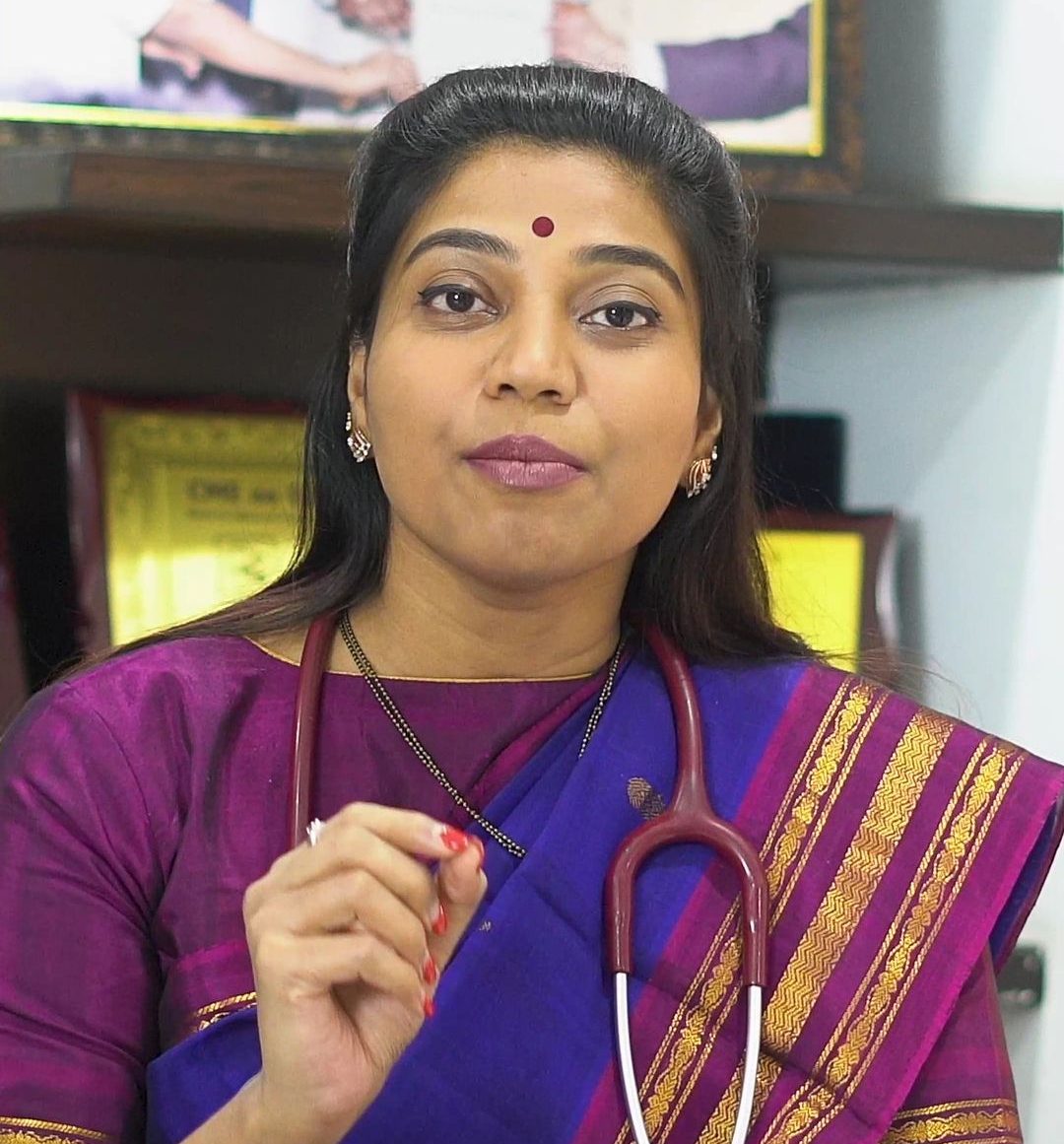
Dr. Shree Rao
MS (ENT) | Pediatric ENT & Cochlear Implant Super Specialist | Director, Dr. Rao's ENT Super Speciality International Hospital
Dr. Shree Rao is one of India’s leading cochlear implant specialists with over 12 years of experience and 200+ successful cochlear implant surgeries. She completed specialized fellowship training under Padmashri Awardee Dr. Milind V. Kirtane and has trained at Singapore General Hospital for rhinoplasty and facial plastic surgery. As Director of Asia’s largest ENT Super Speciality Hospital, she leads teams across 7 OPDs, 3 operation theaters, and specialized units with a 99.9% success rate. Dr. Shree Rao is passionate about creating a “Deaf-Free India” and partners with NGOs to provide free cochlear implant surgeries to underprivileged children.
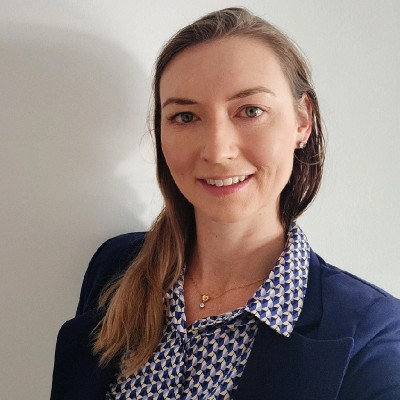
Jade Dornan
Clinical Specialist, Education & Training Manager, Asia-Pacific | Advanced Bionics
Jade Dornan is a clinical specialist and education and training manager for the Asia-Pacific region at Advanced Bionics. In this podcast, she discusses the technology behind modern cochlear implants and how innovations in hearing access, noise management, connectivity, remote programming and future research can support cochlear implant recipients.
Podcast Summary
In this insightful conversation, Dr. Shree Rao joins Jade Dornan from Advanced Bionics to discuss the latest cochlear implant technology and how it is improving hearing experiences for children, teenagers, and adults. They explore important innovations including T-Mic, wide input dynamic range, ClearVoice noise management, bilateral and bimodal hearing, Bluetooth connectivity, and current steering for music perception. The conversation also highlights remote programming technology, which can make cochlear implant care more convenient for families who face long travel and frequent clinic visits. Dr. Shree Rao and Jade also discuss the AB Listen Fit app and ongoing research into brain responses to sound, offering insights into how future technologies could support better hearing outcomes and greater confidence for cochlear implant recipients.

Need Expert Care?
If your child has hearing loss or you have questions about cochlear implants, early evaluation and hearing restoration can help you understand the available options.
Podcast Highlights
What is cochlear implant technology and how does it help people with hearing loss?
Cochlear implant technology helps people with severe to profound hearing loss access sound through an electronic hearing system. The podcast discusses how modern cochlear implants can support hearing, speech understanding and everyday communication.
What are the benefits of bilateral cochlear implants for children?
Bilateral cochlear implants provide hearing input to both ears, helping the brain process sounds from different directions. This can be especially useful for children who need to listen and understand speech in environments such as classrooms and other noisy settings.
Can cochlear implants improve speech clarity in noisy environments?
Modern cochlear implant technology includes features designed to help users distinguish speech from background noise. The podcast discusses ClearVoice technology, which automatically responds to changing noise levels and works to make speech more prominent.
Can cochlear implants connect to smartphones, laptops and other Bluetooth devices?
Yes. The podcast discusses universal Bluetooth connectivity that can allow compatible cochlear implant sound processors to connect with smartphones, laptops, tablets and other Bluetooth-enabled devices. This can support phone calls, online learning, music and gaming.
What is remote programming for cochlear implants and how does it work?
Remote programming allows certain cochlear implant support and programming to be provided remotely through a smartphone and internet connection. This can reduce the need for families to travel to a clinic for every programming appointment and make follow-up care more convenient.
Can cochlear implant technology help users hear and enjoy music more clearly?
The podcast discusses current steering technology, which can provide more detailed pitch information by creating virtual channels. This technology is designed to provide richer sound information that may help cochlear implant users experience more detail and enjoyment when listening to music.